


- Plastic Surgery Instruments
- Electrosurgical Instruments
- Surgical Instruments
- Dental Instruments
- Adenoid Curettes
- Aspirating and Irrigating Instruments
- Blepharoplasty Sets
- Breast Surgery Sets
- Chisels
- Dental Instruments
- Amalgam Pluggers Condensers, Burnishers
- Artery Forceps
- COMPSITE PLACEMENT, PLASTIC FILLING INSTRUMENTS
- ELEVATORS
- Ear Catheters and Excavators
- Ear Forceps
- Ear Hooks
- Ear Scissors and Ear Snares
- Ear Specula & Tuning Forks
- Electrosurgical Instruments
- Bipolar Artery Sealer
- Bipolar Cables
- Bipolar Electrodes
- Conization Electrodes
- Diathermy Instruments
- Electrodes (2.4 mm)
- Electrodes (4.0 mm)
- Electrosurgical Instruments for Gynecology
- ENT Diagnostic
- Conventional Laryngoscopes
- Ear Instruments
- ENT Complete Sets
- ENT Instruments
- Anastomosis Clamps
- Aortic-Aneurysm Clamps
- Carotid Clamps
- Colon Clamps
- Artery and Ligature Clamps
- Artery Forceps
- Artery Forceps and Ligature Clamps
- Bone Cutters & Rongeurs
- Curettes, Raspatories, Elevators etc.
- Blepharoplasty Scissors
- Dissecting Scissors
- Bone Curettes
- Dissectors
- Elevators
- Bone Cutting Forceps
- Bone Holding Forceps
- Bone Rongeurs
- Chisels
- Clamps
- Dissectors & Elevators
- Endoscopic Face & Forehead Lift

Scalp Suction Elevator, 24cm 7mm Wide Tip, Slightly Curved | NJ Medical Instruments
SKU:
NJM-14906-1
Original price was: $ 27.$ 22Current price is: $ 22.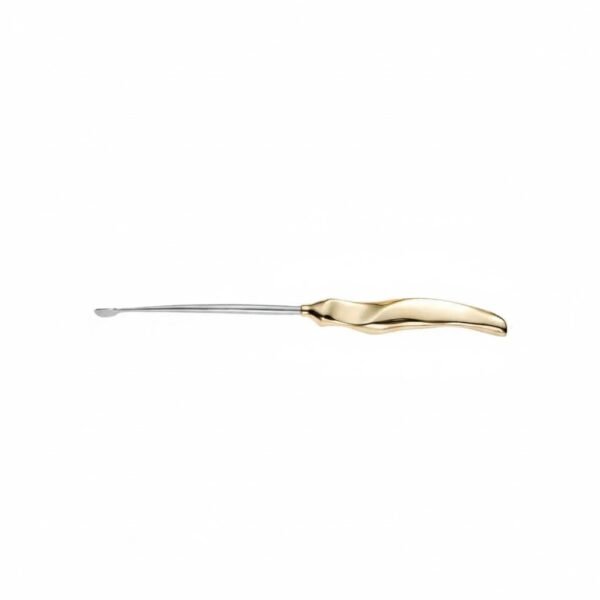
Ramirez Type Endoscopic Forehead Temporal Line “T” Dissector, 9-7/8″ 25.3 cm | NJ Medical Instruments
SKU:
NJM-14906
Original price was: $ 27.$ 21Current price is: $ 21.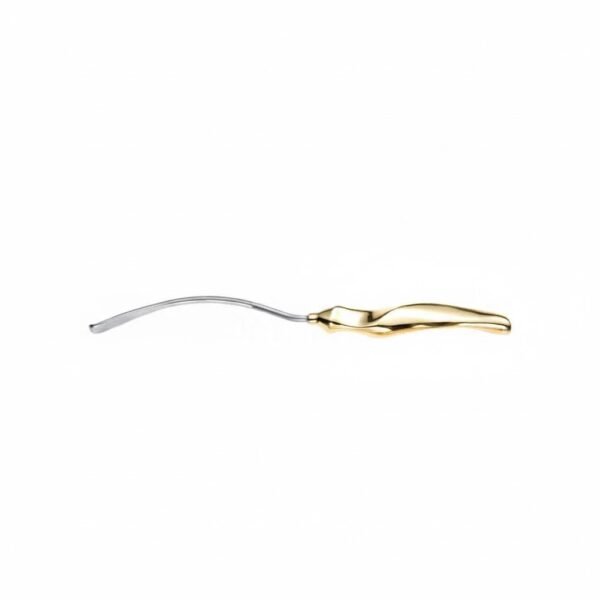
Ramirez Type Endoscopic Forehead Periosteal Spreader, 10-1/4″ 26 cm | NJ Medical Instruments
SKU:
NJM-14905
Original price was: $ 30.$ 20Current price is: $ 20.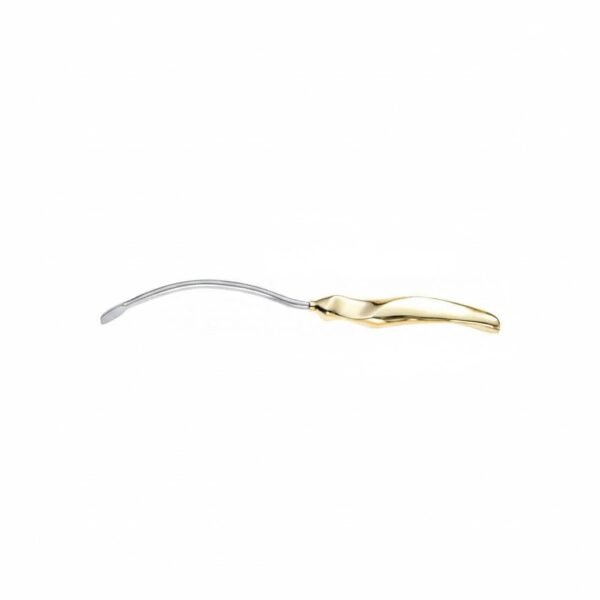
Ramirez Type Endoscopic Forehead Parietal Periosteal Elevator, 10-1/2″ 26.5 cm | NJ Medical Instruments
SKU:
NJM-14904
Original price was: $ 30.$ 20Current price is: $ 20.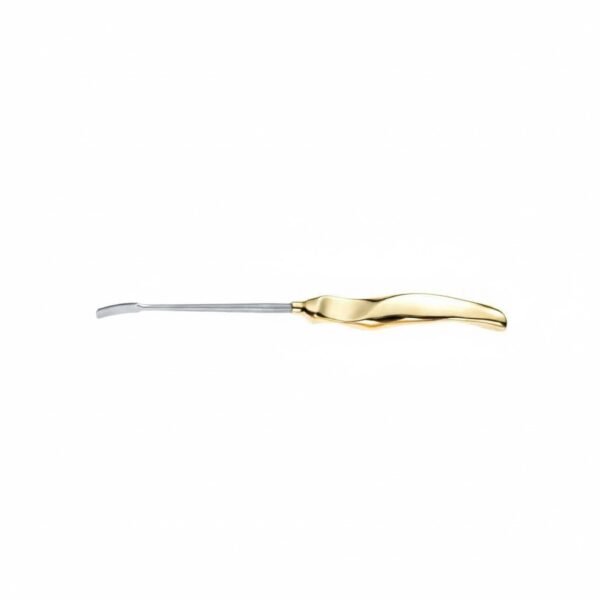
Ramirez Type Endoscopic Forehead Frontotemporal Dissector, Straight, 9-1/2 | NJ Medical Instruments” 24 cm
SKU:
NJM-14903
Original price was: $ 30.$ 20Current price is: $ 20.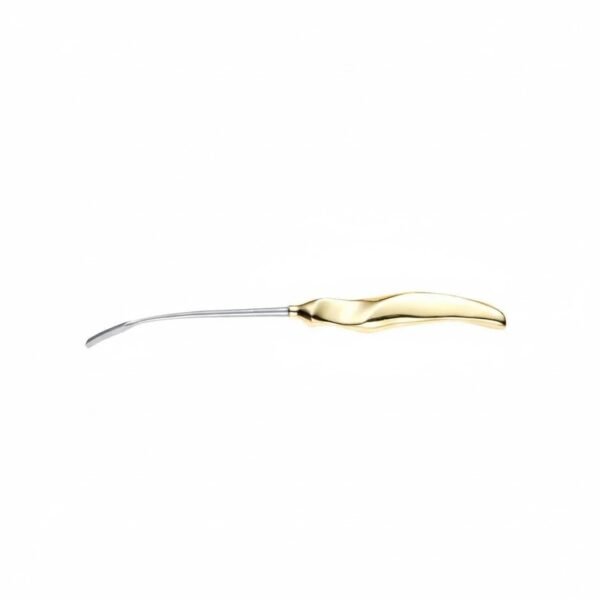
Ramirez Type Endoscopic Forehead Frontotemporal Dissector, Curved, 9-1/2″ | NJ Medical Instruments 24 cm
SKU:
NJM-14902
Original price was: $ 30.$ 20Current price is: $ 20.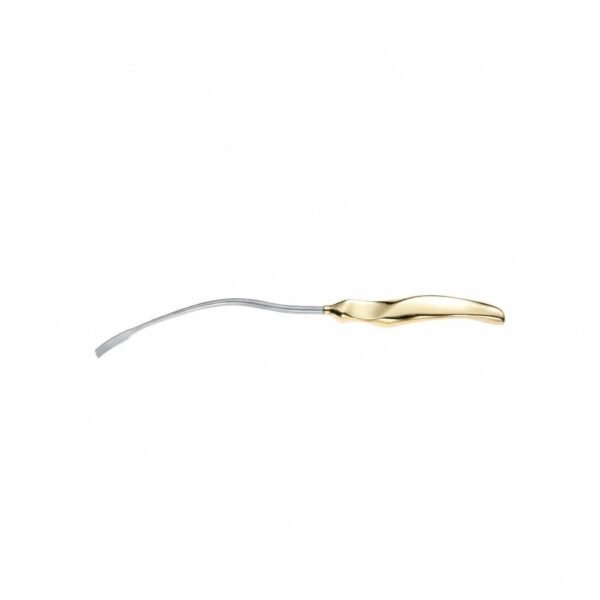
Ramirez Type Endoscopic Forehead Frontoglabellar Dissector, 11″ 28 cm | NJ Medical Instruments
SKU:
NJM-14901
Original price was: $ 30.$ 20Current price is: $ 20.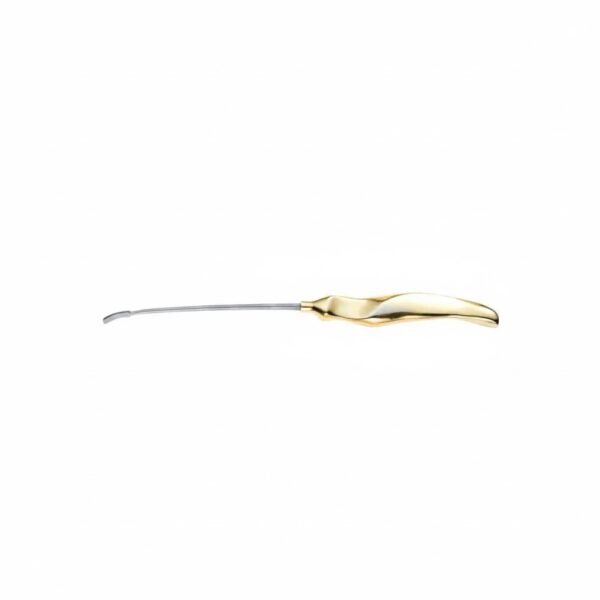
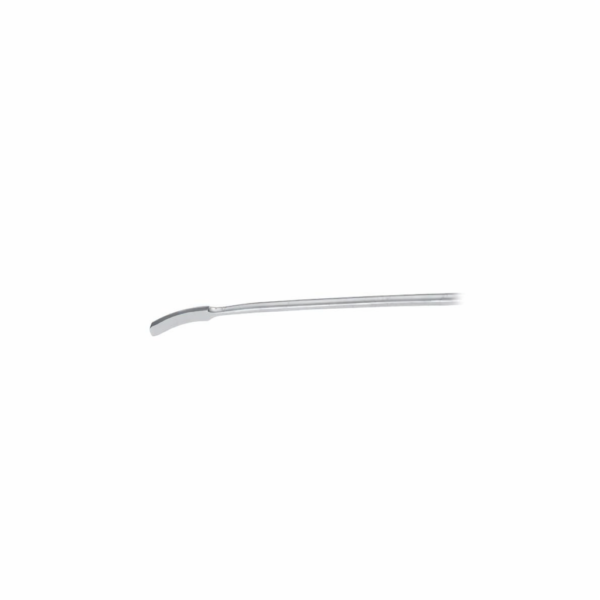
Ramirez Type Endoscopic Forehead Flap Dissector, 9-3/4″ 25 cm | NJ Medical Instruments
SKU:
NJM-14900
Original price was: $ 30.$ 20Current price is: $ 20.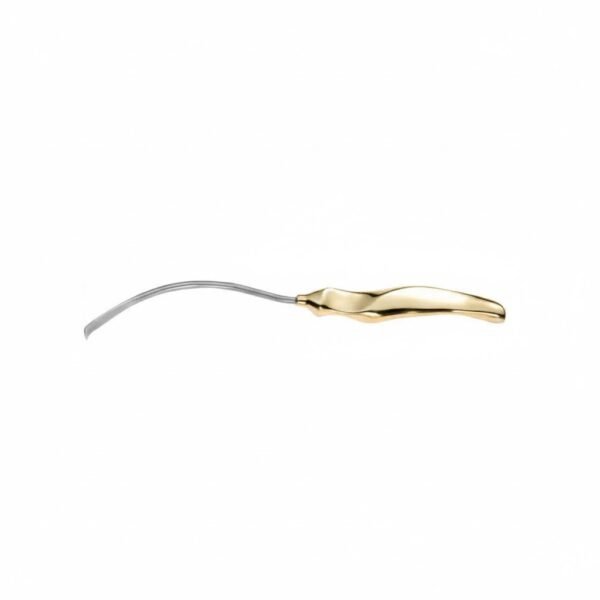
Ramirez Type Endoscopic Forehead Arcus Marginalis Dissector, 10″ 25.5 cm | NJ Medical Instruments
SKU:
NJM-14899
Original price was: $ 30.$ 20Current price is: $ 20.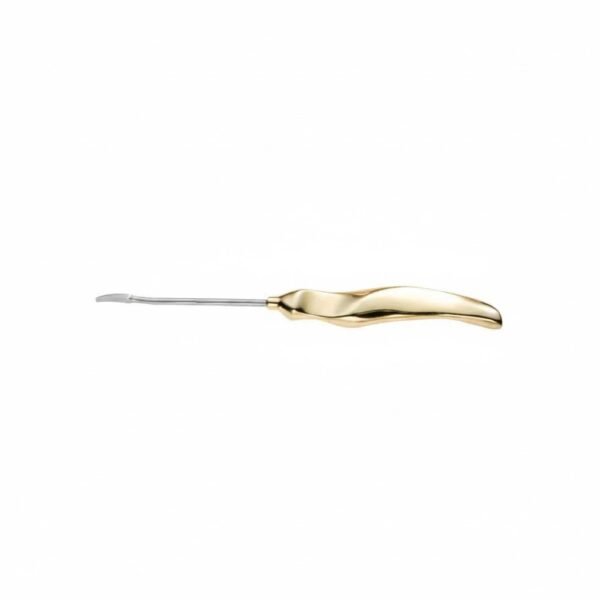
Ramirez Type Endoscopic Facelift Zygomatic Arch Elevator, 8-3/4″ 22.5 cm | NJ Medical Instruments
SKU:
NJM-14898
Original price was: $ 30.$ 20Current price is: $ 20.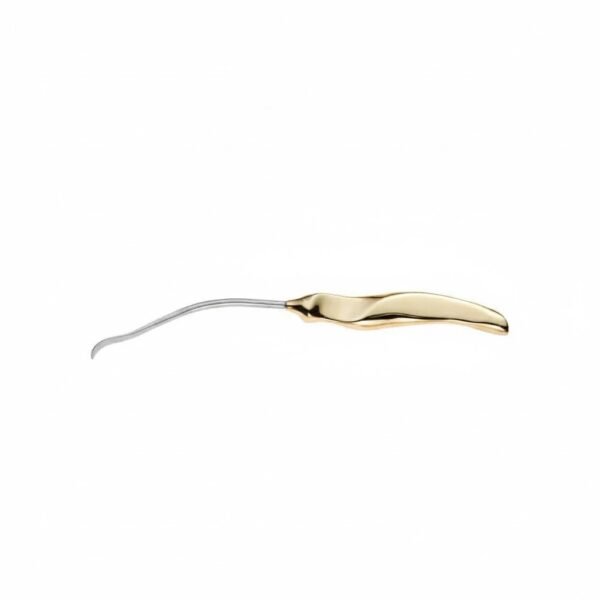
Ramirez Type Endoscopic Facelift Midface Fascia Dissector, 9-1/8″ 23 cm | NJ Medical Instruments
SKU:
NJM-14897
Original price was: $ 30.$ 20Current price is: $ 20.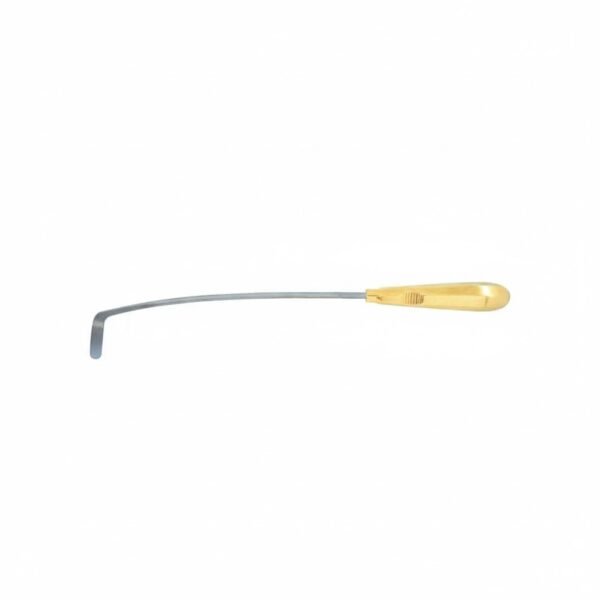
Graivier Mid-Face Dissector, Hockey Stick Shaped Dissector, 31.5cm | NJ Medical Instruments
SKU:
NJM-14896
Original price was: $ 41.$ 35Current price is: $ 35.Endoscopic Face and Forehead Lift Instruments - Dissectors, Elevators and Retractors for Sale
Endoscopic brow and forehead lifting changed the instrument requirements of this procedure category substantially from the moment it replaced open coronal approaches in mainstream practice. What was previously done with direct visualisation through a long scalp incision now happens through 1 cm incisions with a camera, and every instrument that enters the working space has to perform under those constraints. The elevator that elevates the subperiosteal plane can't be watched by direct eye - it's watched on a monitor, through the endoscope, and its working tip has to behave precisely at 20 - 25 cm from the surgeon's hand.
This changes what instrument quality means for endoscopic forehead surgery. In open surgery, a slightly flexible dissector can be compensated for by the surgeon's tactile feedback and direct view. In endoscopic surgery, that same flexibility creates movements at the tip that the monitor doesn't fully capture, and nerve structures near the temporal branch of the facial nerve and the supraorbital notch leave no room for inadvertent instrument deviation. The instruments have to be appropriately rigid, precisely shaped, and long enough to reach the operative field through the limited port access.
The instruments in this category at NJ Medical Instruments cover the complete endoscopic brow and forehead lift instrument set used in the Daniel and Ramirez technique frameworks - the two most widely referenced approaches to endoscopic forehead surgery. All are manufactured from surgical-grade stainless steel at the company's Sialkot facility, CE-certified, and autoclavable.
The Instrument Set for Endoscopic Brow and Forehead Lifting
Endoscopic forehead surgery requires four functional instrument categories working in sequence: elevation and dissection of the subgaleal and subperiosteal planes, retraction to maintain access, nerve protection during dissection around the orbital rim and temporal area, and cutting capability for periosteal release. All five instruments below address one or more of those functions.
Daniel Endoscopic Forehead Elevator - 9-1/4" (23.5 cm)
Periosteal elevation across the forehead is the first major step after port entry. The elevator has to separate the periosteum from the frontal and orbital rim bone in a controlled, even layer without tearing - tears in the periosteum complicate subsequent suspension and fixation. The instrument length needs to reach the supraorbital rim from the hairline port without requiring the surgeon to insert their hand past the portal.
The Daniel Endoscopic Forehead Elevator 9-1/4" (23.5 cm) is sized for exactly this reach from the standard hairline port positions. The blade geometry follows the Daniel technique for subperiosteal elevation of the forehead. CE-certified, autoclavable.
Daniel Endoscopic Forehead Hook Scissors - Straight, Curved Blade, 6" (15 cm)
Periosteal release at the orbital rim - particularly releasing the arcus marginalis and the lateral orbital thickening - is the step that allows the brow to move superiorly after elevation. Releasing this periosteum with scissors through the endoscope requires a hook scissors that can engage the tissue under camera guidance and cut cleanly without tearing adjacent structures.
The Daniel Endoscopic Forehead Hook Scissors - Straight, Curved Blade, 6" (15 cm) is designed for this periosteal release step. The curved blade allows the scissors to hook the periosteum from below and cut upward, which suits the approach geometry from the port entry point. CE-certified, autoclavable.
Daniel Endoscopic Forehead Nerve Dissector - Half Curved, 9-1/4" (23.5 cm)
The supraorbital and supratrochlear nerves exit through foramina in the supraorbital rim and run superiorly in the subgaleal and subcutaneous planes. Dissection near these structures requires an instrument that separates tissue without applying traction or compression to the nerve trunk. The half-curved configuration of the Daniel Endoscopic Forehead Nerve Dissector 9-1/4" (23.5 cm) allows the working tip to approach these nerves from an angle that reduces inadvertent contact during supraorbital dissection. CE-certified, autoclavable.
Daniel Endoscopic Forehead Nerve Retractor - Curved Right, 17 cm
Once a nerve is identified, holding it out of the dissection field without applying sustained traction requires a dedicated retractor. The Daniel Endoscopic Forehead Nerve Retractor - Curved Right, 17 cm is configured for right-side nerve protection specifically, with a tip curve that holds the supraorbital nerve bundle laterally while dissection proceeds medially. CE-certified, autoclavable.
Ramirez Type Endoscopic Forehead Frontotemporal Dissector - Straight, 9-1/2" (24 cm)
Ramirez's frontotemporal dissection approach accesses the temporal branch region and the deep temporal fascia plane through a different port position and dissection sequence than the Daniel technique. The Ramirez Type Endoscopic Forehead Frontotemporal Dissector Straight 9-1/2" (24 cm) is the dedicated instrument for this plane. The straight configuration and 24 cm length suit the lateral temporal port approach. For surgeons practising the Ramirez technique, this instrument is not substitutable with the Daniel elevator - the dissection planes and approach vectors are different. CE-certified, autoclavable.
Ordering and Supply
NJ Medical Instruments ships endoscopic forehead and face lift instruments worldwide with ISO and CE certification. Bulk pricing is available for plastic surgery units and distributors. Contact info@njmedicalinstruments.com or WhatsApp +92-333-8733922 for wholesale enquiries.