



Ball Electrode (2.0 mm) | NJ Medical Instruments
SKU:
NJM-1362
Original price was: $ 30.$ 20Current price is: $ 20.
Ball Electrode (3.0 mm) Disposable | NJ Medical Instruments
SKU:
NJM-1365
Original price was: $ 30.$ 20Current price is: $ 20.
Ball Electrode (4.0 mm) Disposable | NJ Medical Instruments
SKU:
NJM-1355
Original price was: $ 30.$ 20Current price is: $ 20.
Ball Electrode (5.0 mm) | NJ Medical Instruments
SKU:
NJM-1363
Original price was: $ 30.$ 20Current price is: $ 20.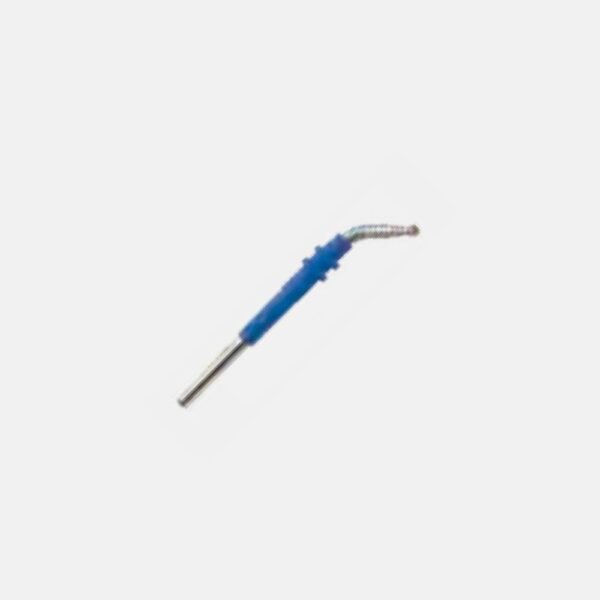
Ball Electrode (crv.) (2.0 mm) | NJ Medical Instruments
SKU:
NJM-1349
Original price was: $ 30.$ 20Current price is: $ 20.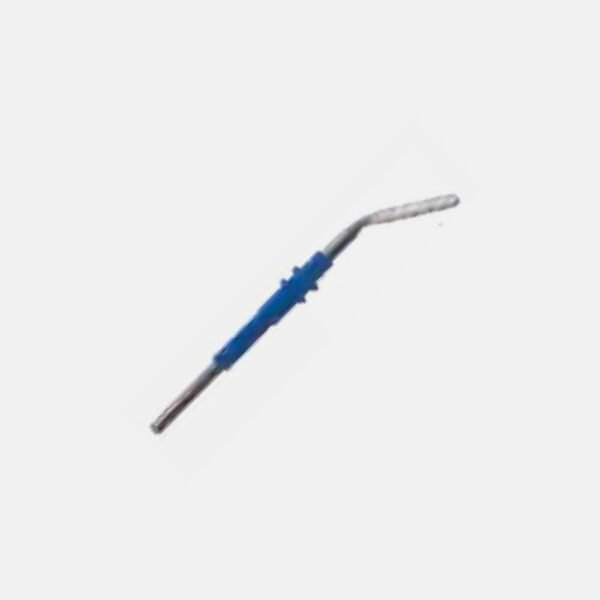
Ball Electrode(crv.) (3.0 mm) Disposable | Electrodes 2.4mm | NJ Medical Instruments
Original price was: $ 30.$ 20Current price is: $ 20.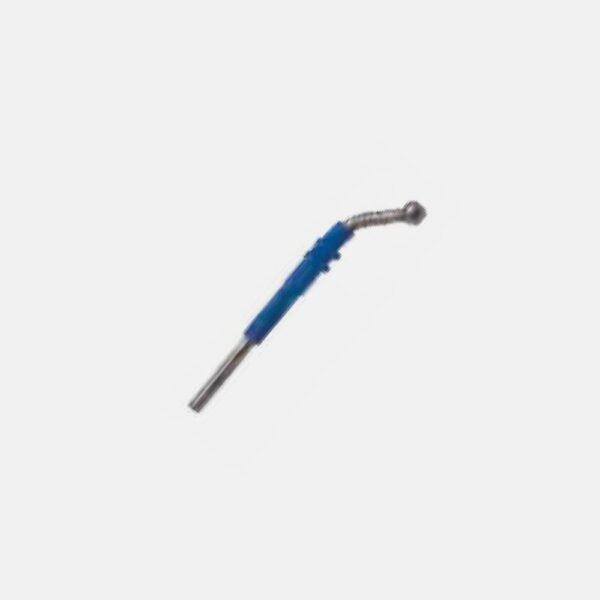
Ball Electrode(crv.) (4.0 mm) | NJ Medical Instruments
SKU:
NJM-1358
Original price was: $ 30.$ 20Current price is: $ 20.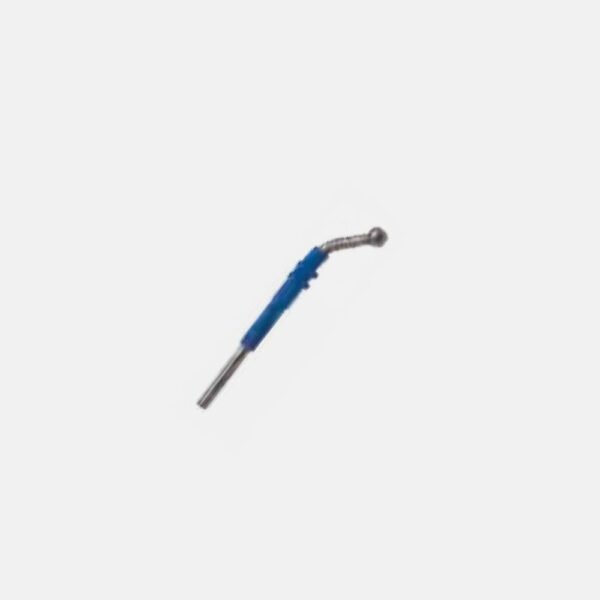
Ball Electrode(crv.) (4.0 mm) | NJ Medical Instruments
SKU:
NJM-1361
Original price was: $ 30.$ 20Current price is: $ 20.
Ball Electrode(crv.) (5.0 mm) | NJ Medical Instruments
SKU:
NJM-1350
Original price was: $ 30.$ 20Current price is: $ 20.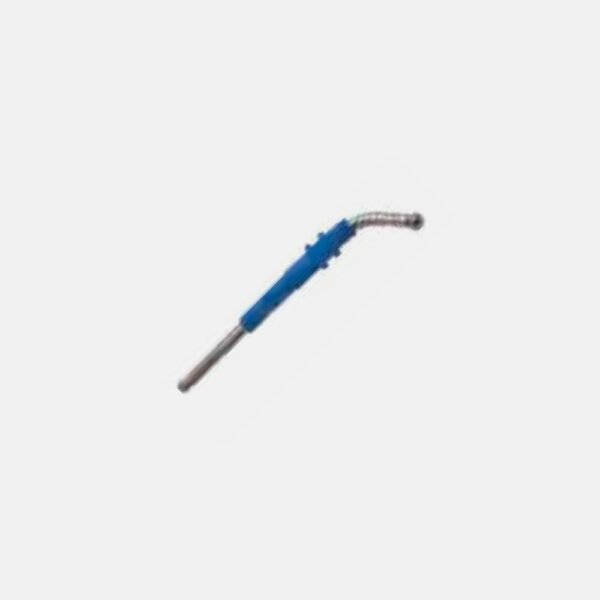
Blade Electrode (crv.) Disposable | Electrodes 2.4mm | NJ Medical Instruments
Original price was: $ 19.$ 13Current price is: $ 13.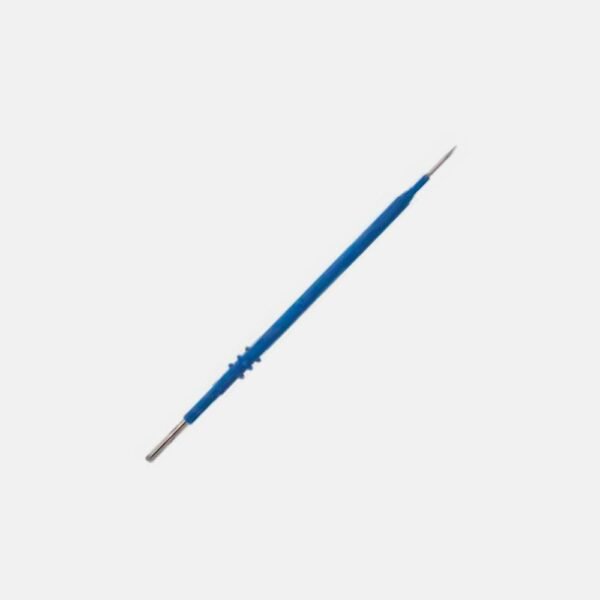
Blade electrode (Shaft 13 .0 cm ) | NJ Medical Instruments
SKU:
NJM-1347
Original price was: $ 30.$ 20Current price is: $ 20.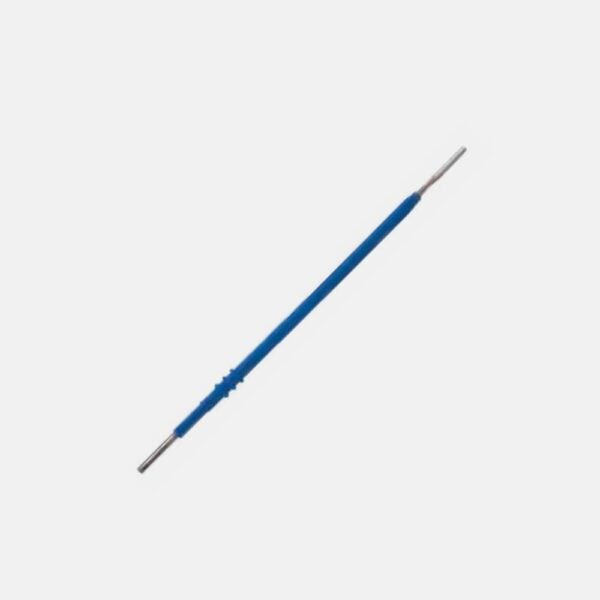
Blade electrode (Shaft 13 .0 cm) | NJ Medical Instruments
SKU:
NJM-1352
Original price was: $ 30.$ 20Current price is: $ 20.2.4 mm Electrosurgical Electrodes for Sale - Disposable and Reusable Ball and Blade Electrodes
Electrode tip selection is one of those decisions that happens quickly in the OR and is easy to get wrong when a unit stocks only the most common sizes. The 2.4 mm connector standard - the smaller of the two shaft pin formats used in monopolar electrosurgery - fits a specific range of electrode handles and diathermy pencil systems. Mixing 2.4 mm and 4.0 mm electrodes without checking the handle compatibility is a common procurement error that results in electrodes that don't seat properly and make unreliable electrical contact, which in turn causes inconsistent generator output that can be misattributed to the generator itself.
The electrodes in this category at NJ Medical Instruments use the 2.4 mm connector format and cover the main tip geometries and materials used in standard monopolar electrosurgical practice - ball tips for surface coagulation in both disposable and reusable formats, and blade tips for combined cutting and coagulation work. All are CE-certified and manufactured at the company's Sialkot facility.
Disposable vs Reusable Electrodes - Practical Considerations
The reusable vs disposable question for individual electrodes is genuinely more nuanced than it is for larger instruments like forceps or retractors.
Reusable electrodes are made from harder steel to withstand repeated autoclave cycles without deforming or losing their insulation integrity. They represent lower per-use cost over a sufficient number of sterilisation cycles. The trade-off is that surface condition degrades over time - tip geometry rounds off, insulation thins, and at some point the electrode needs replacing. Tracking when that point has been reached requires visual inspection and some discipline in the reprocessing workflow.
Disposable electrodes arrive sterile, perform at the original specification on every use, and eliminate the reprocessing decision entirely. For high-volume units running many procedures per day with rapid turnover between cases, disposable electrodes remove one variable from the workflow. They also make sense in infection control contexts where reprocessing of any kind is being minimised.
Both formats have their place, and many surgical units stock both - reusable for standard cases and disposables as backup or for specific high-risk-of-contamination cases.
Tip Geometries - Ball vs Blade
Ball Tips - Area Coagulation
Ball-tipped electrodes distribute current across the curved surface of the ball, which reduces current density compared to a needle or blade tip at the same power setting. The clinical result is broader, gentler coagulation suited for surface haemostasis, diffuse ooze, and raw wound surface management. Ball tips are not cutting instruments - they don't make clean incisions because the current density at any point on the surface is insufficient for the rapid tissue vaporisation that produces a clean cut. They do handle surface coagulation efficiently and with less risk of inadvertent deep tissue penetration than needle tips.
Ball size affects coagulation area: a 3.0 mm ball covers less surface per activation than a 4.0 mm ball at the same setting, and produces higher local current density. For precision spot coagulation, smaller is better. For broader surface coverage, larger is more efficient.
Blade Tips - Cutting and Coagulation Combined
Blade electrodes have a flat or slightly curved working edge rather than a spherical tip. This geometry supports both cutting and coagulation in the same instrument - the blade edge concentrates current along its length for incision, while the flat surface can be used for coagulation with the electrode held flat against tissue. Curved blade electrodes allow this function in anatomical locations where a straight blade would require awkward wrist positioning to maintain the correct angle of application.
Featured 2.4 mm Electrodes at NJ Medical Instruments
Ball Electrode 3.0 mm Disposable
The Ball Electrode 3.0 mm Disposable is a single-use ball electrode with a 3.0 mm tip on the 2.4 mm connector shaft. Sterile packaged, CE-certified. The 3.0 mm size covers the standard range of surface coagulation tasks in general surgical practice - wound bed haemostasis, skin lesion treatment, and smaller raw surface areas where a 4.0 or 5.0 mm ball would be oversized for the intended field.
Ball Electrode Curved 4.0 mm
The Ball Electrode Curved 4.0 mm combines a larger 4.0 mm ball tip with a curved shaft configuration - the larger tip for broader surface coverage, the curved shaft for angled approach access. CE-certified. The 2.4 mm connector shaft makes this instrument compatible with the same handle format as the other instruments in this category, giving surgical units a larger-ball curved option in the same handle system.
Blade Electrode Curved Disposable
The Blade Electrode Curved Disposable is a single-use curved blade tip in the 2.4 mm connector format - the cutting and coagulation capability of the blade geometry with the access advantage of the curved shaft, supplied sterile for single-case use. CE-certified. For general surgical units that need a disposable cutting electrode option in the 2.4 mm format alongside the ball tip range, this fills the gap without requiring a different handle system.
Ordering and Supply
NJ Medical Instruments ships electrosurgical electrodes worldwide, with bulk pricing available for hospitals, surgical units, and distributors. Contact info@njmedicalinstruments.com for wholesale enquiries.