


- Plastic Surgery Instruments
- Electrosurgical Instruments
- Surgical Instruments
- Dental Instruments
- Adenoid Curettes
- Aspirating and Irrigating Instruments
- Blepharoplasty Sets
- Breast Surgery Sets
- Chisels
- Dental Instruments
- Amalgam Pluggers Condensers, Burnishers
- Artery Forceps
- COMPSITE PLACEMENT, PLASTIC FILLING INSTRUMENTS
- ELEVATORS
- Ear Catheters and Excavators
- Ear Forceps
- Ear Hooks
- Ear Scissors and Ear Snares
- Ear Specula & Tuning Forks
- Electrosurgical Instruments
- Bipolar Artery Sealer
- Bipolar Cables
- Bipolar Electrodes
- Conization Electrodes
- Diathermy Instruments
- Electrodes (2.4 mm)
- Electrodes (4.0 mm)
- Electrosurgical Instruments for Gynecology
- ENT Diagnostic
- Conventional Laryngoscopes
- Ear Instruments
- ENT Complete Sets
- ENT Instruments
- Anastomosis Clamps
- Aortic-Aneurysm Clamps
- Carotid Clamps
- Colon Clamps
- Artery and Ligature Clamps
- Artery Forceps
- Artery Forceps and Ligature Clamps
- Bone Cutters & Rongeurs
- Curettes, Raspatories, Elevators etc.
- Blepharoplasty Scissors
- Dissecting Scissors
- Bone Curettes
- Dissectors
- Elevators
- Bone Cutting Forceps
- Bone Holding Forceps
- Bone Rongeurs
- Chisels
- Clamps
- Dissectors & Elevators
- Endoscopic Face & Forehead Lift
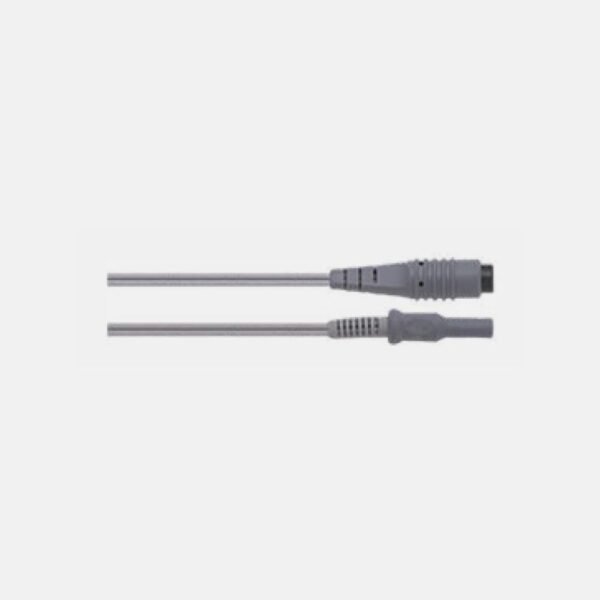
Silicone Bipolar Cables 10″ (3.0m) | NJ Medical Instruments
SKU:
NJM-1310
Original price was: $ 39.$ 32Current price is: $ 32.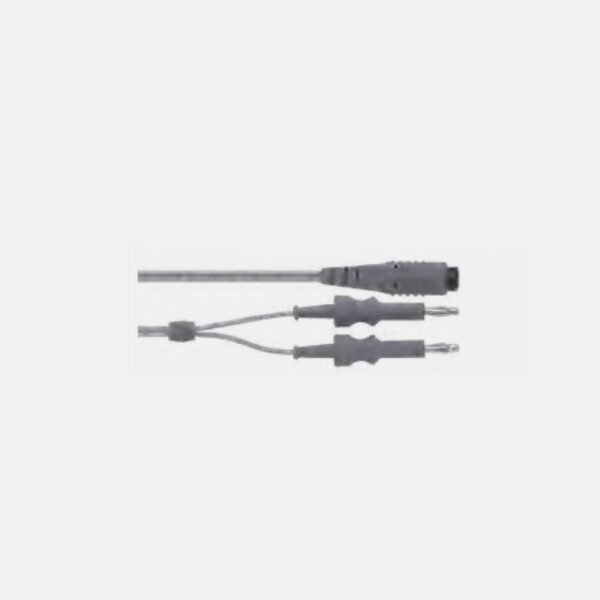
Silicone Bipolar Cables 10″ (3.0m) | NJ Medical Instruments
SKU:
NJM-1311
Original price was: $ 39.$ 32Current price is: $ 32.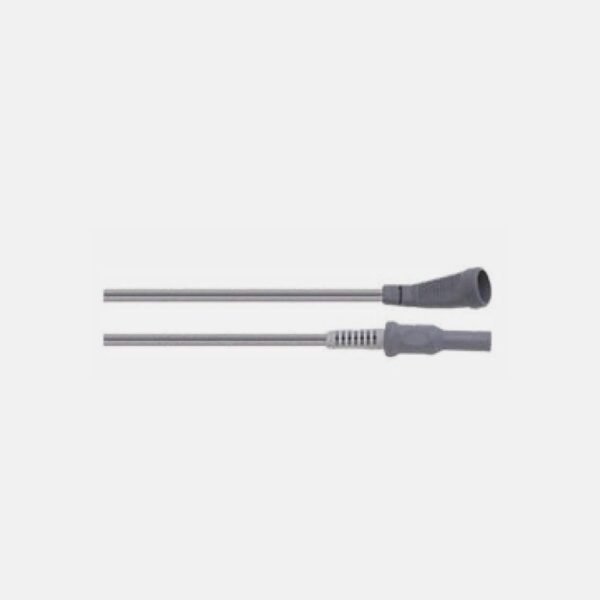
Silicone Bipolar Cables 10″ (3.0m) | NJ Medical Instruments
SKU:
NJM-1312
Original price was: $ 39.$ 32Current price is: $ 32.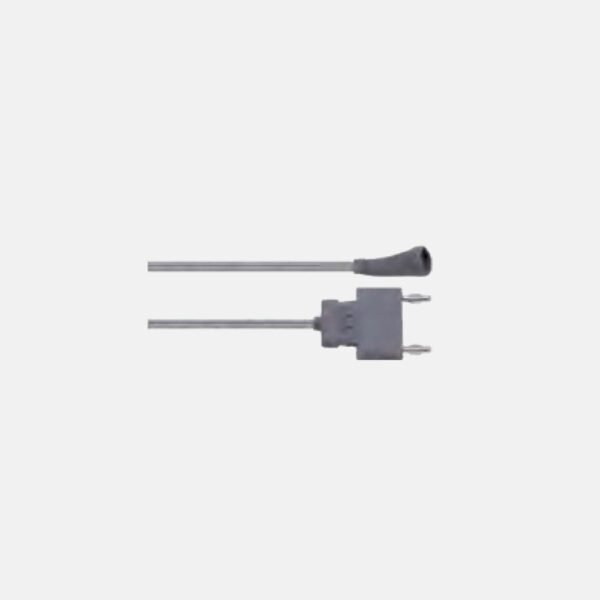
Silicone Bipolar Cables 10″ (3.0m) | NJ Medical Instruments
SKU:
NJM-1307
Original price was: $ 38.$ 32Current price is: $ 32.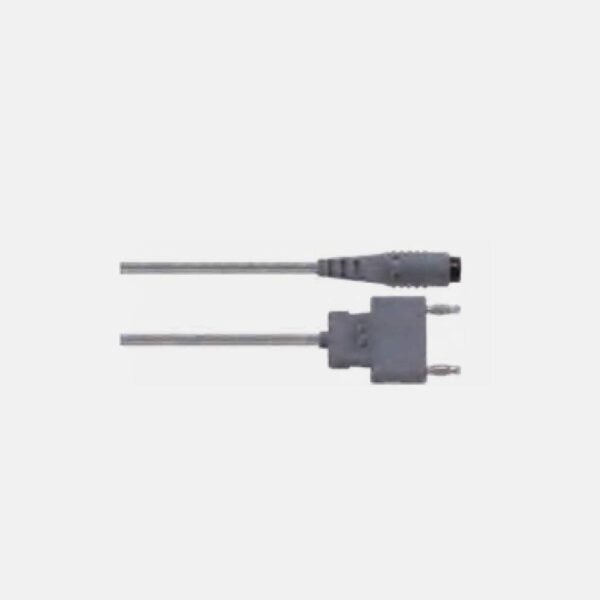
Silicone Bipolar Cables 10″ (3.0m) | NJ Medical Instruments
SKU:
NJM-1308
Original price was: $ 39.$ 32Current price is: $ 32.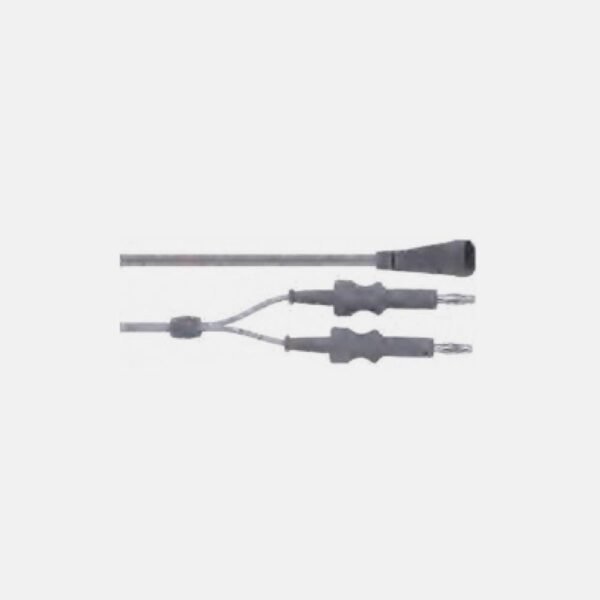
Silicone Bipolar Cables 10” (3.0m) | NJ Medical Instruments
SKU:
NJM-1309
Original price was: $ 39.$ 32Current price is: $ 32.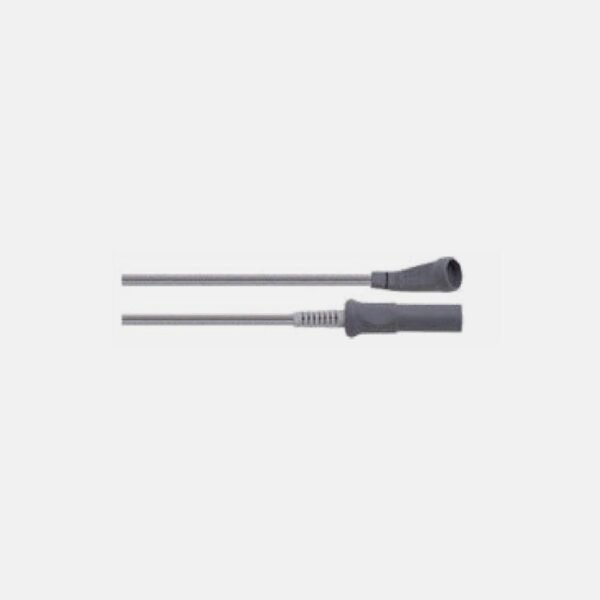
Silicone Bipolar Cables 10” (3.0m) | NJ Medical Instruments
SKU:
NJM-1306
Original price was: $ 37.$ 31Current price is: $ 31.Bipolar Cables for Sale - Silicone Surgical Cables for Bipolar Forceps and Generators
The bipolar cable is the electrical link between the bipolar forceps and the generator, and it is one of those consumable components that tends to get replaced only after it fails. That reactive approach to cable management carries real risks: intermittent conductivity from a partially broken internal wire causes unpredictable energy delivery, and a cracked or degraded insulation jacket on a bipolar cable creates the same current-path safety concerns as any other degraded electrosurgical conductor. Bipolar current may confine its path between the two forceps jaws during normal operation, but a cable with compromised insulation can create unintended current paths that defeat that containment.
The silicone bipolar cables in this category at NJ Medical Instruments are 3.0 m working length, silicone-jacketed, and available in multiple connector variants for different generator and forceps connector formats. All are CE-certified and manufactured at the company's Sialkot facility.
Why Bipolar Cable Quality Affects Clinical Performance
The bipolar cable carries two conductors - one for each jaw of the bipolar forceps - through a single cable body. Both conductors have to maintain consistent electrical resistance throughout their length, and the insulation between them and between each conductor and the external environment has to remain intact through repeated autoclave cycles and the mechanical stress of being coiled, uncoiled, draped over instrument tables, and caught under wheels and trolleys.
Silicone vs PVC Jackets
The jacket material has a real impact on how the cable performs over its service life. PVC cables are the cheaper option and adequate for limited cycles, but they harden after repeated autoclave sterilisation, develop stress fractures at bend points, and hold their coiled shape after storage - which means the cable lies in a tight coil on the sterile field rather than draping naturally, and the coiled bends stress the internal conductors at predictable points.
Silicone cable jackets behave differently. Silicone remains flexible across wide temperature ranges, tolerates autoclave sterilisation without progressive hardening, and returns to a neutral configuration after storage rather than holding a coil. This is not a minor comfort feature - flexible cables drape more predictably on the sterile field, put less mechanical stress on the connector ends during use, and create fewer sharp bends in the internal conductors that lead to wire fatigue failures.
Connector Configuration and Generator Compatibility
Bipolar cables connect at both ends: the forceps end, where the connector interfaces with the instrument, and the generator end, where the plug inserts into the bipolar generator socket. The forceps end varies based on whether the instruments use European 4 mm banana plug connectors, USA 2-pin connectors, or other proprietary formats. The generator end varies by generator manufacturer and model.
This is where having multiple cable variants matters. A cable with the correct forceps connector but the wrong generator plug - or vice versa - is non-functional, and adaptors that bridge two incompatible connector types introduce additional resistance and potential failure points that are better avoided. Selecting the correct cable variant for the specific forceps and generator combination in use is worth confirming at procurement rather than discovering the incompatibility in the OR.
Featured Bipolar Cables at NJ Medical Instruments
Silicone Bipolar Cable 3.0 m - Variant 2
The Silicone Bipolar Cable 3.0 m (Variant 2) is a 3.0 m silicone-jacketed bipolar cable in a specific connector configuration. The 3.0 m length gives standard working distance between the sterile field and the generator position. CE-certified, autoclavable. The connector format on this variant suits specific generator and forceps combinations - check the product page for the specific pin configuration before ordering.
Silicone Bipolar Cable 3.0 m - Variant 5
The Silicone Bipolar Cable 3.0 m (Variant 5) covers a different connector configuration in the same 3.0 m silicone cable format. For surgical units that run multiple generator types or different bipolar forceps series, this variant extends the range of compatible setups. CE-certified, silicone jacket, standard 3.0 m working length.
Silicone Bipolar Cable 3.0 m - Variant 6
The Silicone Bipolar Cable 3.0 m (Variant 6) is a third connector configuration - again in the same silicone, 3.0 m, CE-certified format. Having access to the full range of connector variants from a single supplier simplifies stock management for procurement teams that supply multiple ORs with different bipolar generator systems.
Ordering and Compatibility
When ordering bipolar cables, confirming the connector format at both the forceps end and the generator end is essential. NJ Medical Instruments ships worldwide, with bulk pricing available for hospitals, surgical suites, and distributors. Contact info@njmedicalinstruments.com to confirm connector compatibility with your specific equipment or for wholesale enquiries.