




Double Ended Burnishers Fig. 27 | NJ Medical Instruments
SKU:
NJM-26023
Original price was: $ 30.$ 20Current price is: $ 20.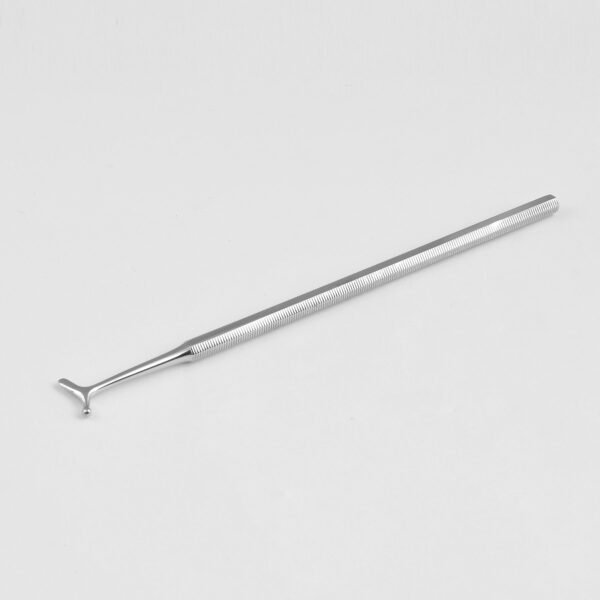
Burnishers Fig. 33 | NJ Medical Instruments
SKU:
NJM-26022
Original price was: $ 30.$ 20Current price is: $ 20.
Burnishers Fig. 31 | NJ Medical Instruments
SKU:
NJM-26021
Original price was: $ 30.$ 20Current price is: $ 20.
Burnishers Fig. 29 | NJ Medical Instruments
SKU:
NJM-26020
Original price was: $ 30.$ 20Current price is: $ 20.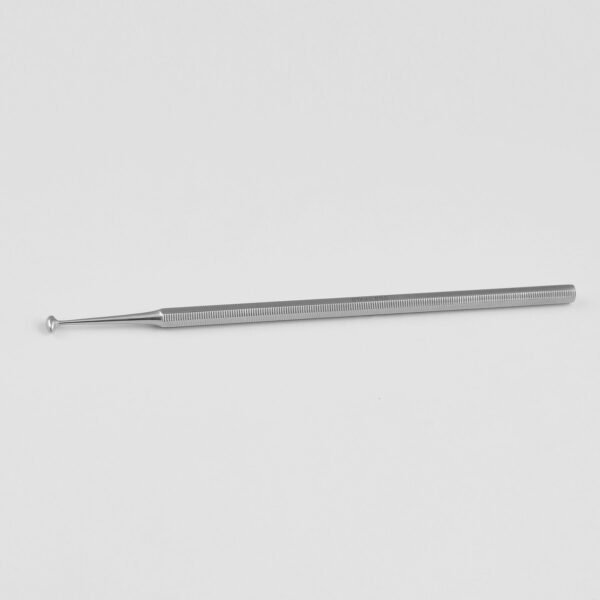
Burnishers Fig. 28 | NJ Medical Instruments
SKU:
NJM-26019
Original price was: $ 30.$ 20Current price is: $ 20.
Burnishers Fig. 25 | NJ Medical Instruments
SKU:
NJM-26018
Original price was: $ 30.$ 20Current price is: $ 20.Amalgam Pluggers, Condensers and Burnishers - Professional Dental Instruments for Sale
Amalgam restorations are not complicated procedures, but the instruments behind them matter more than the technique gets credit for. A condenser that doesn't seat properly leaves voids in the restoration. A burnisher with a worn or poorly finished working tip creates surface irregularities that catch plaque, stain faster, and often need replacement years sooner than they should. The tools are not glamorous, but their quality has a direct line to the longevity of every amalgam filling placed with them.
This category at NJ Medical Instruments covers the full set of amalgam instruments - pluggers, condensers, and burnishers - manufactured from surgical-grade stainless steel at the company's Sialkot facility. All instruments are CE-certified, fully autoclavable, and currently available at 33% off standard pricing.
What These Instruments Do and Why the Figure Number Matters
Dental burnishers, condensers, and pluggers are distinct tools with distinct jobs, even though they're often grouped together and sometimes confused.
Condensers and Pluggers
These pack freshly placed amalgam into the cavity preparation. The working end is flat or slightly rounded - the point is to compress the material in increments, working from the deepest part of the preparation outward. Condensers are typically smaller diameter for initial packing and available in larger sizes for final bulk condensation. The difference between a well-condensed amalgam and a poorly condensed one is measurable in marginal integrity and resistance to fracture over time. Too light, and the restoration is porous. Too heavy without proper instrumentation, and you risk pushing material beyond the cavity walls.
Burnishers and Their Working Tip Geometry
Burnishers come after condensation. Their job is to smooth the surface of the placed amalgam before it fully sets, closing marginal gaps, adapting the material tightly to the cavity walls, and producing a surface that resists corrosion and staining. The figure number on a burnisher refers to the shape and angulation of its working tip - and this is where specificity matters.
A ball burnisher (like Fig. 29) works well on occlusal surfaces and in pits and fissures, where its rounded tip adapts to contoured anatomy without dragging material out of place. A beaver-tail or flat-faced burnisher covers broader surface areas more efficiently and is better suited to proximal surfaces and marginal ridge work. An anatomical or T-bar variant handles interproximal contact areas. Most clinicians keep at least two or three tip geometries in regular rotation because a single burnisher shape cannot cover every surface efficiently.
Burnishers Available in This Category
Burnishers Fig. 25
The Burnishers Fig. 25 has a working tip geometry suited for flat and slightly convex surfaces, making it a practical choice for occlusal burnishing after bulk condensation. Forged surgical-grade steel, balanced handle weight, autoclavable. Currently 33% off.
Burnishers Fig. 29
The Burnishers Fig. 29 is a double-ended instrument with a working tip configuration that handles both marginal and occlusal surface work - the kind of versatility that makes it a logical first choice when restocking a tray. The steel finish on the working ends is smooth enough not to drag material during burnishing. Also 33% off current pricing.
Burnishers Fig. 31
The Burnishers Fig. 31 completes the range with a tip geometry angled for proximal surface adaptation - the area where marginal leakage most often originates if burnishing is rushed or done with an unsuitable tip shape. For clinicians who do high volumes of Class II amalgam restorations, this is the burnisher that gets used most. Available at 33% off.
Material and Build Quality
All instruments in this category are manufactured from corrosion-resistant stainless steel with a smooth machined finish on the handle and a polished working tip. The handle diameter and weight balance are consistent across the range, which matters when you're switching between instruments mid-procedure. Autoclave compatibility is not a question - these are reusable instruments built for the sterilisation cycle.
NJ Medical Instruments has been manufacturing and supplying surgical and dental instruments since 1990, with ISO and CE certification across the product range. Individual instruments ship worldwide, and bulk pricing is available for practices, dental schools, and distributors. For wholesale enquiries, contact info@njmedicalinstruments.com.