



Artery Forceps

Adson Artery Forceps | NJ Medical Instruments
SKU:
NJM-26008
Original price was: $ 30.$ 20Current price is: $ 20.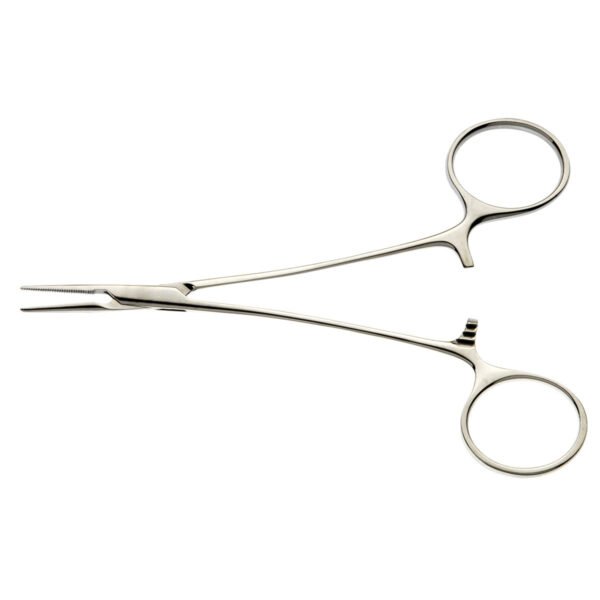
Artery Forceps Fine Tip | NJ Medical Instruments
SKU:
NJM-26009
Original price was: $ 30.$ 20Current price is: $ 20.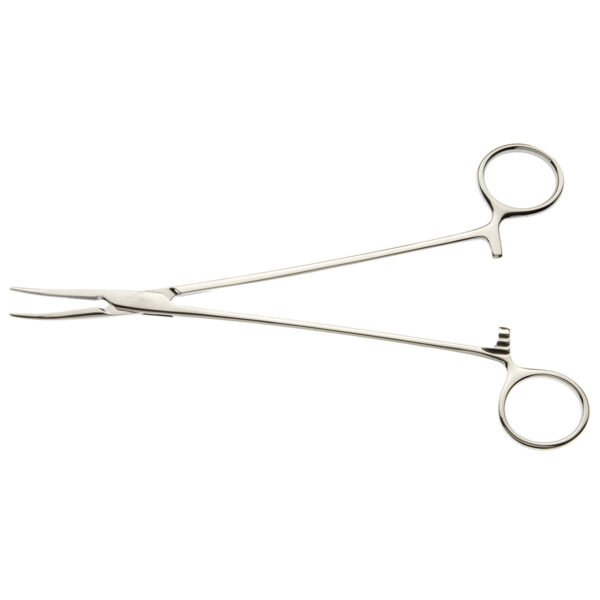
Bengolea Artery Forceps | NJ Medical Instruments
SKU:
NJM-26015
Original price was: $ 30.$ 20Current price is: $ 20.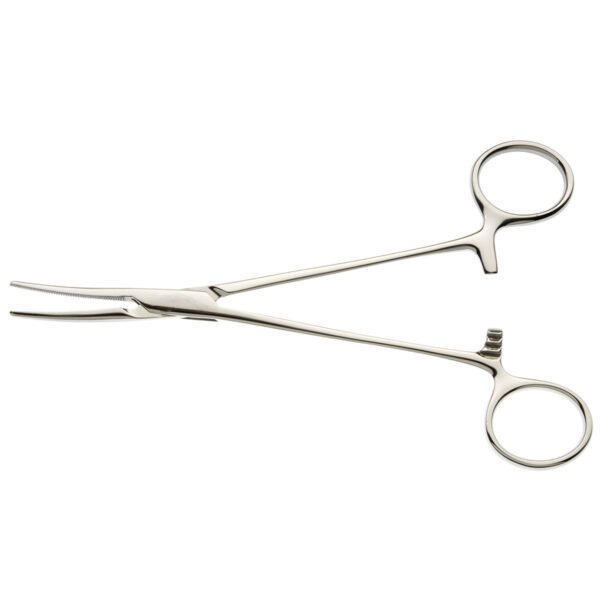
Christophe-Artery Forceps | NJ Medical Instruments
SKU:
NJM-26440
Original price was: $ 30.$ 20Current price is: $ 20.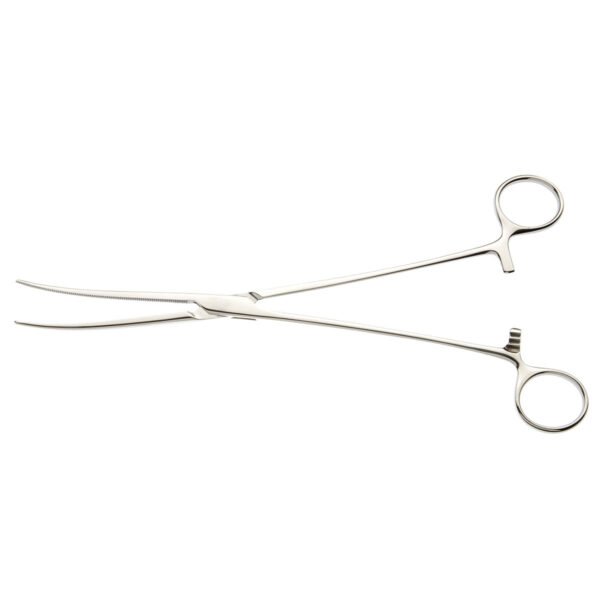
Crafoord NJ Medical Instruments Artery Forceps
Original price was: $ 30.$ 20Current price is: $ 20.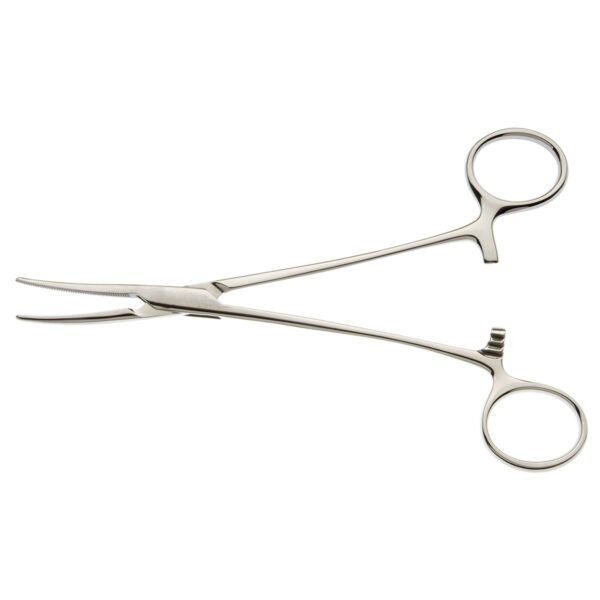
Crile Artery Forceps
Original price was: $ 30.$ 20Current price is: $ 20.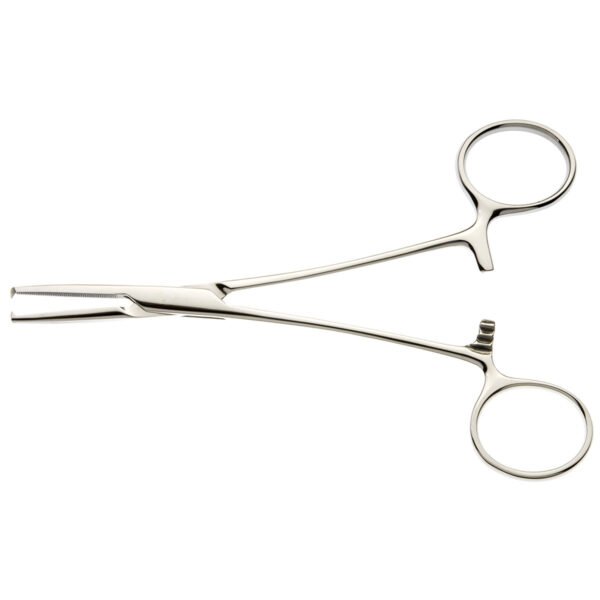
Crile Artery Forceps With Teeth | NJ Medical Instruments
Original price was: $ 30.$ 20Current price is: $ 20.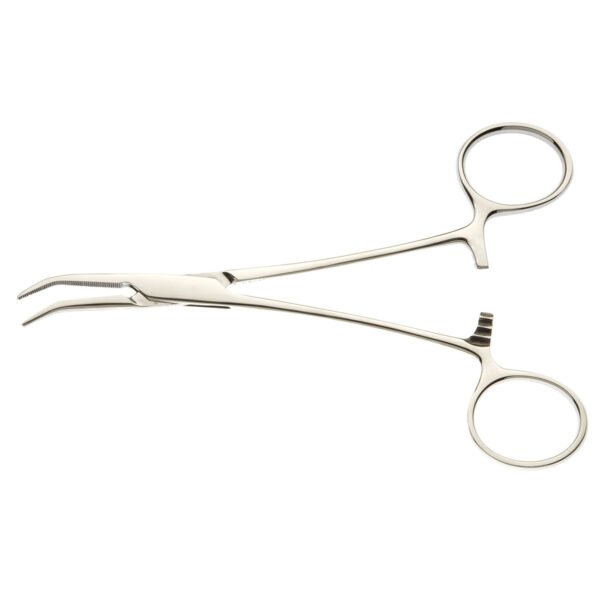
Dandy Artery Forceps | NJ Medical Instruments
SKU:
NJM-26453
Original price was: $ 30.$ 20Current price is: $ 20.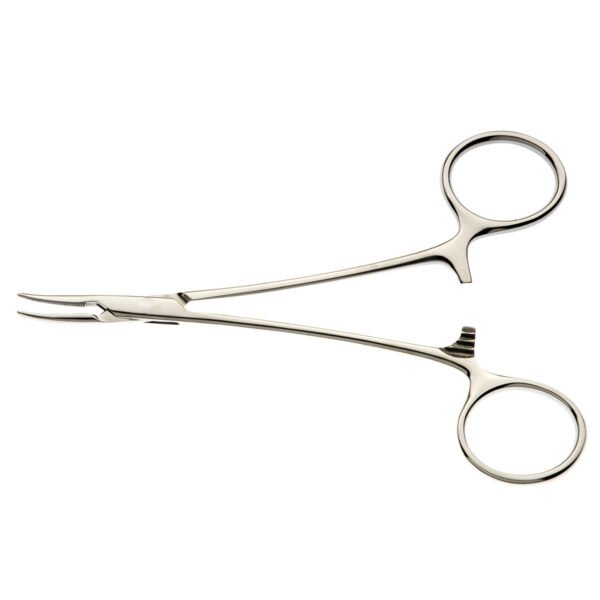
Halsted-mosquito Artery Forceps | NJ Medical Instruments
Original price was: $ 30.$ 20Current price is: $ 20.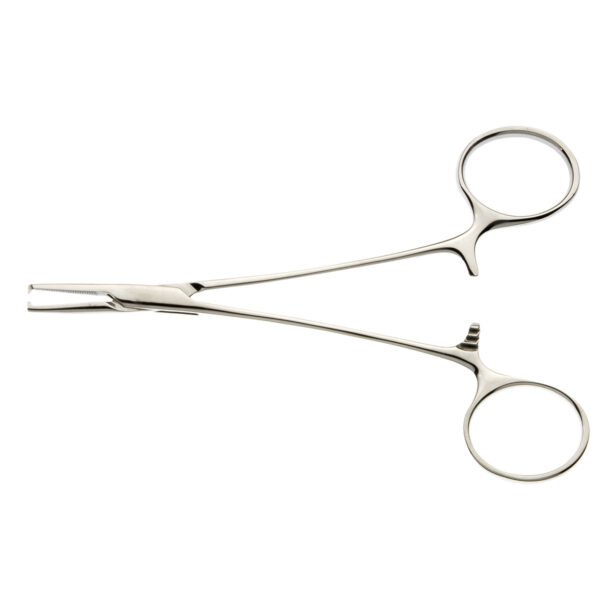
Halsted-mosquito Artery Forceps With Teeth | NJ Medical Instruments
Original price was: $ 30.$ 20Current price is: $ 20.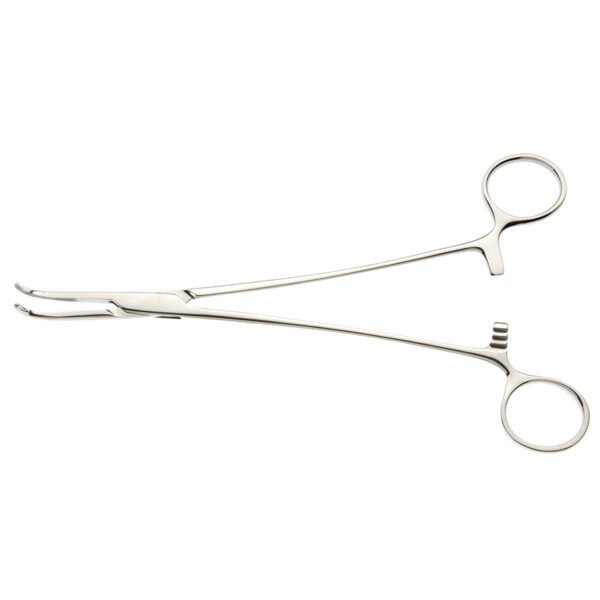
Heiss Artery Forceps | NJ Medical Instruments
Original price was: $ 30.$ 20Current price is: $ 20.
Kelly Artery Forceps | NJ Medical Instruments
Original price was: $ 30.$ 20Current price is: $ 20.Artery Forceps - Named Pattern Haemostats for Sale - Crile, Halsted, Crafoord, Christophe and More
Not all artery forceps are interchangeable, even though they look broadly similar on a sterile field photograph. The differences between named patterns - jaw length, serration depth, curvature angle, overall instrument length, the profile of the ratchet - accumulate into meaningful clinical distinctions that determine which instrument a surgeon reaches for at a particular moment in a particular procedure.
A Halsted mosquito that does not have teeth handles differently from one that does. A Crafoord artery forceps is a different instrument from a standard Crile - longer, with a jaw geometry shaped for the thoracic and cardiovascular access corridors where Clarence Crafoord worked. The Christophe pattern has specific proportions and jaw geometry that appear on instrument trays in surgical traditions that use it. These are not interchangeable substitutions.
The artery forceps in this subcategory at NJ Medical Instruments are the named clinical patterns used across general surgery, thoracic surgery, cardiovascular surgery, and plastic surgery. All are manufactured from surgical-grade stainless steel at the company's Sialkot facility, CE-certified, and autoclavable.
Small-Scale Haemostats - Halsted Mosquito Forceps
The Halsted mosquito is the smallest artery forceps in general surgical use. William Halsted's contribution to surgical technique included the systematic application of precise haemostasis - controlling each small bleeder individually rather than packing and proceeding - and the mosquito forceps reflects this philosophy. The fine jaw tips engage vessels in the 1 - 3 mm range that no larger instrument can grip reliably.
Halsted Mosquito Artery Forceps with Teeth
The toothed variant adds 1x2 or similar tooth configuration to the jaw tips, increasing grip on small vessels that would slip from smooth serrations under traction. This is particularly useful in subcutaneous dissection during facelift, blepharoplasty, and minor plastic surgery procedures where small facial vessels bleed persistently until each one is individually caught and controlled.
The Halsted Mosquito Artery Forceps with Teeth is available here in the standard clinical configuration - fine toothed jaw tips, ring-handle ratchet mechanism, CE-certified surgical stainless, autoclavable. Both straight and curved variants serve different access geometry requirements.
Mid-Range Haemostats - Crile Artery Forceps
George Crile's pattern became one of the most widely reproduced haemostat designs in surgical history - a medium-weight forceps with fully serrated jaws and proportions that suit the vessel range from small cutaneous bleeders up to medium-calibre vessels encountered in abdominal dissection. The Crile is longer than the Halsted mosquito and shorter than the Rochester Pean, which places it in the most frequently needed range for general dissection haemostasis.
The Crile Artery Forceps available here is the standard pattern in CE-certified surgical stainless steel, autoclavable. Straight and curved configurations serve different operative approaches.
Thoracic and Cardiovascular Haemostats - Crafoord Artery Forceps
Clarence Crafoord was a Swedish cardiac surgeon whose contributions to cardiovascular surgery included early work on aortic coarctation repair and cardiopulmonary bypass development. The artery forceps bearing his name reflects the thoracic surgery context - longer overall length than general haemostats, with proportions suited to the deep chest cavity access of thoracic and cardiac procedures where standard instrument lengths fall short.
The Crafoord Artery Forceps is the appropriate haemostat for thoracic surgery units handling oesophagectomy, pulmonary resection, and cardiac procedures where instrument reach into the thoracic cavity is a requirement. CE-certified, surgical stainless, autoclavable.
Christophe Artery Forceps
The Christophe Artery Forceps is a specific named pattern with jaw geometry and proportions used in surgical traditions where the Christophe design is the institutional or training preference. For surgical units procuring instruments to match existing tray specifications, or for surgeons who trained with Christophe-pattern haemostats and prefer the familiar geometry, this instrument provides the correct configuration. CE-certified, surgical stainless, autoclavable.
Ordering and Supply
NJ Medical Instruments ships artery forceps in all named patterns worldwide with ISO and CE certification. Bulk pricing is available for hospitals and distributors. Contact info@njmedicalinstruments.com or WhatsApp +92-333-8733922.