



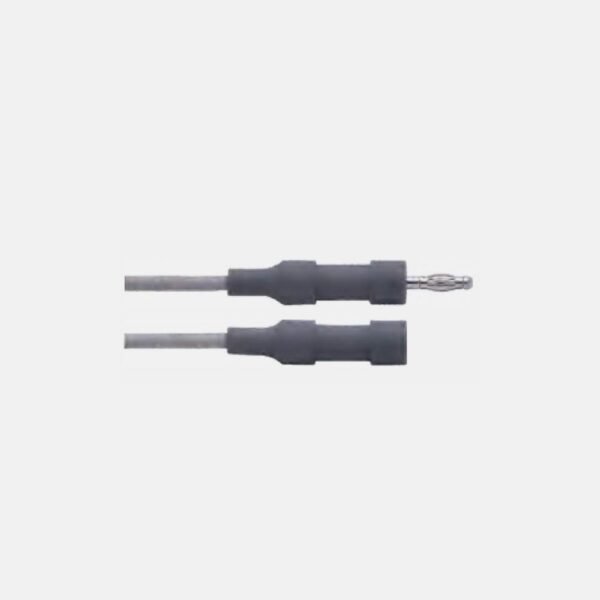
Silicone Diathermy Cable10″ (3.0m) Monopolar Cables | NJ Medical Instruments
SKU:
NJM-13215
Original price was: $ 30.$ 25Current price is: $ 25.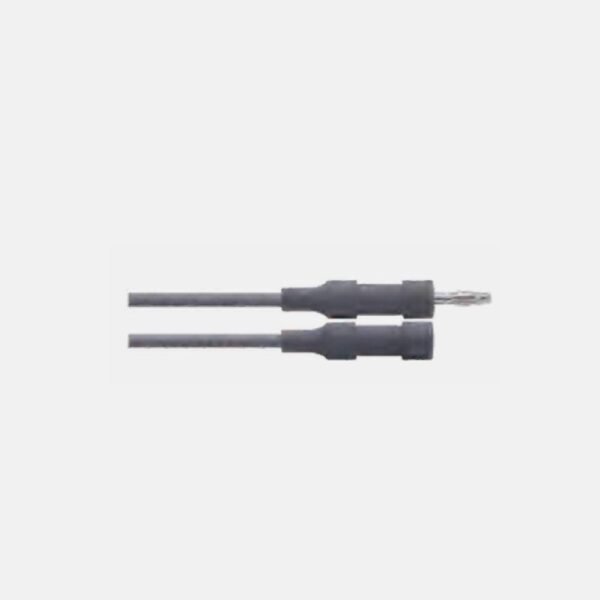
Silicone Diathermy Cable10″ (3.0m) Monopolar Cables | NJ Medical Instruments
SKU:
NJM-13214
Original price was: $ 30.$ 25Current price is: $ 25.Silicone Monopolar Endoscopic Cable 1O” (3.0m) Monopolar Cables | NJ Medical Instruments
SKU:
NJM-13213
Original price was: $ 30.$ 25Current price is: $ 25.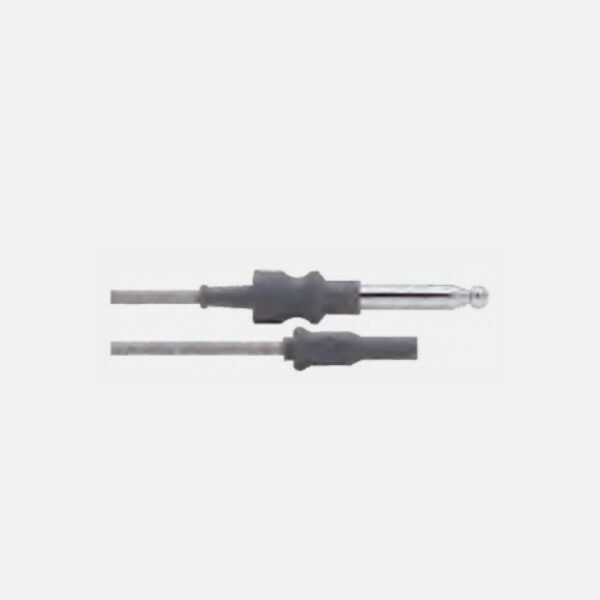
Silicone Monopolar Endoscoic Cable 1O” (3.0m) Monopolar Cables | NJ Medical Instruments
SKU:
NJM-13212
Original price was: $ 30.$ 25Current price is: $ 25.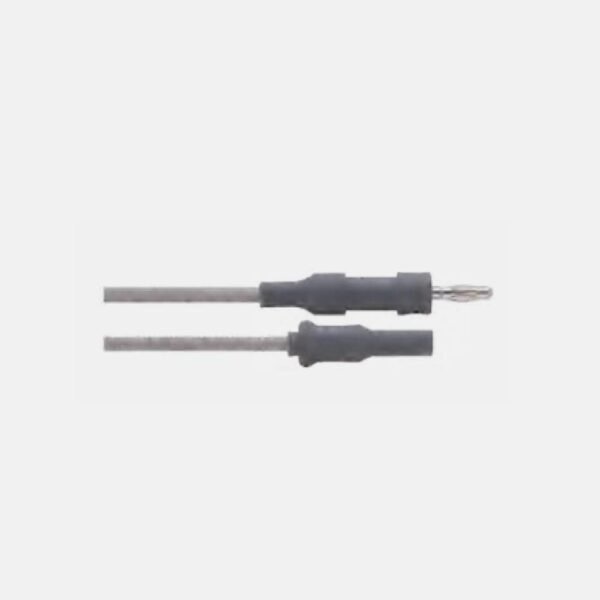
Silicone Monopolar Cables10″ (3.0m) Monopolar Cables | NJ Medical Instruments
SKU:
NJM-13211
Original price was: $ 30.$ 25Current price is: $ 25.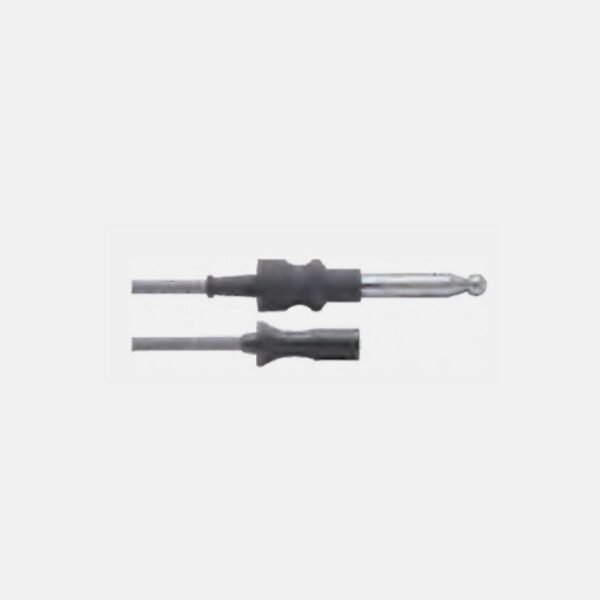
Silicone Monopolar Cables10″ (3.0m) Monopolar Cables | NJ Medical Instruments
SKU:
NJM-13210
Original price was: $ 30.$ 25Current price is: $ 25.Monopolar Cables for Electrosurgery - Silicone Diathermy and Endoscopic Cables for Sale
The cable connecting an active electrode to the electrosurgical unit is one of those components that gets replaced reactively in most OR settings - when it fails mid-case or develops intermittent connectivity that causes inconsistent generator output. That reactive approach has a real cost: interrupted procedures, unexpected power surges when a partially broken cable suddenly makes contact, and the diagnostic confusion of chasing generator output problems that are actually cable faults.
Monopolar cables are consumable in function even when they are nominally reusable - insulation wears at bend points, internal wires fatigue and fracture from repeated coiling and uncoiling, and connector ends loosen over time. Having reliable replacement stock and understanding the differences between cable types prevents the kind of mid-procedure scramble that comes from discovering a cable problem at the wrong moment.
This category at NJ Medical Instruments covers monopolar electrosurgical cables in silicone construction at the standard 3.0 m working length - including standard monopolar cables, diathermy-specific configurations, and endoscopic variants for laparoscopic and minimally invasive setups. All are CE-certified.
Why Silicone Cable Jackets Matter in the Surgical Environment
Not all electrosurgical cables are constructed equally, and the jacket material is one of the more practically significant variables. Older PVC-jacketed cables become stiff and brittle after repeated autoclaving, crack at the strain relief ends, and retain creases from storage that create sharp bends in the conductor at predictable failure points. Silicone jackets behave differently - they remain flexible across a wide temperature range, tolerate autoclave sterilisation without stiffening or cracking, and do not hold a bent position, which means the cable self-clears on the sterile field rather than staying coiled in ways that put constant stress on the conductor.
For high-frequency cables carrying electrosurgical current, the insulation integrity of the jacket is also a direct patient safety consideration. A cracked or deteriorating jacket on a cable carrying monopolar current can arc to drapes, the patient, or grounded equipment under the drapes. Regular visual inspection of cable jackets and planned replacement before visible degradation is a better protocol than waiting for visible damage.
Standard vs Endoscopic Monopolar Cables - What the Difference Is
The distinction between a standard monopolar cable and an endoscopic monopolar cable is primarily in the connection interface at the instrument end. Standard monopolar cables terminate in the connector configuration used by open surgery handles and electrode holders - typically a socket or pin connector matching the active electrode handle used in the specific surgical unit's instrument set.
Endoscopic monopolar cables are designed to connect to laparoscopic and endoscopic instruments, where the connection point is on the instrument shaft rather than a handheld electrode handle. The connector geometry is different - often a monopolar connection port on the shaft of a laparoscopic grasper, scissors, or hook electrode - and the cable has to maintain insulation continuity along its full length, because current-path management is more critical in an endoscopic environment where the surgeon's line of sight to the active electrode tip is indirect.
Featured Monopolar Cables at NJ Medical Instruments
Silicone Monopolar Cable 3.0 m
The Silicone Monopolar Cable 3.0 m is the standard active electrode cable for open surgery monopolar setups - 3.0 m working length, silicone jacket, CE-certified. This is the replacement or backup cable for general and specialist surgical units running diathermy pencils, electrode handles, and open-surgery active electrodes. The 3.0 m length gives adequate reach between the sterile field and the generator without excessive slack.
Silicone Diathermy Cable 3.0 m
The Silicone Diathermy Cable 3.0 m is configured specifically for diathermy pencil connections - the standard handheld electrode unit used in general, orthopaedic, and vascular surgery. The connector end is matched to diathermy pencil socket formats. Same silicone jacket construction and 3.0 m length, CE-certified. For units that run high diathermy pencil volume across multiple ORs, having surplus cable stock reduces the risk of a cable failure creating a same-day procurement problem.
Silicone Monopolar Endoscopic Cable 3.0 m
The Silicone Monopolar Endoscopic Cable 3.0 m is the laparoscopic and endoscopic variant - connector geometry suited for endoscopic instrument shaft connection, silicone jacket rated for the OR environment including autoclave sterilisation, 3.0 m working length. For laparoscopic cholecystectomy, appendicectomy, and general laparoscopic procedure setups where monopolar hook or scissor instruments are in regular use, this is the cable that keeps those instruments connected reliably to the generator. CE-certified.
Ordering and Supply
NJ Medical Instruments ships monopolar cables worldwide, with bulk pricing available for hospitals, surgical suites, and distributors. Contact info@njmedicalinstruments.com or via WhatsApp at +92-333-8733922 for wholesale enquiries and volume orders.