



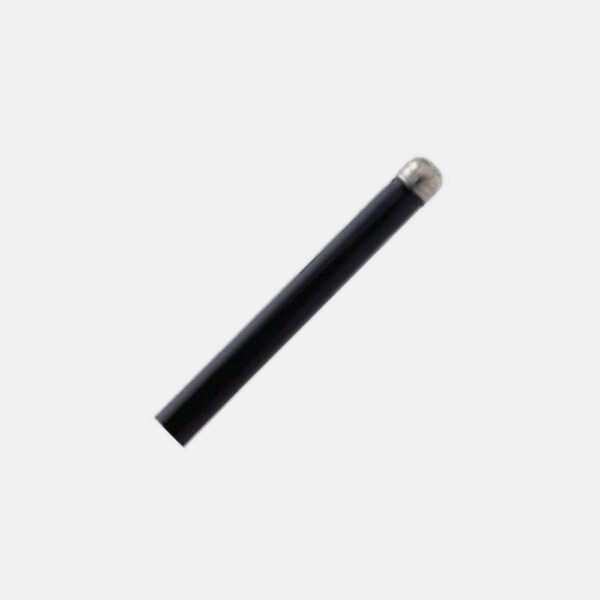
Ball-Hook Electrode (36cm) with Suction Laparoscopic Electrodes | NJ Medical Instruments
SKU:
NJM-13198
Original price was: $ 60.$ 48Current price is: $ 48.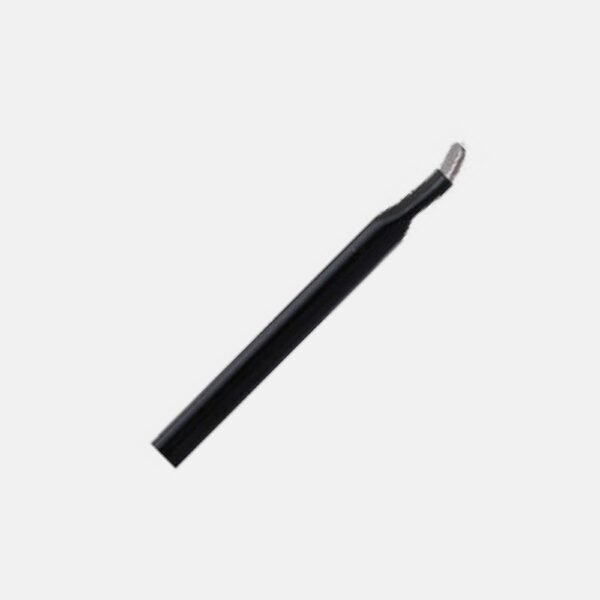
Spatula-Hook Electrode (36cm) without Suction | NJ Medical Instruments
SKU:
NJM-13199
Original price was: $ 60.$ 48Current price is: $ 48.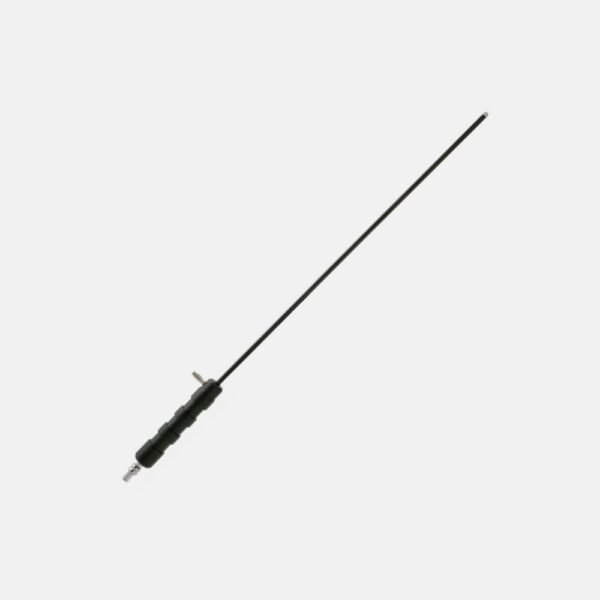
Laparoscopic Electrodes | NJ Medical Instruments
SKU:
NJM-13204
Original price was: $ 60.$ 48Current price is: $ 48.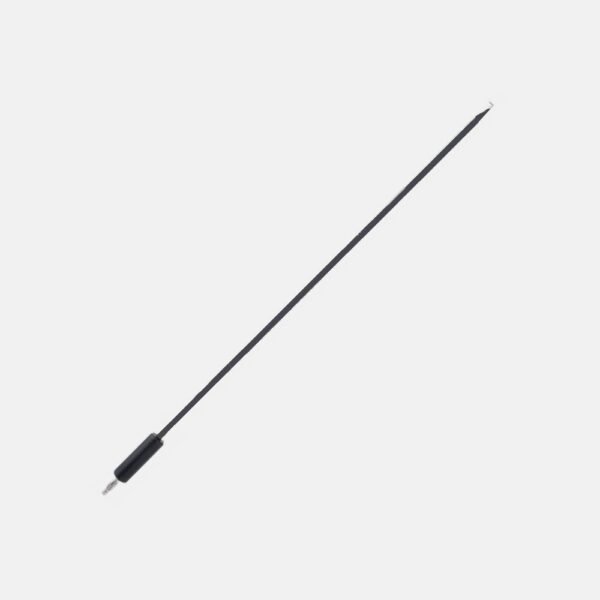
Laparoscopic Electrodes | NJ Medical Instruments
SKU:
NJM-13203
Original price was: $ 60.$ 48Current price is: $ 48.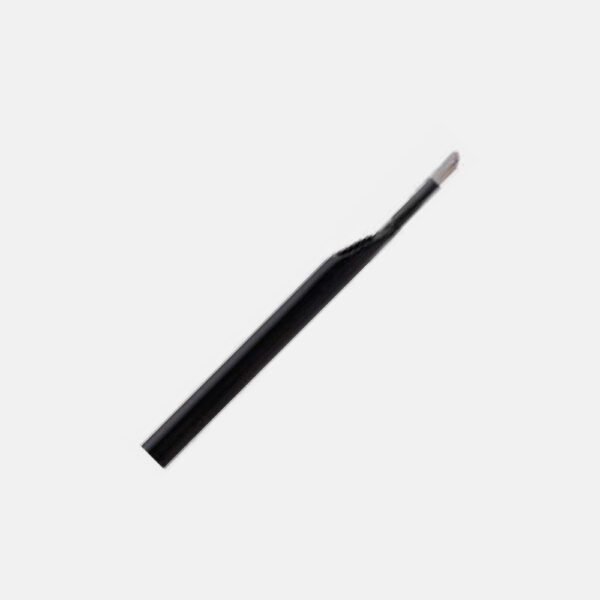
Spatula-Hook Electrode (Irrigation) (36cm) with Suction | NJ Medical Instruments
SKU:
NJM-13202
Original price was: $ 60.$ 48Current price is: $ 48.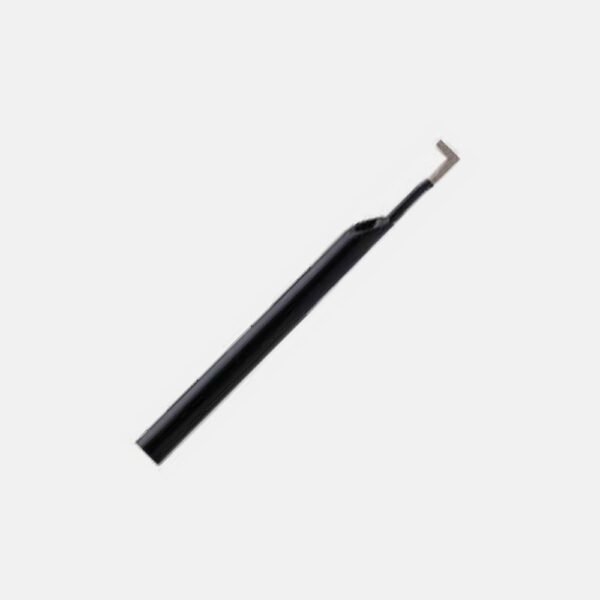
L-Hook Electrode (Irrigation) (36cm) with Suction Laparoscopic Electrodes | NJ Medical Instruments
SKU:
NJM-13206
Original price was: $ 60.$ 48Current price is: $ 48.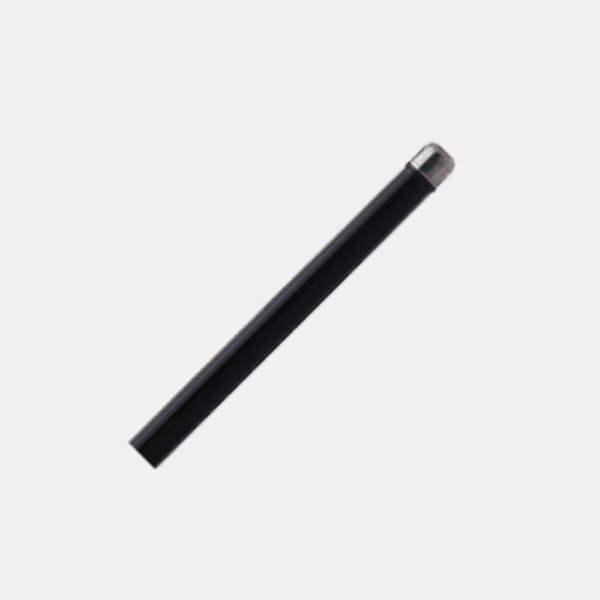
Ball-Hook Electrode (36cm) without Suction Laparoscopic Electrodes | NJ Medical Instruments
SKU:
NJM-13205
Original price was: $ 60.$ 48Current price is: $ 48.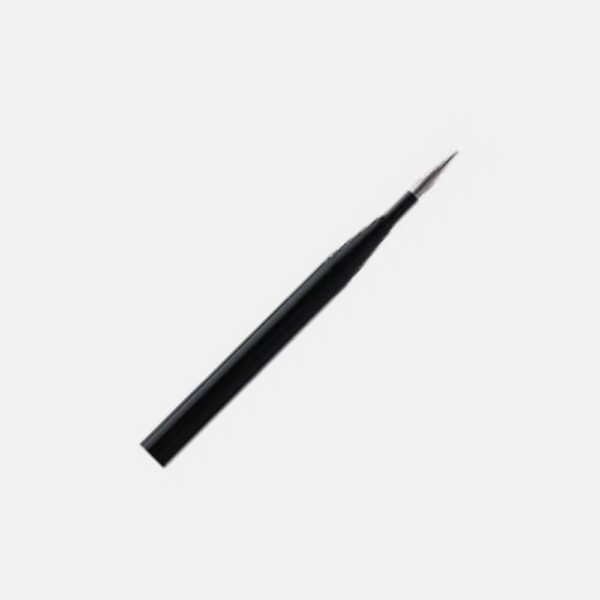
Needle-Hook Electrode (36cm) without Suction Laparoscopic Electrodes | NJ Medical Instruments
SKU:
NJM-13209
Original price was: $ 60.$ 48Current price is: $ 48.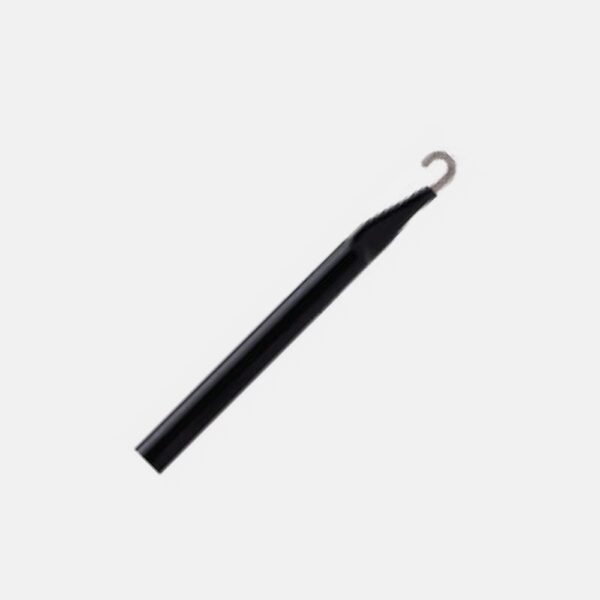
J-Hook Electrode (36cm) without Suction Laparoscopic Electrodes | NJ Medical Instruments
SKU:
NJM-13208
Original price was: $ 60.$ 48Current price is: $ 48.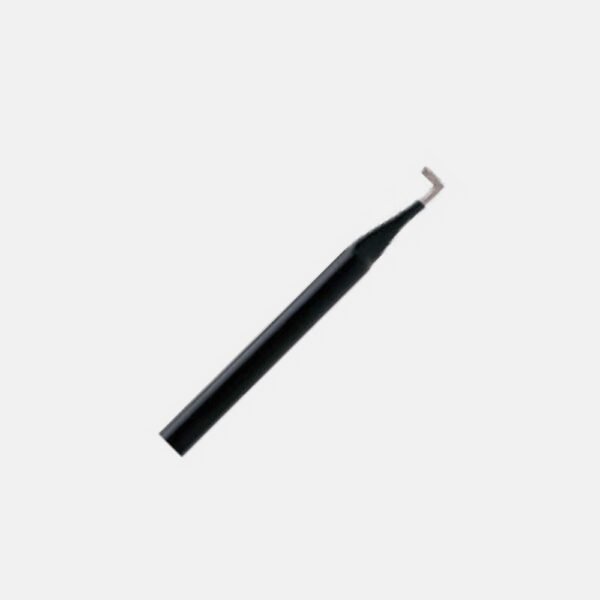
L-Hook Electrode (36cm) without Suction Laparoscopic Electrodes | NJ Medical Instruments
SKU:
NJM-13207
Original price was: $ 60.$ 48Current price is: $ 48.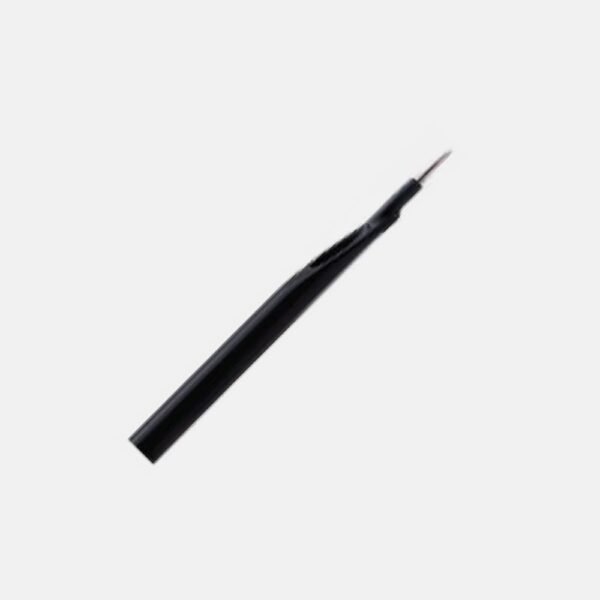
Needle-Hook Electrode (Irrigation) (36cm) with Suction Laparoscopic Electrodes | NJ Medical Instruments
SKU:
NJM-13201
Original price was: $ 30.$ 20Current price is: $ 20.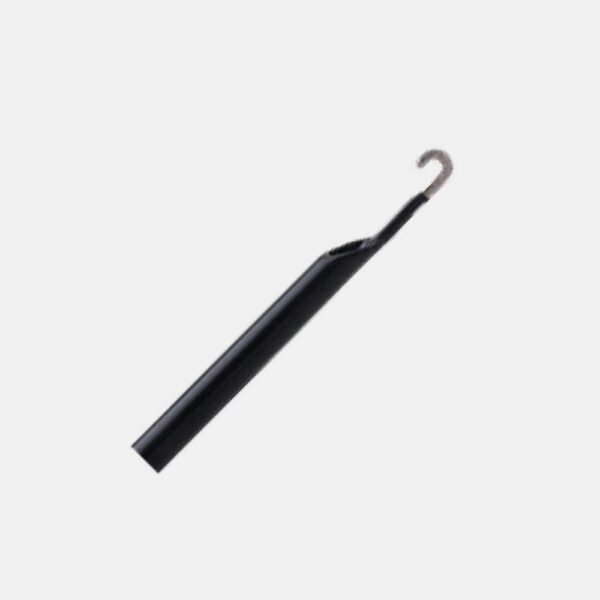
J-Hook Electrode (Irrigation) with Suction Laparoscopic Electrodes | NJ Medical Instruments
SKU:
NJM-13200
Original price was: $ 30.$ 20Current price is: $ 20.Laparoscopic Electrodes for Sale - Hook, Ball and Needle Monopolar Electrodes for Minimally Invasive Surgery
Laparoscopic monopolar electrodes are where the ergonomics and safety considerations of electrosurgery meet the specific access constraints of minimally invasive work. In an open procedure, the surgeon can see the active electrode tip directly and adjust position in real time. In laparoscopic surgery, the active tip is at the end of a 36 cm shaft passing through a port, visualised only through the camera. Current spread, insulation failure on the shaft, and capacitive coupling to adjacent instruments or bowel become failure modes that are less immediately visible than in open surgery - which means the quality of the electrode, its insulation integrity, and appropriate tip selection for each task are more consequential than they might seem.
This category at NJ Medical Instruments covers the main laparoscopic electrode tip configurations used in standard minimally invasive surgical practice - hook variants with and without suction, needle configurations, and irrigation-capable designs for combined coagulation and field management. All are CE-certified and manufactured to the 36 cm shaft length standard for 5 mm laparoscopic port compatibility.
Laparoscopic Electrode Tip Types and Their Clinical Uses
The choice of electrode tip is not interchangeable - each geometry is suited to specific dissection tasks in the laparoscopic field, and using a ball electrode where a hook is indicated slows the procedure down considerably.
Hook Electrodes - the Workhorse of Laparoscopic Dissection
The L-hook (also called J-hook depending on the specific geometry) and straight hook configurations are the standard instruments for laparoscopic tissue dissection and haemostasis. The hook tip allows the surgeon to engage tissue from beneath - lifting, separating, and coagulating in a pulling motion that gives more control than a push dissection. For cholecystectomy, this is the primary dissection instrument for the cystic duct and artery exposure step. For appendicectomy, colorectal, and gynaecological laparoscopic procedures, the hook electrode handles the majority of dissection and haemostasis work through the procedure.
The practical advantage of the hook tip over a spatula or needle in deep dissection is that you can engage tissue, draw it away from underlying structures, and apply current with the tip pointed away from critical anatomy. This direction of the current application is a genuine tissue protection technique rather than just a matter of style.
Needle Electrodes - Precision Dissection and Fine Haemostasis
Needle electrode tips are used where precise incision or point coagulation in a confined space is needed - dividing fine adhesions, marking tissue planes before formal dissection, or coagulating small vessels where a broader tip would contact adjacent tissue. The needle configuration concentrates current density at the tip point for fine cutting, with minimal thermal spread to surrounding tissue when used with cut waveform at appropriate power settings.
Ball Electrodes - Surface Coagulation
Ball electrodes distribute current over the rounded tip surface, which makes them the choice for surface haemostasis over a broader area rather than point coagulation. They are useful for raw peritoneal surfaces after dissection, liver bed haemostasis in cholecystectomy, and diffuse oozing from tissue planes where a hook or needle would be inefficient.
Suction and Irrigation Variants
Electrodes with integrated suction and irrigation channels combine the active electrode function with field management in a single instrument. During active coagulation, smoke and steam obscure the laparoscopic camera significantly - an electrode that also aspirates clears the field without requiring the surgeon to withdraw the electrode, insert a separate suction instrument, and re-engage. Irrigation capability allows washing the field and cooling the tip between activations, reducing tissue char accumulation at the tip.
Featured Laparoscopic Electrodes at NJ Medical Instruments
Ball-Hook Electrode 36 cm without Suction
The Ball-Hook Electrode 36 cm without Suction is a dual-tip configuration - ball electrode on one face, hook on the other - giving the surgeon two electrode geometries in a single instrument. The 36 cm shaft fits standard 5 mm laparoscopic ports. CE-certified. Suited for procedures where the balance between surface coagulation and dissection work varies through the case and switching instruments adds unnecessary time.
J-Hook Electrode with Irrigation and Suction
The J-Hook Electrode with Irrigation and Suction is the integrated field management version of the standard hook electrode - the J-hook tip for dissection and haemostasis, with suction to clear smoke and irrigation to wash and cool the operative field. For cholecystectomy and other procedures where repeated coagulation creates cumulative smoke obscuration, this instrument significantly reduces the number of tip withdrawals needed to maintain a clear laparoscopic view. CE-certified.
Needle-Hook Electrode with Irrigation 36 cm with Suction
The Needle-Hook Electrode with Irrigation 36 cm with Suction combines fine-tip precision with suction and irrigation in the same 36 cm shaft. The needle tip handles delicate dissection and adhesiolysis; the integrated suction and irrigation manages the field during and after activation. CE-certified. This is a good instrument choice for adhesion division, gynaecological laparoscopy, and any procedure where fine dissection and field clarity are both operational priorities.
Ordering and Supply
NJ Medical Instruments ships laparoscopic electrodes worldwide, with bulk pricing available for laparoscopic surgical units and distributors. Contact info@njmedicalinstruments.com for wholesale enquiries and volume orders.