



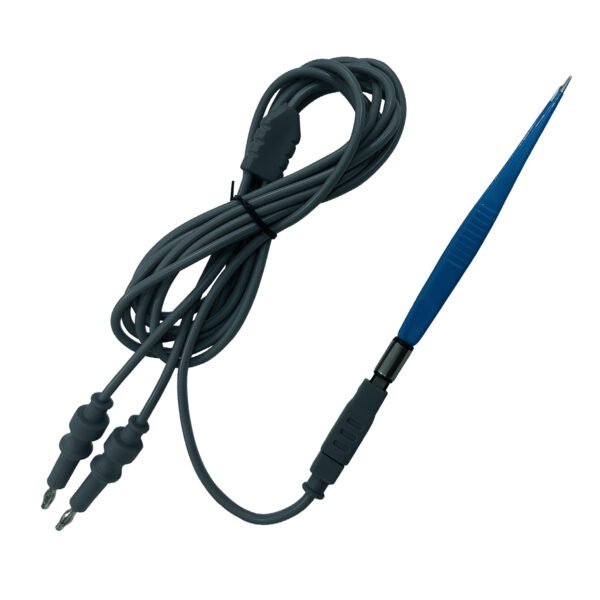
Blue Bipolar Forceps | NJ Medical Instruments
SKU:
NJM-46436
Original price was: $ 42.$ 35Current price is: $ 35.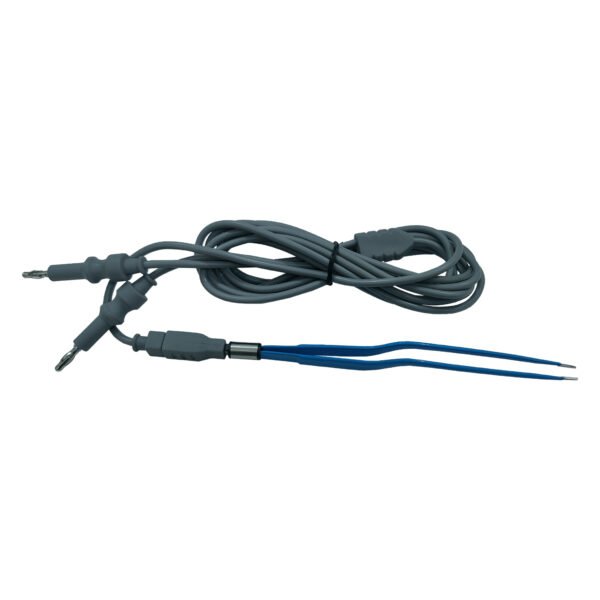
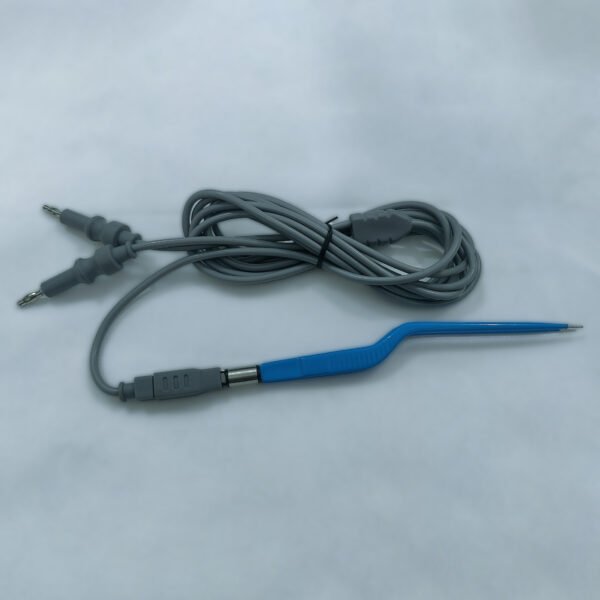
European Bipolar Forceps Bayonet | NJ Medical Instruments
Original price was: $ 42.$ 35Current price is: $ 35.
Bayonet (Angled Down) European Bipolar Forceps | NJ Medical Instruments
SKU:
NJM-13162
Original price was: $ 37.$ 29Current price is: $ 29.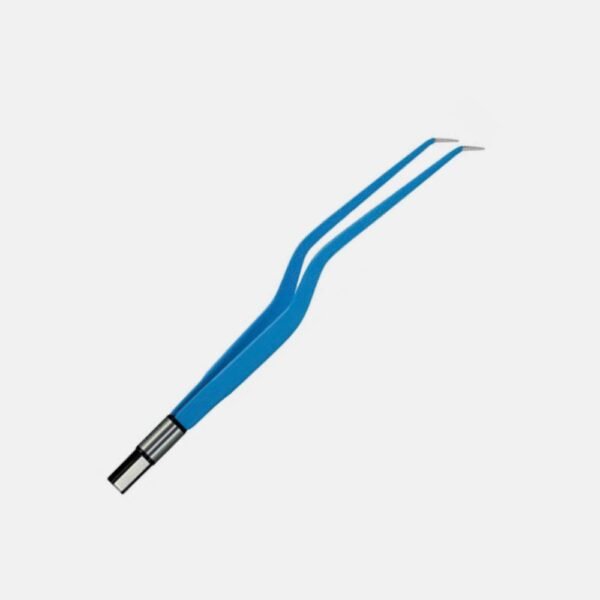
Bayonet (Angled Down) European Bipolar Forceps | NJ Medical Instruments
SKU:
NJM-13116
Original price was: $ 37.$ 29Current price is: $ 29.
Bayonet European Bipolar Forceps | NJ Medical Instruments
SKU:
NJM-13115
Original price was: $ 37.$ 29Current price is: $ 29.
Bayonet European Bipolar Forceps | NJ Medical Instruments
SKU:
NJM-13114
Original price was: $ 37.$ 29Current price is: $ 29.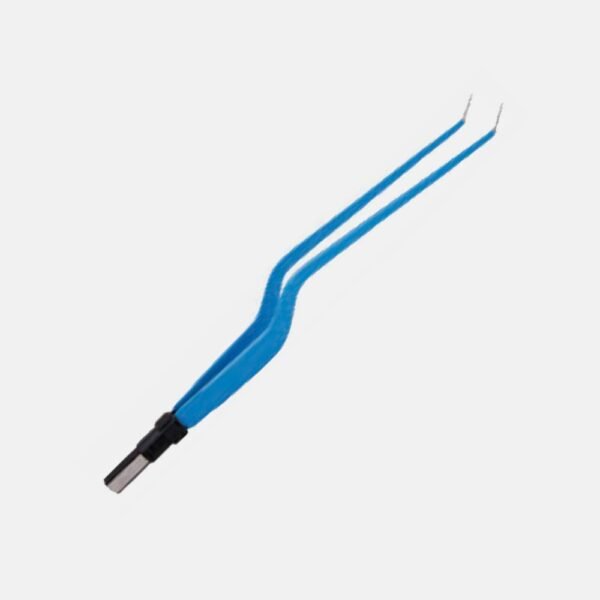
Bayonet (Angled Up) European Bipolar Forceps | NJ Medical Instruments
SKU:
NJM-13119
Original price was: $ 37.$ 28Current price is: $ 28.
Bayonet (Angled Down) European Bipolar Forceps | NJ Medical Instruments
SKU:
NJM-13122
Original price was: $ 37.$ 28Current price is: $ 28.
Bayonet (Angled Down) European Bipolar Forceps | NJ Medical Instruments
SKU:
NJM-13121
Original price was: $ 37.$ 28Current price is: $ 28.
Bayonet (Angled Down) European Bipolar Forceps | NJ Medical Instruments
SKU:
NJM-13120
Original price was: $ 37.$ 28Current price is: $ 28.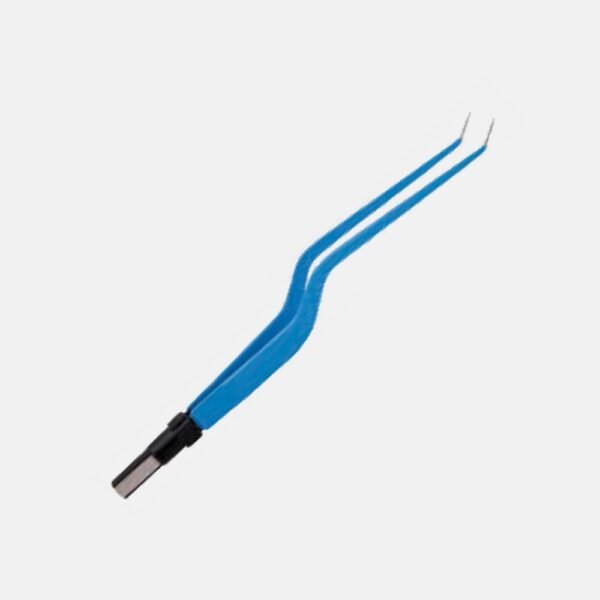
Bayonet (Angled Up) European Bipolar Forceps | NJ Medical Instruments
SKU:
NJM-13118
Original price was: $ 37.$ 28Current price is: $ 28.
Bayonet (Angled Up) European Bipolar Forceps | NJ Medical Instruments
SKU:
NJM-13117
Original price was: $ 37.$ 28Current price is: $ 28.European Bipolar Forceps for Sale - Adson, Bayonet and Angled Instruments with 4 mm Connectors
Bipolar forceps are selected on two axes: connector compatibility with the generator, and tip geometry suited to the procedure and surgical field. This category covers the standard European bipolar range - instruments with the 4 mm banana plug connector used across UK, European, and many international OR setups - in the most widely used tip patterns and shank configurations. No irrigation, no special tip coating - this is the core instrument range that forms the basis of most bipolar setups in European-standard surgical units.
Getting the tip pattern right matters more than the marketing around any individual instrument. A surgeon who uses the same forceps in every situation is either doing mostly similar cases or improvising with the wrong geometry for some of them. The Adson pattern, bayonet straight, bayonet angled up, and bayonet angled down configurations available here cover the main access scenarios in cranial, ENT, and plastic surgery bipolar practice - and understanding which configuration suits which situation is worth covering in detail.
The European 4 mm Connector - What It Means for Compatibility
European-format bipolar forceps have two separate 4 mm banana plug connectors - one for each jaw - that insert into the corresponding 4 mm sockets on a European-standard bipolar generator channel. This is the connector format used by Erbe, Olympus ESG series, Valleylab European-market units, and many other generators supplied to UK and European hospitals. The connectors seat firmly and make clean electrical contact across the full pin surface, which keeps circuit impedance stable and energy delivery consistent.
The practical implication for procurement is straightforward: if the OR runs European-format generators, these are the forceps that connect without adaptors. Adaptors are not a reliable solution for regular use - they introduce an additional resistance point into the circuit and are prone to loosening during a case.
Tip Patterns and Shank Configurations - Matching the Instrument to the Case
Adson Bipolar Forceps - the General-Purpose Configuration
The Adson pattern is a moderate-length straight instrument with fine tips suited for a broad range of haemostasis tasks in open surgical fields. It works well for craniotomy wound haemostasis, cortical surface coagulation, soft tissue bleeding points in ENT and plastic surgery, and any situation where direct access allows the surgeon to position a straight instrument without the handle obstructing the visual field. The Adson is the default first choice for many surgeons precisely because it handles the majority of bipolar haemostasis tasks competently without being overspecialised.
The Adson European Bipolar Forceps here is the standard configuration in surgical-grade stainless steel, European 4 mm connector, CE-certified. This is the instrument most commonly stocked as the baseline bipolar option in general neurosurgical and ENT instrument sets.
Bayonet Angled Down European Bipolar Forceps
Bayonet forceps offset the handle laterally from the instrument axis, keeping the surgeon's hand out of the microscope field during deep-approach procedures. The angled-down tip deflection on this variant directs the forceps tips downward relative to the instrument shaft axis, which is useful in procedures where the tissue target is below the approach corridor - accessing the floor of the fourth ventricle from a superior approach, coagulating bleeding points in the inferior aspects of a surgical cavity, or working in anterior skull base approaches where superior-to-inferior access geometry places the target below the instrument's natural axis.
The Bayonet Angled Down European Bipolar Forceps provides exactly this geometry - bayonet shank to keep the handle clear of the microscope axis, tip deflected downward to direct the active electrode toward inferiorly positioned tissue. CE-certified, European 4 mm connector.
Bayonet Angled Up European Bipolar Forceps
The upward tip deflection variant mirrors the logic of the angled-down version, but addresses the opposite access requirement - tissue targets positioned superior to the instrument's natural axis during a deep-field approach. Transsphenoidal pituitary surgery, superior approaches to the posterior fossa, and procedures conducted in reclined patients where the superior aspects of the surgical cavity are the primary haemostasis sites all benefit from an upward-angled tip that directs the coagulation energy toward the ceiling of the operative field without requiring the surgeon to rotate the wrist sharply.
The Bayonet Angled Up European Bipolar Forceps covers this requirement - bayonet shank, tip angled upward, European 4 mm connector, CE-certified. Paired with the angled-down variant, these two instruments give comprehensive coverage of the deep-field haemostasis scenarios that a standard straight bayonet cannot reach without awkward repositioning.
Build Quality and Supply
All instruments in this category are manufactured from surgical-grade stainless steel with polished working tips and clean connector finishes. NJ Medical Instruments has been producing and supplying surgical instruments from Sialkot since 1990, with ISO and CE certification across the range. Bulk pricing is available for hospitals, neurosurgical units, and distributors. Contact info@njmedicalinstruments.com for wholesale enquiries.