


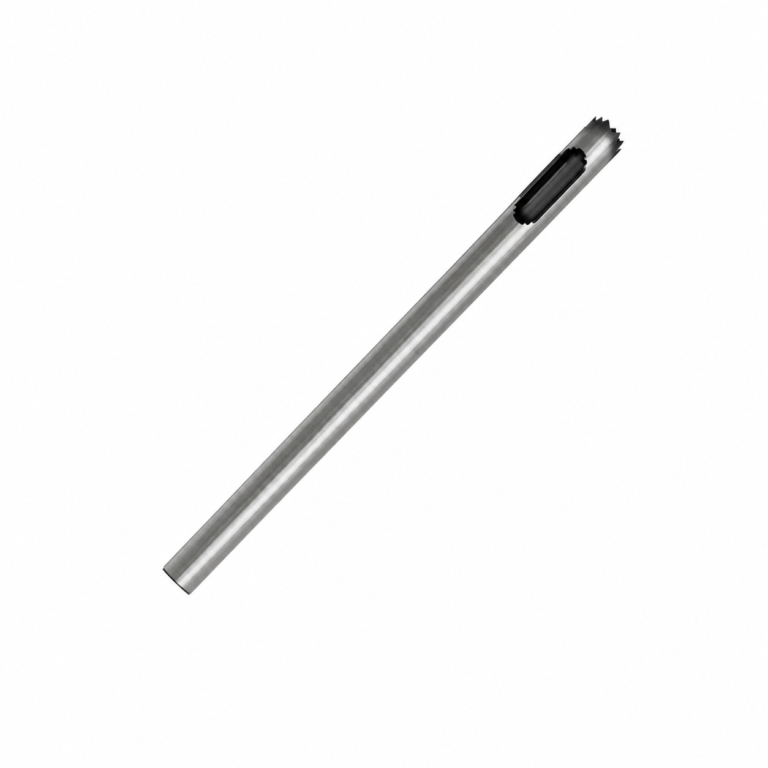
Coleman Liposuction Cannula Fig. MIC I | NJ Medical Instruments
In stock
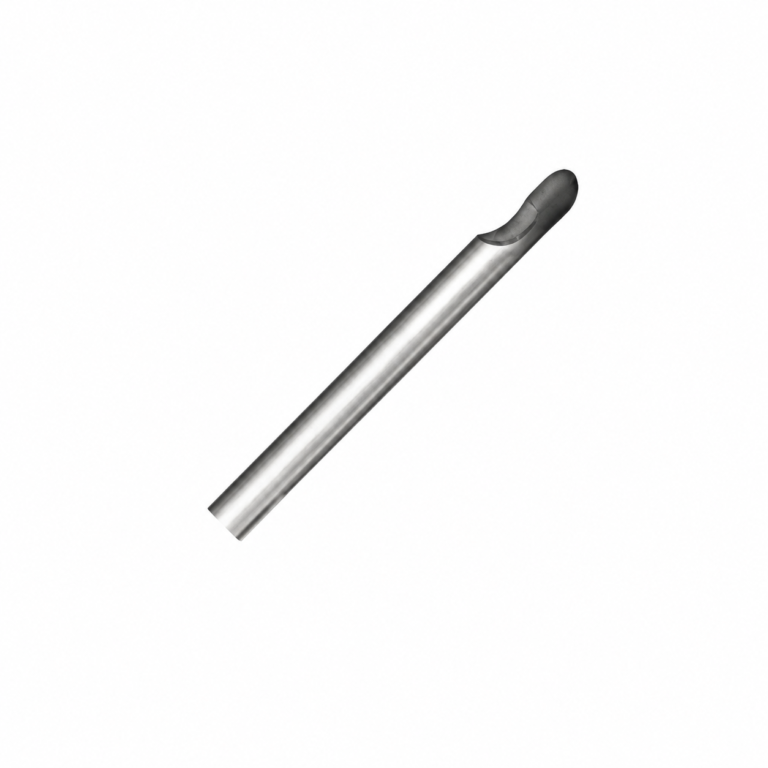
Coleman Liposuction Cannula Spoon Tip Fig. MIC III | NJ Medical Instruments
In stock
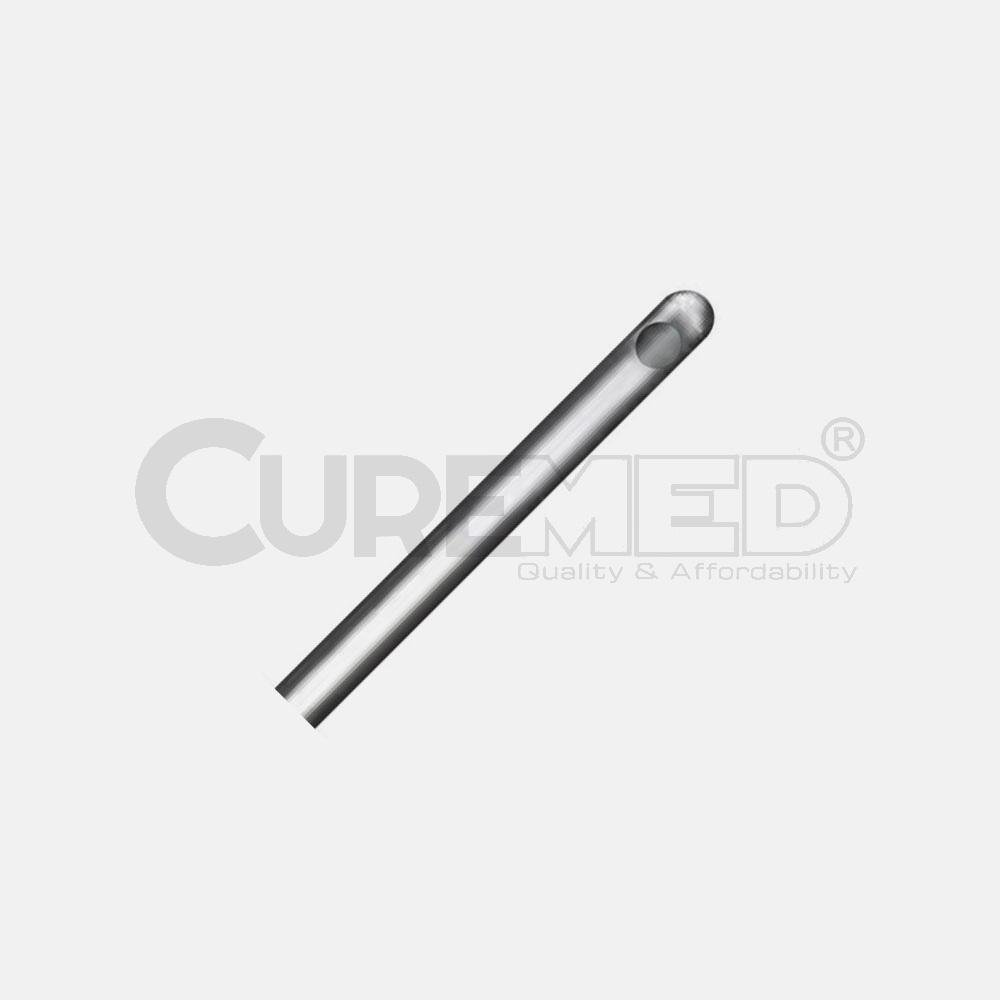
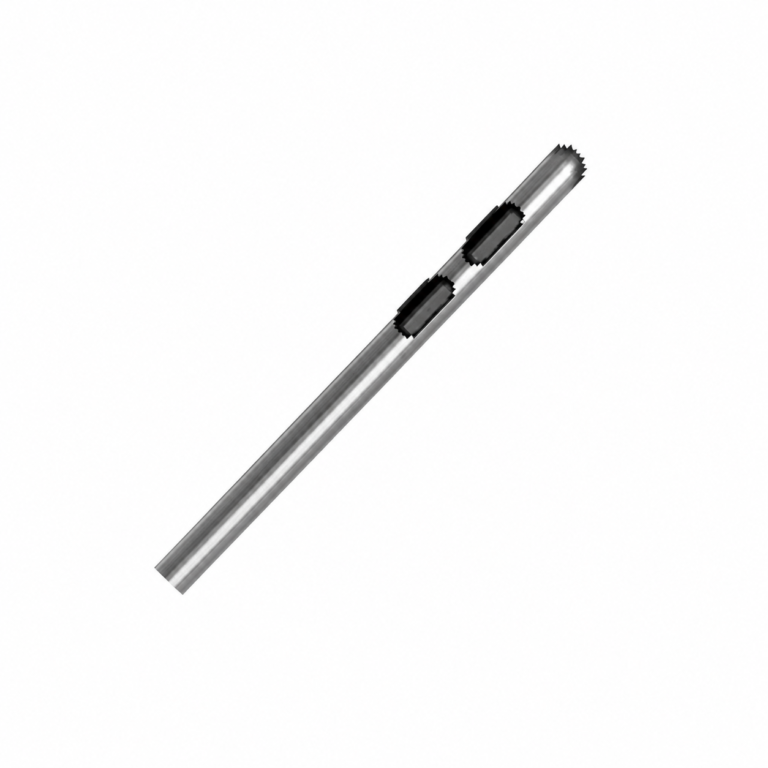
Micro Injectors | NJ Medical Instruments
In stock
Micro Injectors: Placing Very Small Volumes Where They Are Meant to Go
A micro injector exists because at small volumes the limiting factor stops being how much you can deliver and becomes how little you can deliver deliberately. A standard cannula and syringe can put out a tiny amount, but not reliably or repeatably — the smallest controllable increment is set by the mechanics of the instrument, not by the operator's intention. Everything in this category is built to make that minimum increment smaller and more predictable.
Bore diameter and the resolution of a single movement
The volume delivered by a given movement of the plunger is the cross-sectional area of the bore multiplied by the distance travelled. Narrowing the bore therefore shrinks the amount released per unit of movement, which is what converts a coarse push into a fine, controllable one. The trade is resistance: a narrower bore requires more pressure to move the same fluid, so the useful bore is the smallest one through which the material actually moves smoothly.
Where compliance loses control
At these volumes, any give in the system absorbs part of the movement. Flexible tubing expands slightly under pressure, loose fittings take up movement before transmitting it, and the fluid itself compresses marginally. The result is a delay between pushing and delivering, then a surge once the stored energy releases. Rigid connections and short, direct fluid paths matter far more here than on larger instruments, because there the same losses are lost in the noise — at micro volumes they are the dominant error.
Single port versus distributed delivery
A single opening at or near the tip puts the entire volume at one point, giving the most precise placement — the right choice when position matters more than spread. Multiple small ports distribute a tiny volume across several points in one pass. Given how small the total is, the two produce genuinely different results, and the choice should be made from what is wanted rather than by defaulting to whichever pattern is in stock.
Tip form and travelling to the target
Micro injectors are usually advanced through tissue before delivering, so tips are typically blunt or rounded to separate rather than divide on the way. As with the other cannulas in this range, the tip determines how the instrument travels and the port determines what it does at the destination. Fine instruments also demand shaft rigidity: at this scale a small deflection is a large proportional placement error, and a shaft that flexes puts the tip somewhere other than where it was aimed.
Which micro injector do you need?
| Priority | Bore | Port arrangement | Notes |
|---|---|---|---|
| Finest controllable increment | Narrowest workable | Single tip port | Check the material moves smoothly at that bore |
| Precise single-point placement | Fine | Single port | Position prioritised over spread |
| Small volume over several points | Fine to medium | Multiple small ports | One pass, distributed result |
| Thicker material | Slightly wider | Single port | Avoids the surge that follows resistance |
| Accurate placement at depth | Any | Any | Shaft rigidity governs where the tip ends up |
Related cannulas in this range
- Liposuction Cannulas & Accessories — the wider cannula range
- Infiltration Cannulas — even delivery along a working length
- Harvester Cannulas — aperture patterns for collection
- Cannula Hubs & Connections — handles, hubs and fittings
- Plastic Surgery Instruments — the wider plastic surgery range
Wholesale, OEM and private-label supply
NJ Medical Instruments manufactures micro injector cannulas in Sialkot, Pakistan, supplying single instruments through this shop and graded sets in bulk to hospitals, plastic surgery and aesthetic clinics, and distributors. As the manufacturer we produce to specification — bore diameter, shaft length and rigidity, port count and placement, tip form, hub and connection type, marking and private-label packaging. For volume pricing or an OEM quotation, email info@njmedicalinstruments.com or message +92-333-8733922.
Frequently asked questions
What makes a micro injector different from a small cannula?
The smallest increment it can deliver deliberately. Any cannula can release a tiny amount; a micro injector is built so that a small movement corresponds to a small, predictable volume — which is a property of bore diameter and system rigidity, not simply of overall size.
Why does a narrower bore give finer control?
Because volume delivered equals bore cross-section times plunger travel. A narrower bore releases less per unit of movement, turning a coarse push into a fine one. The limit is resistance — choose the narrowest bore through which your material still moves smoothly.
Why does delivery sometimes lag then surge?
Compliance in the system. Flexible tubing expands under pressure, loose fittings absorb movement, and fluid compresses slightly — so pressure builds before anything emerges, then releases at once. Rigid connections and a short, direct fluid path largely remove it. At larger volumes this is negligible; here it is the main source of error.
Single port or multiple ports?
Single for the most precise placement of the whole volume at one point. Multiple small ports to distribute a very small total across several points in one pass. At these volumes the two give genuinely different results, so choose from the intended outcome.
What are your micro injectors made from?
They are manufactured from surgical-grade stainless steel, with bore, port and hub connection finished and inspected before dispatch, and shaft temper controlled so fine shafts do not deflect in use. Both reusable and single-use options exist — specify which you need, or ask for the material specification of a pattern.
Can I order a graded set or custom specification?
Yes. As an OEM manufacturer we supply retail quantities through this shop and bulk orders direct from the factory, including graded sets across bores and lengths. Custom bores, port arrangements, tip forms, shaft lengths, hubs, laser marking and private-label packaging are available. Send your specification and quantity for a quotation.