


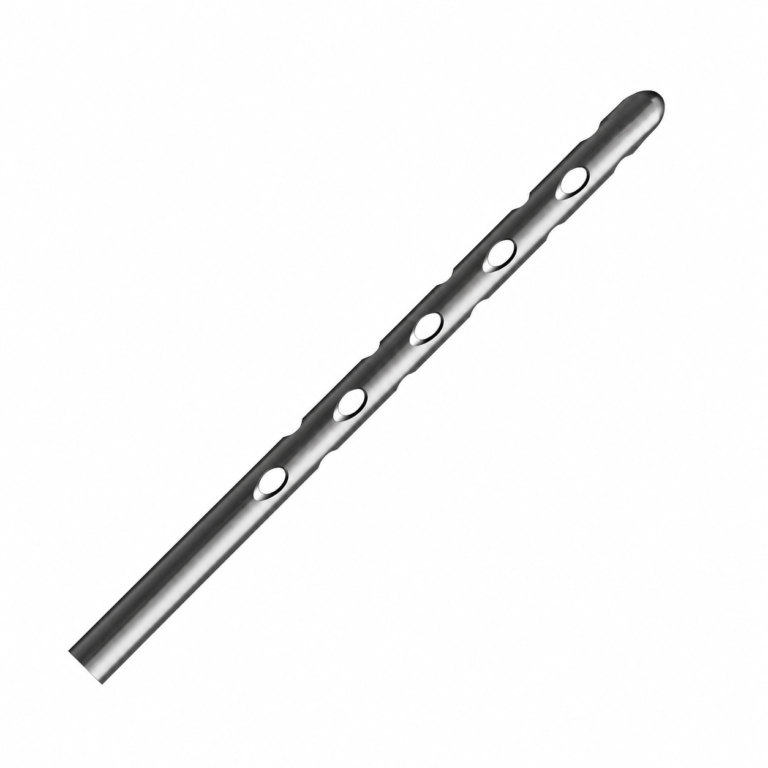
Multi-Port Harvester – Both-End Bevel
In stock
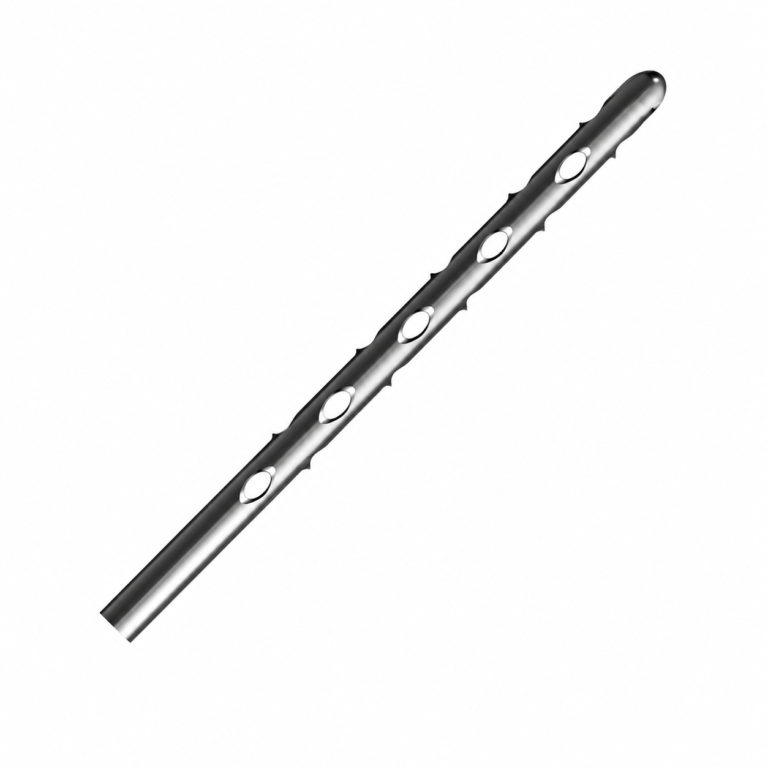
Multiport Speed Harvester – Both End Sharp | NJ Medical Instruments
In stock
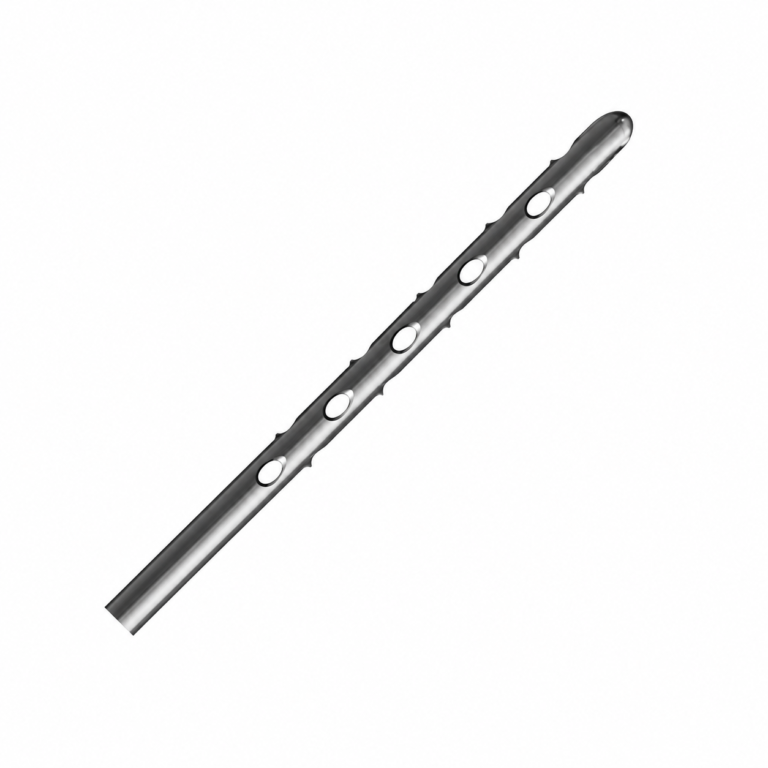
Multiport Speed Harvester – One End Sharp | NJ Medical Instruments
In stock
Harvester Cannulas: The Aperture Decides What Survives the Journey
A harvester cannula has to take tissue out through a narrow tube without destroying it on the way, and the openings along its shaft are what determine whether that succeeds. Everything else — length, gauge, hub, handle — is about reaching the site and controlling the instrument. The apertures are what decide the quality of what comes back. Two cannulas of identical diameter with different hole patterns behave like different instruments, and this is the specification most often skipped when ordering by size alone.
Hole size sets the size of what comes through
Each opening acts as a gate. Tissue larger than the aperture is either broken up as it passes or refused entry, so the hole dimension effectively sets an upper limit on the size of the parcels collected. Larger apertures collect larger, less disturbed portions but demand more from the surrounding structure as it passes; smaller apertures produce finer material more gently. Choosing aperture size is choosing what you want to come out, and it is not adjustable afterwards.
Hole count, spacing and how suction distributes
Suction follows the path of least resistance, so with several openings the flow is not shared equally — the ports nearest the tip usually do a disproportionate share of the work unless the pattern is designed to compensate. More holes increase total throughput and reduce the load at any one port; fewer holes concentrate the effect and give more directional control. Spacing along the shaft determines how much of the working length is actually active, which in turn affects how evenly material is drawn along a pass.
Aperture placement and edge finish
Ports set on one side of the shaft let the operator direct the working face by rotating the cannula, keeping the action away from surfaces that should be left alone. Ports distributed around the circumference collect from all sides and work faster with less directional control. In both cases the finish of the aperture rim matters: a cleanly finished edge lets tissue enter without being caught or torn at the rim, while a rough or burred edge damages material at the moment of entry — the one point where the design is supposed to be gentlest.
Tip form and the difference between entering and working
The tip has a separate job from the apertures. Blunt and bullet-shaped tips advance through tissue by separating rather than cutting, which is what allows the cannula to travel along a plane without dividing what it passes. Because the tip is closed, all collection happens through the side ports — so tip form governs how the instrument travels, while the apertures govern what it takes. These are independent decisions and should be made separately.
Which harvester cannula do you need?
| Priority | Aperture pattern | Tip | Notes |
|---|---|---|---|
| Larger, less disturbed portions | Fewer, larger holes | Blunt | Gentler on what passes, slower throughput |
| Finer material | Many small holes | Blunt | Smaller parcels, higher total flow |
| Directional control | Ports on one side | Bullet | Working face aimed by rotating the shaft |
| Speed of collection | Ports around the circumference | Blunt | Collects from all sides, less directional |
| Confined or superficial work | Short active length, fine gauge | Blunt | Control where a long active span is unusable |
Related cannulas in this range
- Liposuction Cannulas & Accessories — the full range this category sits within
- Infiltration Cannulas — delivering fluid evenly through tissue
- General Suction Cannulas — general aspiration patterns
- Cannula Hubs & Connections — handles, hubs and fittings
- Plastic Surgery Instruments — the wider plastic surgery range
Wholesale, OEM and private-label supply
NJ Medical Instruments manufactures harvester cannulas in Sialkot, Pakistan, supplying single instruments through this shop and graded sets in bulk to hospitals, plastic surgery and aesthetic clinics, and distributors. As the manufacturer we produce to specification — shaft diameter and length, aperture size, count, spacing and placement, rim finish, tip form, hub type and marking, with private-label packaging. Because these are used as a graded family across gauges and hole patterns, we can quote for a complete set. Email info@njmedicalinstruments.com or message +92-333-8733922.
Frequently asked questions
What is the most important specification on a harvester cannula?
The aperture pattern — hole size, count, spacing and placement. Diameter and length determine reach and handling, but the openings determine what actually comes through and in what condition. Two cannulas of the same gauge with different hole patterns perform quite differently.
How does hole size affect what is collected?
Each opening acts as a gate, so the aperture dimension sets an upper limit on the size of the portions that pass. Larger holes collect larger, less disturbed material; smaller holes produce finer material more gently. It is fixed at manufacture and cannot be adjusted in use.
Do more holes always mean better flow?
More holes increase total throughput and spread the load so no single port does all the work. But suction follows the path of least resistance, so ports are rarely equally active unless the pattern is designed to compensate — usually those nearest the tip do more. Fewer holes concentrate the effect and give more directional control.
Should the ports be on one side or all round?
One side if you need to aim the working face by rotating the shaft and keep the action away from surfaces to be left alone. All round if speed matters more than direction. It is a control-versus-throughput decision.
What are your harvester cannulas made from?
They are manufactured from surgical-grade stainless steel, with aperture rims finished and inspected before dispatch — important here, since a burred rim damages material at the moment of entry. Both reusable and single-use options exist across this range; specify which you need, or ask for the material specification of a particular pattern.
Can I order a graded set or custom aperture pattern?
Yes. As an OEM manufacturer we supply retail quantities through this shop and bulk orders direct from the factory, including graded sets across gauges and hole patterns. Custom aperture sizes, counts, spacing and placement, tip forms, lengths, hubs, laser marking and private-label packaging are all available. Send your specification and quantity for a quotation.