


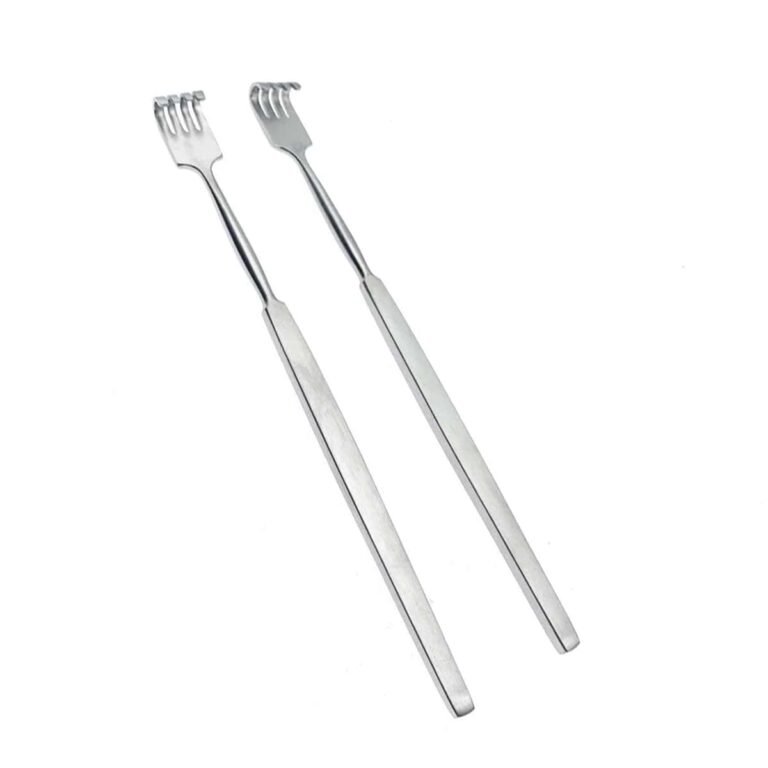
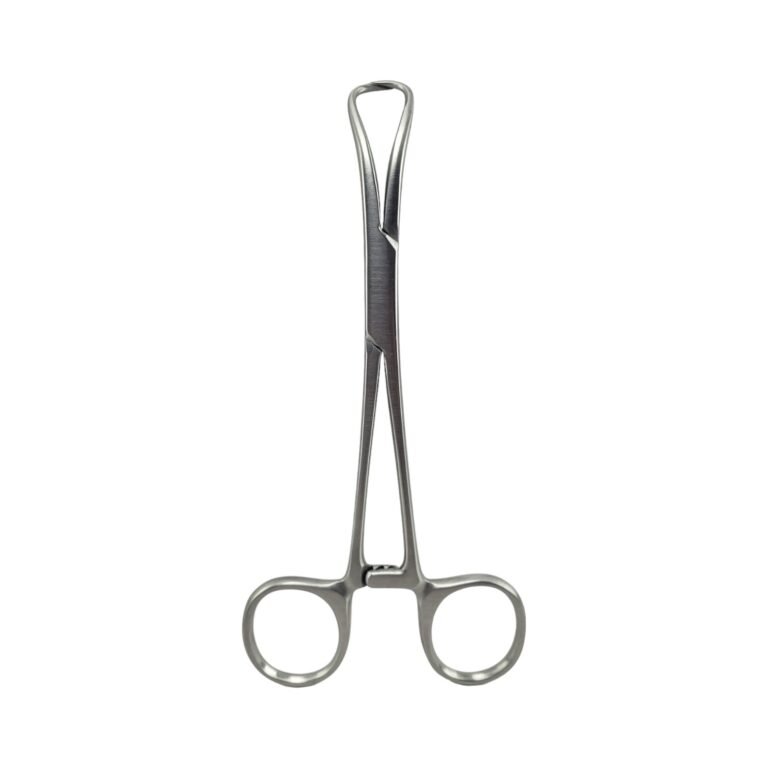
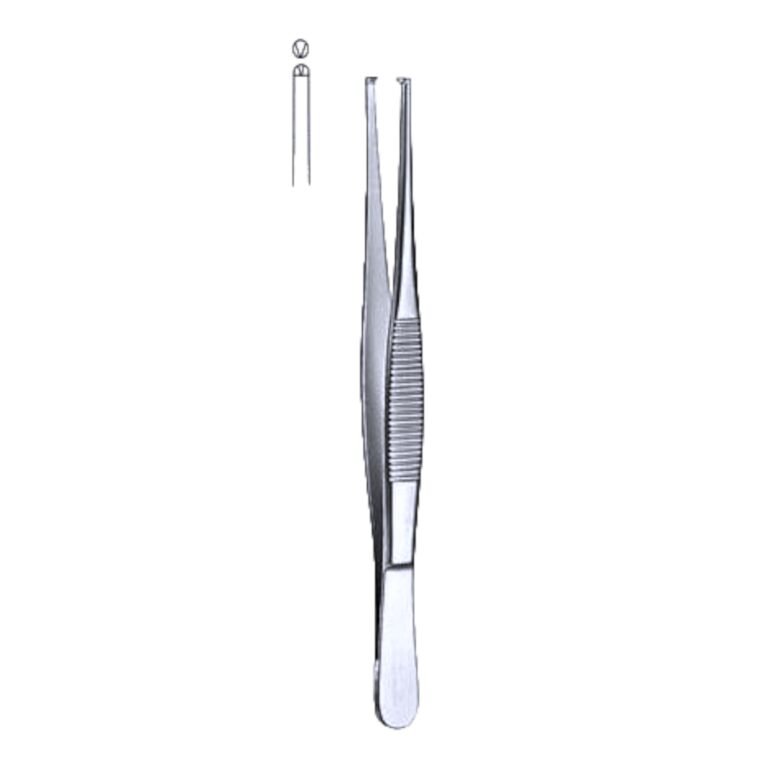
Backhaus Towel Forceps, Standard, 13NJM, CVD Tips | NJ Medical Instruments
In stock
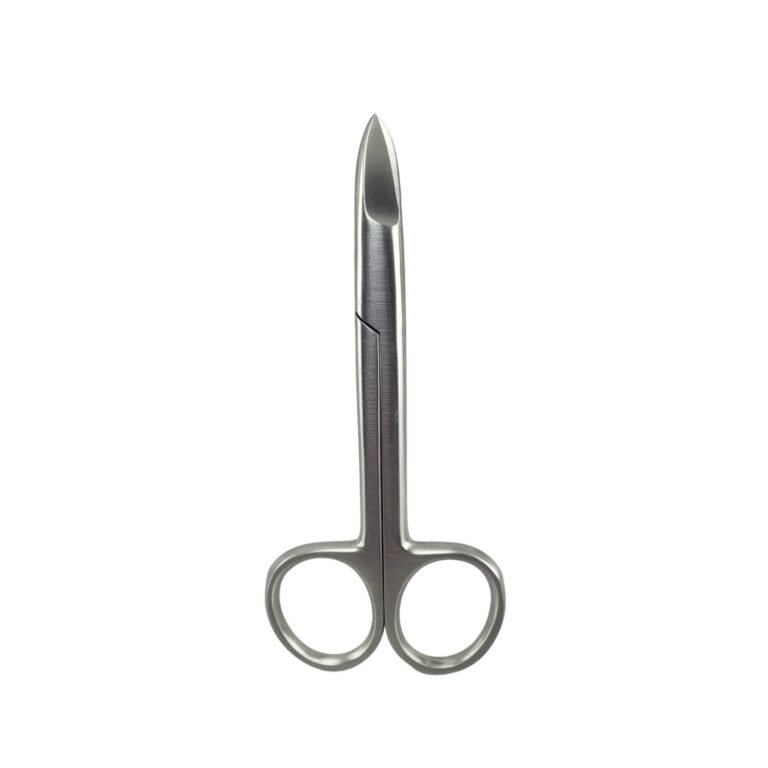
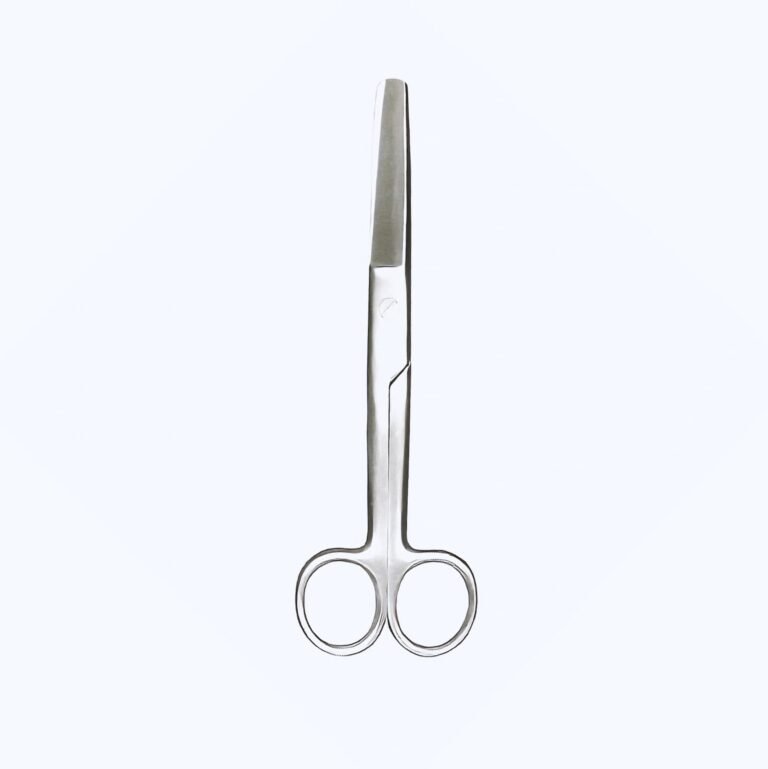
Crown Scissors, 4.5″ Straight | NJ Medical Instruments
In stock
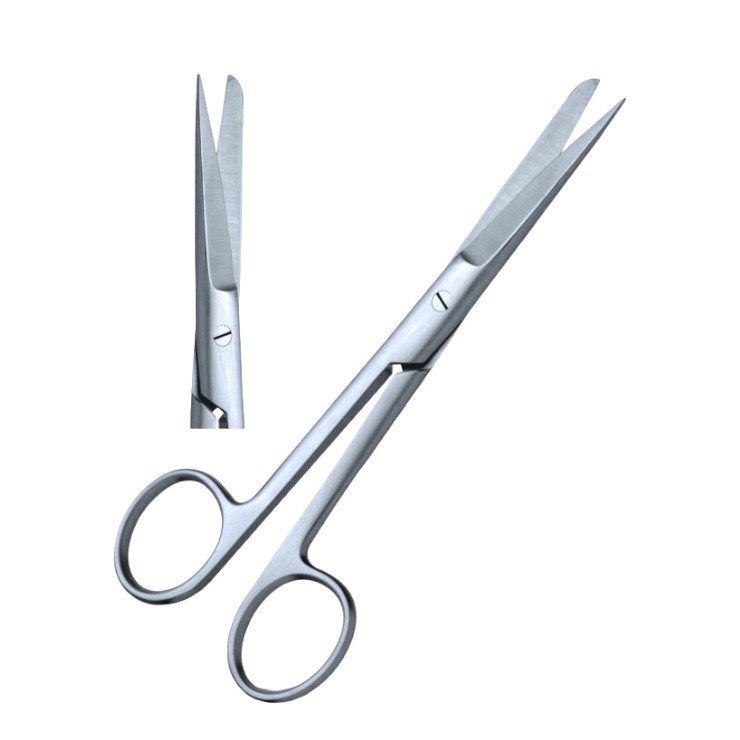
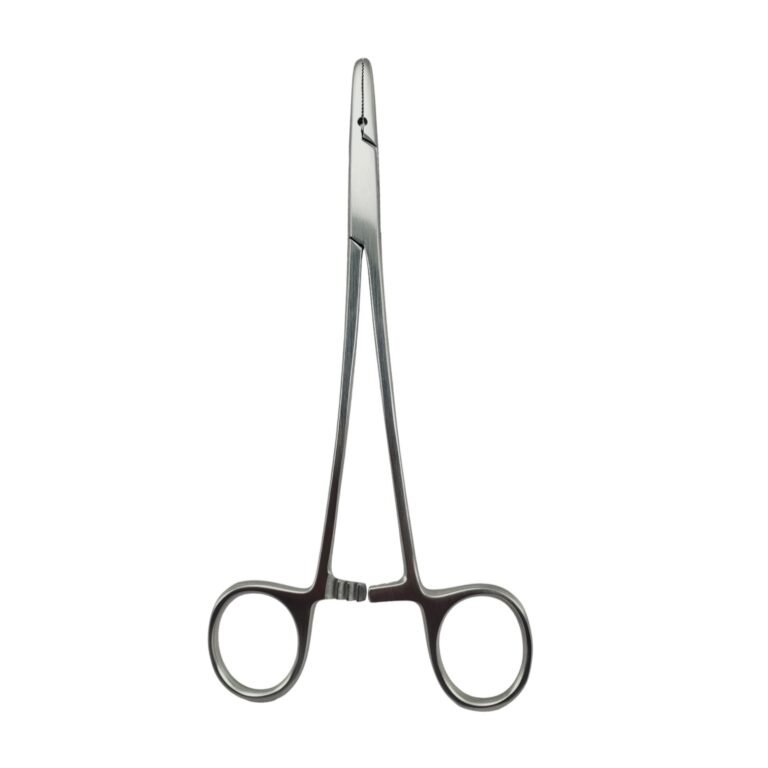
Hemostatic Mosquito Needle Holder | NJ Medical Instruments
In stock
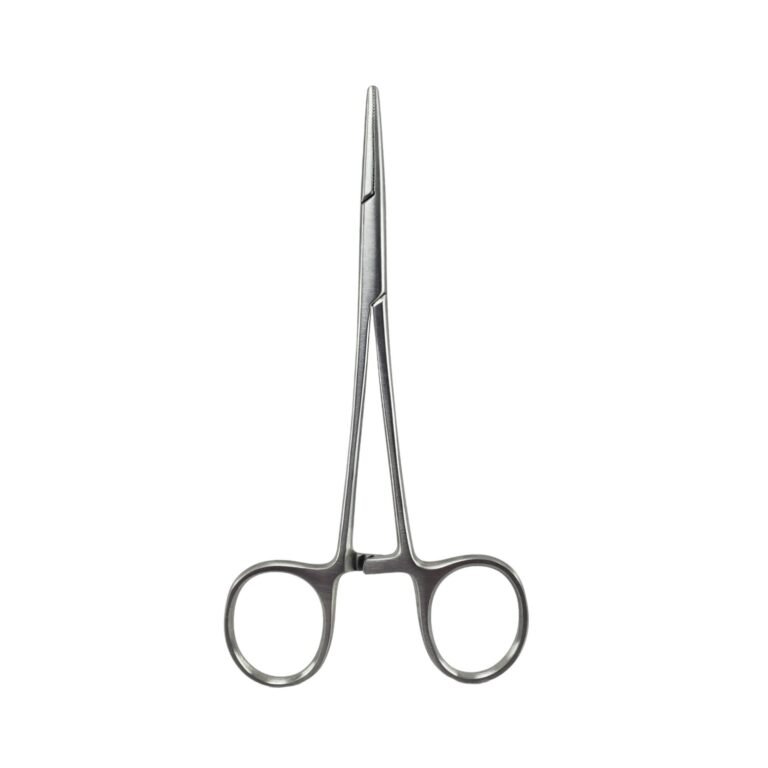
Kelly Hemostat Forceps Straight | NJ Medical Instruments
In stock
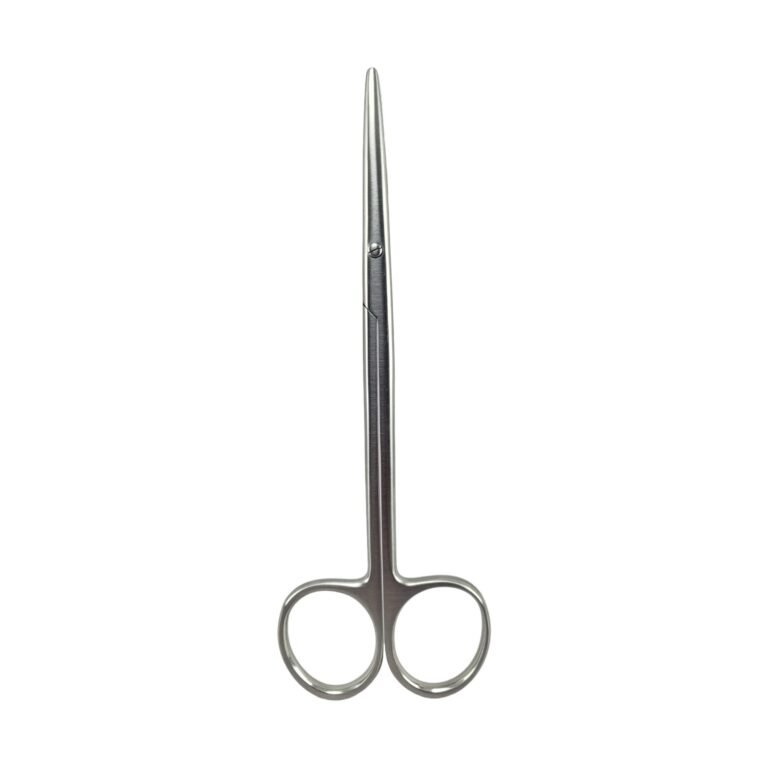
Metzenbaum-Fino Scissors, Straight | NJ Medical Instruments
In stock
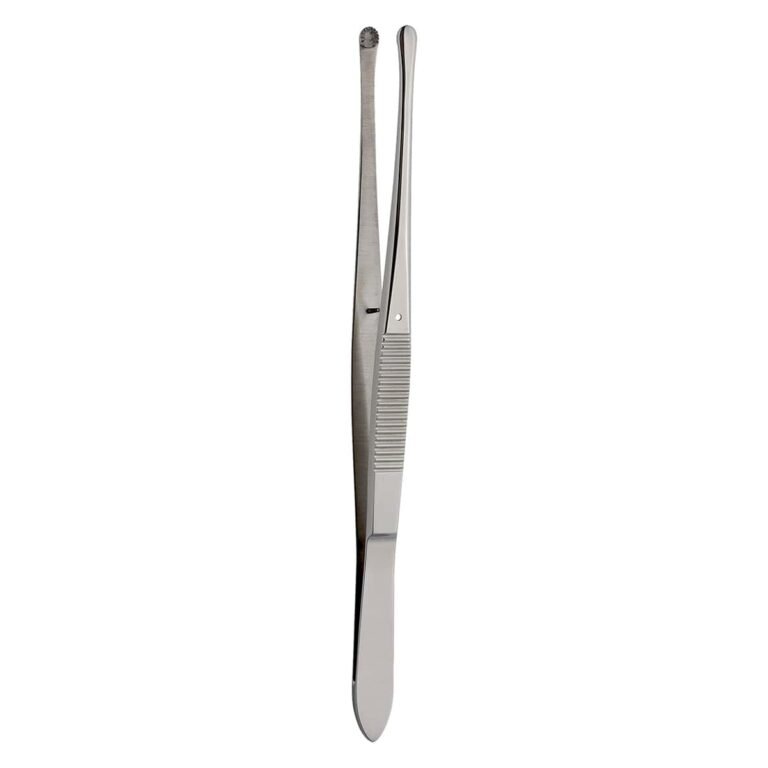
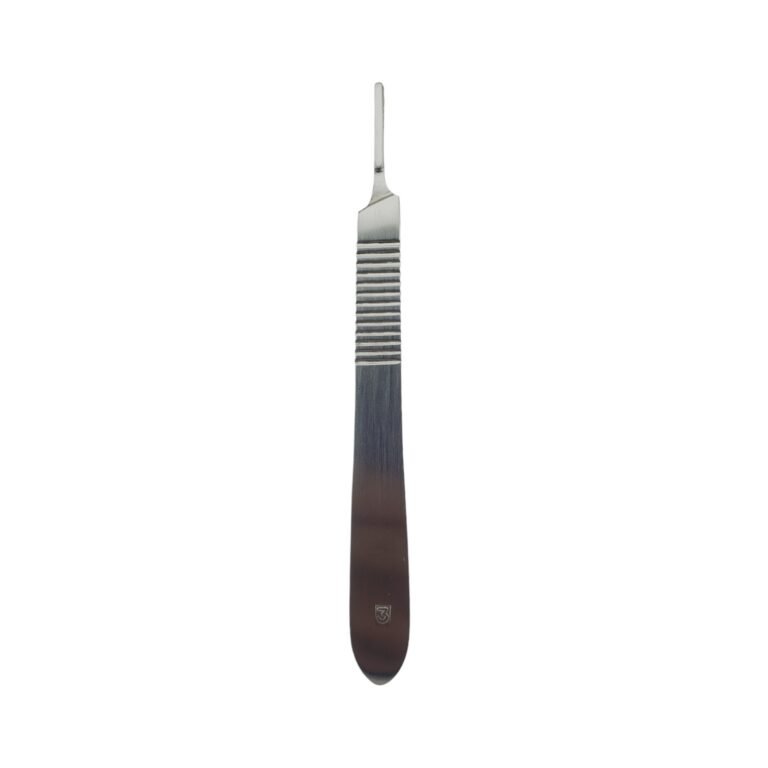
Scalpel Handle #3 | NJ Medical Instruments
In stock
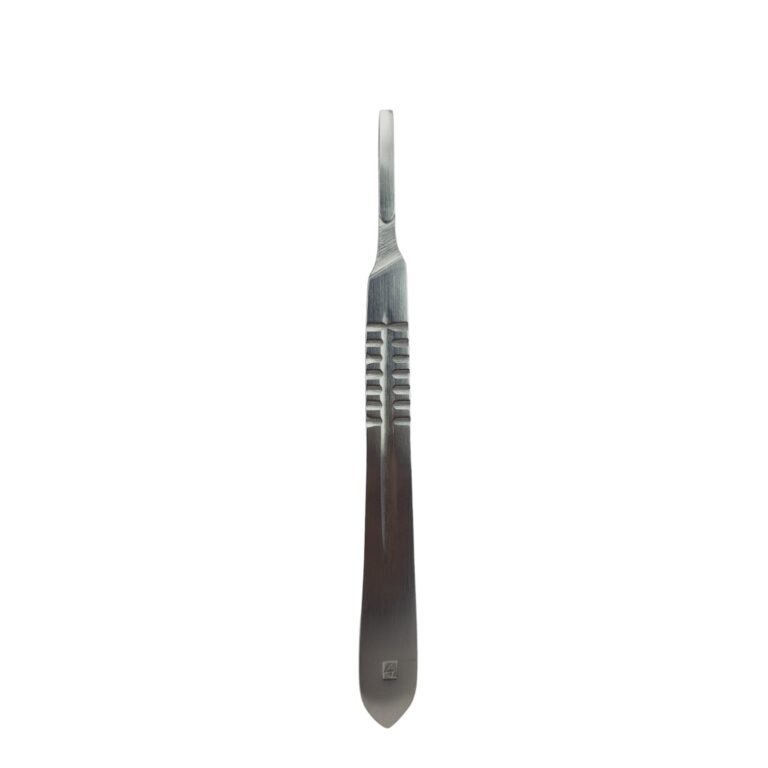
Scalpel Handle #4 | NJ Medical Instruments
In stock
NJ General Surgical Instruments: Everyday Theatre Essentials
This range covers the general surgical instruments that sit on almost every tray regardless of specialty — the everyday items a theatre reaches for in every case rather than the pattern-specific tools reserved for one procedure. These are the instruments that get used dozens of times a day and wear out fastest, which is why most departments buy them in depth and replace them on a rolling basis rather than waiting for a full set to be re-tendered. NJ Medical Instruments manufactures the range in surgical-grade stainless steel, supplied worldwide direct from the factory for individual purchase and for bulk, wholesale, and OEM/private-label supply.
What belongs in the everyday range
The distinction between a general instrument and a specialty one is simply how often it is reached for. Artery forceps, thumb forceps, scissors, needle holders, scalpel handles and retractors are needed in essentially every open procedure. A rhinoplasty osteotome or a Kerrison rongeur, by contrast, only appears when that specific operation is on the list. Stocking policy should follow that split: general instruments held in quantity with replacements available immediately, specialty instruments held as complete sets.
Buying for wear, not for the catalogue
General instruments fail predictably, and knowing how helps with specification. Scissors lose their edge, which is why tungsten carbide versions with replaceable cutting inserts pay for themselves on high-turnover instruments. Needle holders lose jaw serration and start letting the needle twist. Ratcheted forceps eventually fail to hold at the first tooth. None of these is a dramatic failure — they degrade gradually, and the surgeon usually notices before the inventory does, which is the argument for scheduled replacement rather than replacing on breakage.
Depth beats variety
The most common specification mistake is buying one of every pattern instead of several of the ones actually used. During haemostasis multiple artery forceps are in use simultaneously and none can be released until the vessel is tied, so a tray carrying six forceps in two working sizes serves a surgeon far better than one carrying twelve different patterns.
The everyday general surgical range
| Instrument | Function | Wear point to watch |
|---|---|---|
| Artery forceps | Clamping bleeding vessels | Ratchet no longer holds at first tooth |
| Thumb forceps | Grasping and stabilising tissue | Teeth misalign or tips no longer meet |
| Scissors | Cutting and dissecting | Edge dulls; blades separate on closing |
| Needle holders | Driving suture needles | Jaw serration wears; needle twists |
| Scalpel handles | Holding the blade | Blade fitting becomes loose |
| Retractors | Exposing the operative field | Blade bends; self-retaining lock slips |
| Towel clamps | Securing drapes | Points blunt or ratchet weakens |
Explore related surgical instruments
- All Surgical Instruments
- Surgical Scissors and Artery Forceps and Ligature Clamps
- Thumb Forceps and Needle Holders
- Hooks and Retractors
All manufactured in surgical-grade stainless steel to international standards, reusable and autoclavable, with worldwide shipping.
Bulk, wholesale & OEM supply
As a direct manufacturer, NJ Medical Instruments supplies general surgical instruments in bulk and wholesale quantities to hospitals, surgical centres, teaching institutions, and distributors. Because these are the fastest-turning items in a theatre inventory, they are commonly ordered in depth and on repeat schedules, and we can hold agreed specifications for repeat orders. OEM and private-label production with custom laser marking is available. Contact us by email at info@njmedicalinstruments.com or by WhatsApp for volume pricing — no minimum-order barriers, no middlemen.
Frequently asked questions
What counts as a general surgical instrument?
General surgical instruments are the items used in essentially every open procedure regardless of specialty: artery forceps, thumb forceps, scissors, needle holders, scalpel handles, retractors, and towel clamps. Specialty instruments, by contrast, are only used in one type of operation.
How often should general surgical instruments be replaced?
They degrade gradually rather than failing outright, so scheduled replacement works better than replacing on breakage. Watch for scissors that no longer cut cleanly, needle holders that let the needle twist, and ratchets that no longer hold at the first tooth.
Are tungsten carbide instruments worth it for everyday use?
On high-turnover cutting and gripping instruments, yes. Scissors and needle holders with tungsten carbide inserts hold their edge and grip far longer than plain stainless steel, and the inserts can often be replaced rather than the whole instrument. They are identified by gold handle rings.
How many of each instrument should a theatre stock?
Depth in the common sizes matters more than variety of patterns. Several artery forceps in two working sizes serve better than one of every pattern, because during haemostasis multiple forceps are in use simultaneously and none can be released until the vessel is tied.
Are these instruments reusable and autoclavable?
Yes. All our general surgical instruments are made from surgical-grade stainless steel, are fully reusable, and withstand repeated autoclave sterilisation.
Do you supply general surgical instruments in bulk or for OEM / private label?
Yes. As a direct manufacturer we supply general surgical instruments in bulk and wholesale quantities on one-off or repeat schedules, and offer OEM or private-label production to custom specifications. Contact us by email or WhatsApp for volume pricing.