


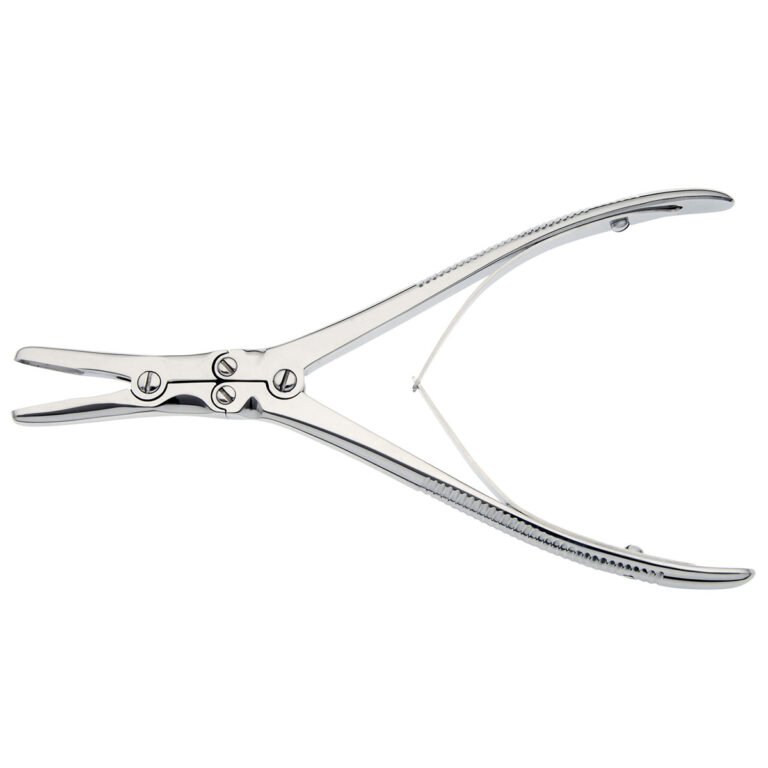
-15%
Ruskin-Bone Rongeur | NJ Medical Instruments
Bone Cutters and Rongeurs for Orthopedic Clinics, Hospitals, and Buyers Bone Rongeurs for Orthopedic Clinics, Hospitals, and Professional Buyers
In stock
Original price was: $ 47.$ 40Current price is: $ 40.
SKU:
NJM-26510
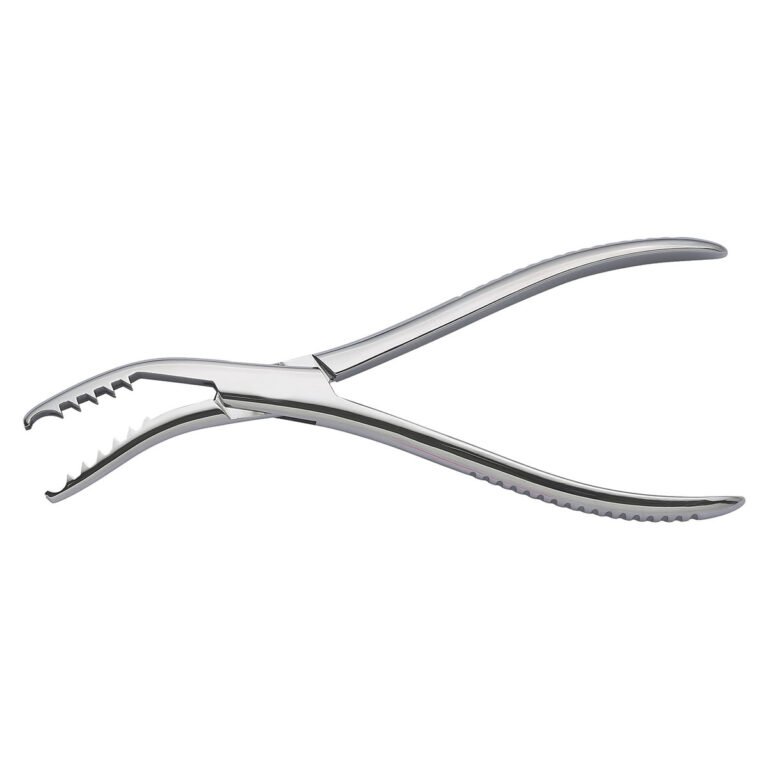
-15%
Semb Bone Holding Forceps | NJ Medical Instruments
Surgical Instruments for Clinics, Hospitals, and Professional Buyers Bone Cutters and Rongeurs for Orthopedic Clinics, Hospitals, and Buyers Bone Holding Forceps for Orthopedic Clinics, Hospitals, and Buyers
In stock
Original price was: $ 47.$ 40Current price is: $ 40.
Select options
This product has multiple variants. The options may be chosen on the product page
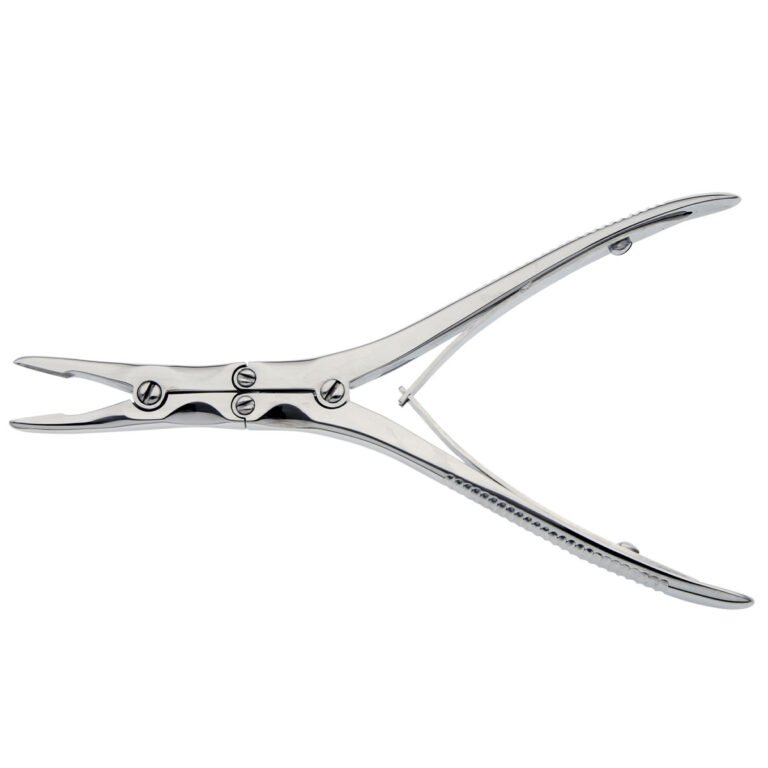
-15%
Short Bone Rongeur | NJ Medical Instruments
Bone Cutters and Rongeurs for Orthopedic Clinics, Hospitals, and Buyers Bone Rongeurs for Orthopedic Clinics, Hospitals, and Professional Buyers
In stock
Original price was: $ 47.$ 40Current price is: $ 40.
Select options
This product has multiple variants. The options may be chosen on the product page
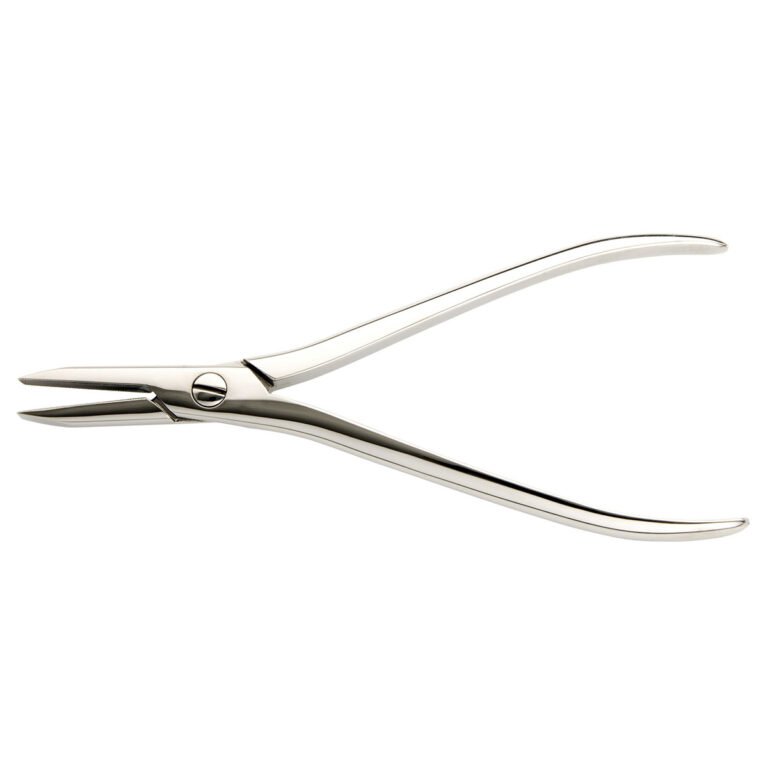
-18%
Stille Flat Pliers | NJ Medical Instruments
Bone Cutters and Rongeurs for Orthopedic Clinics, Hospitals, and Buyers Flat Pliers for Clinics, Laboratories, and Professional Buyers
In stock
Original price was: $ 45.$ 37Current price is: $ 37.
SKU:
NJM-26521
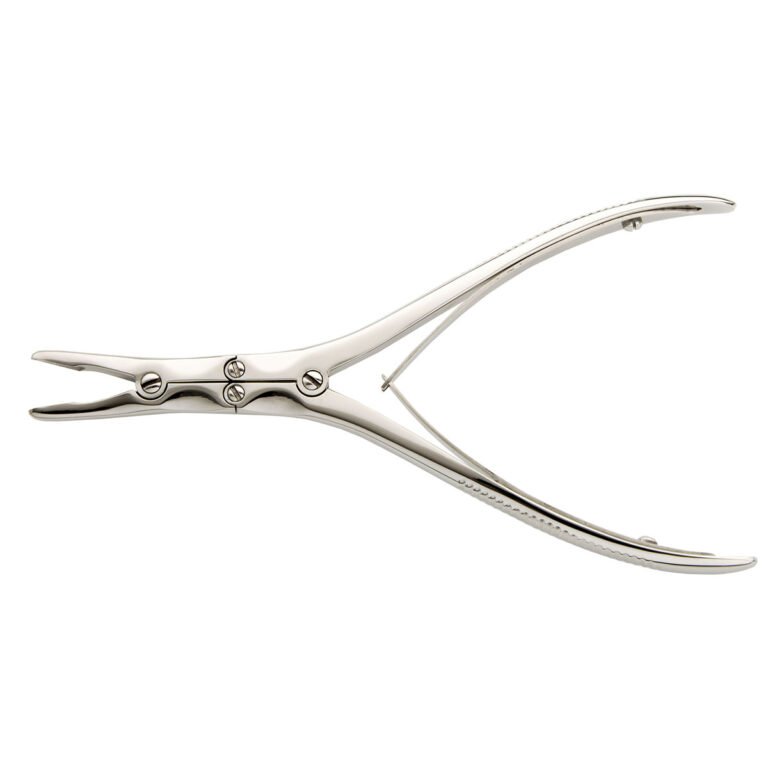
-15%
Zaufal-jansen Bone Rongeur | NJ Medical Instruments
Bone Cutters and Rongeurs for Orthopedic Clinics, Hospitals, and Buyers Bone Rongeurs for Orthopedic Clinics, Hospitals, and Professional Buyers
In stock
Original price was: $ 47.$ 40Current price is: $ 40.
Select options
This product has multiple variants. The options may be chosen on the product page
Bone Cutters & Rongeurs: Cutting, Nibbling & Trimming Bone
Bone cutters and rongeurs both remove bone, but they work in opposite ways — and choosing the wrong one is how bone gets shattered instead of shaped. A bone cutter has two sharpened blades that meet like heavy scissors and divide bone in a single decisive cut, which is what you want when a rib, a phalanx, or a bone graft has to be sectioned cleanly. A rongeur has cup-shaped jaws that bite out small pieces, removing bone progressively in nibbles. When the goal is to shape an edge, decompress a nerve root, or work close to something delicate, progressive removal is the safer method because each bite is small and reversible in a way a full cut is not. NJ Medical Instruments manufactures both in surgical-grade stainless steel, supplied worldwide direct from the factory for individual purchase and for bulk, wholesale, and OEM/private-label supply.Single vs double action
The distinction matters most on dense bone. A single-action instrument transmits the surgeon's hand force directly to the jaws — simple, and adequate for smaller bone. A double-action instrument adds a second hinge, which multiplies leverage so the same hand force produces substantially more cutting power at the jaws. For cortical bone and larger rongeurs, double action is what makes the instrument usable without excessive effort, and it reduces the hand fatigue that accumulates over a long case.Common patterns
Liston bone cutters are the general-purpose cutting pattern, straight or curved. Kerrison rongeurs use a footplate and punch action to remove bone safely away from dura and nerve roots. Luer and Stille-Luer rongeurs have broad cup jaws for general bone nibbling, and pituitary rongeurs have long shafts with fine cups for deep, narrow corridors.Which instrument do you need?
| Instrument | Action | Best for |
|---|---|---|
| Bone cutter (Liston) | Two blades meet & divide | Sectioning bone in one cut |
| Luer rongeur | Cup jaws bite | General bone nibbling & shaping |
| Kerrison rongeur | Footplate + punch | Safe removal near dura & nerves |
| Pituitary rongeur | Long shaft, fine cups | Deep, narrow corridors |
| Single action | One hinge | Smaller bone, simpler cuts |
| Double action | Two hinges, more leverage | Dense cortical bone, less fatigue |
Explore related surgical instruments
- Curettes, Raspatories & Elevators
- Spinal Surgical Instrumentation
- Osteotomes & Rasps
- All Surgical Instruments