


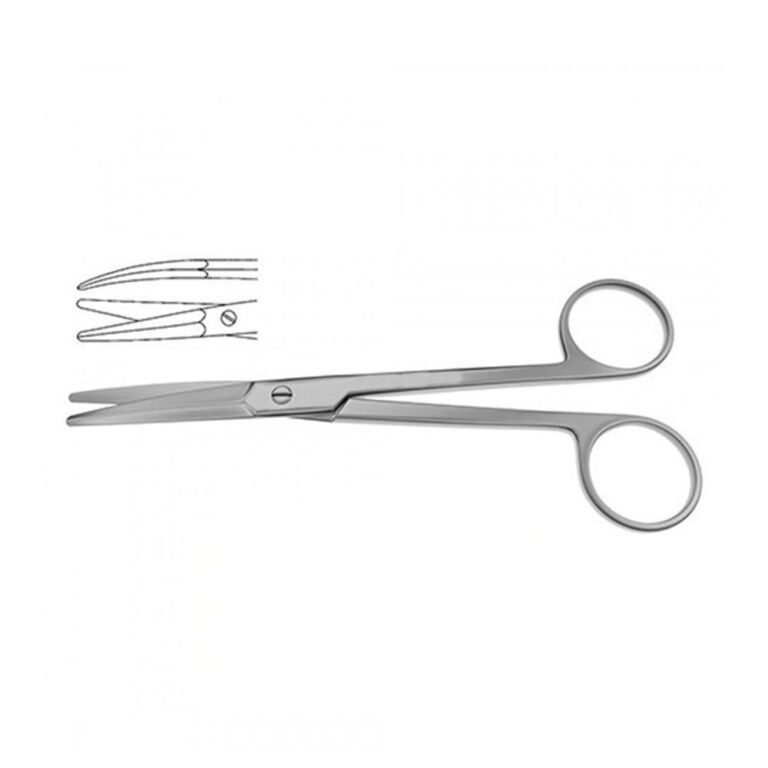
Aufricht Dissecting Scissors triangular blades | NJ Medical Instruments
In stock
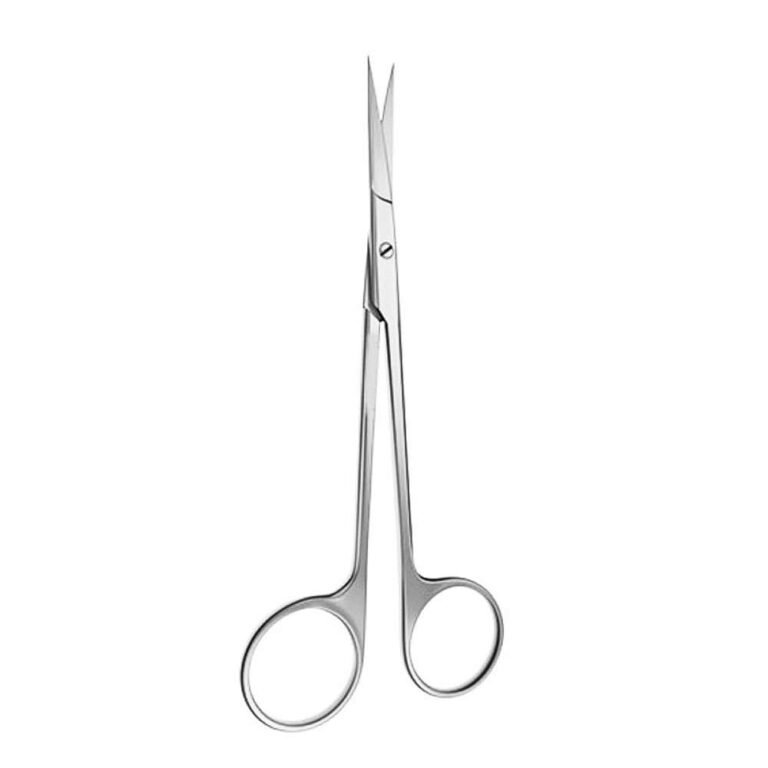
Aufricht Fine Scissors straight Blades | NJ Medical Instruments
In stock
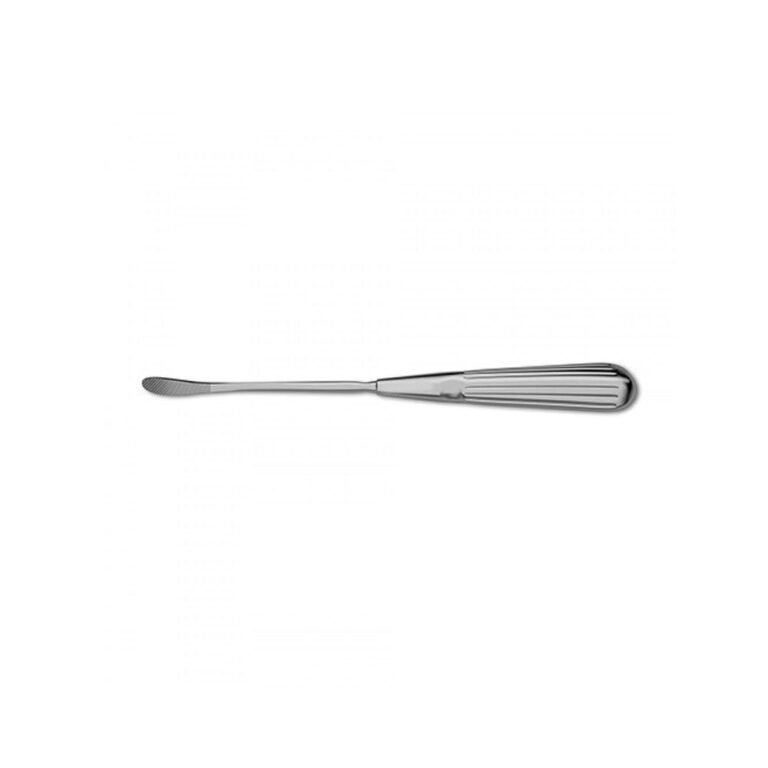
Aufricht Glabella Rasp – Cross serrated Curved backward Up & Down Cutting | NJ Medical Instruments
In stock
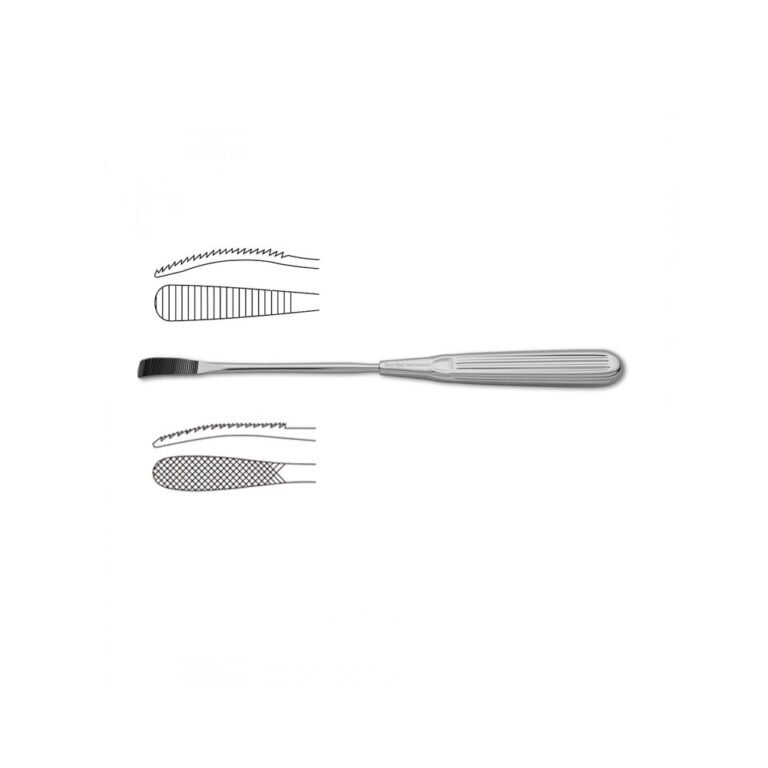
Aufricht Nasal Rasp curved | NJ Medical Instruments
In stock
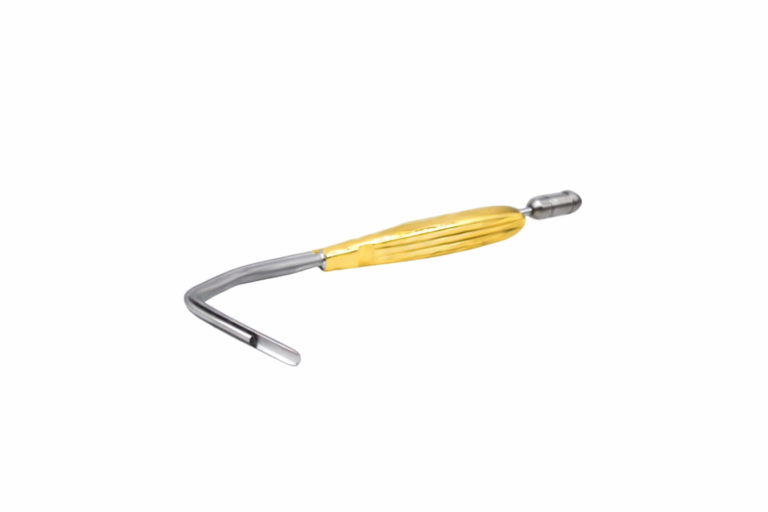
Aufricht Nasal Retractor – Fiber Optic | NJ Medical Instruments
In stock
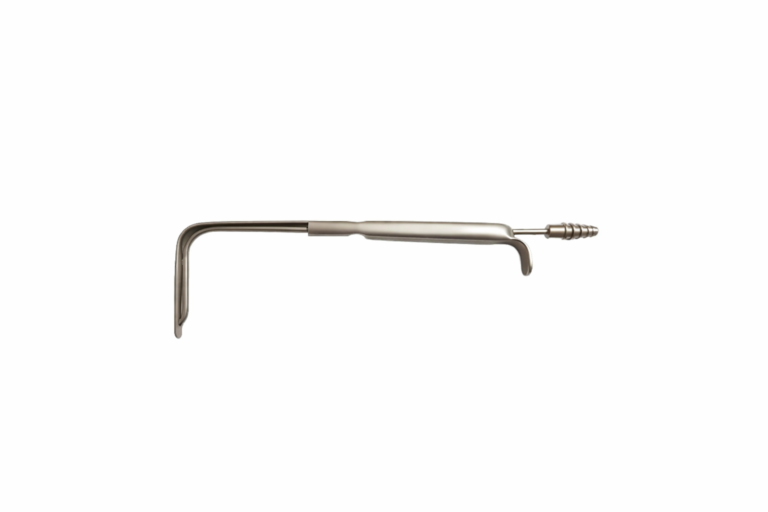
Aufricht Nasal Retractor – Fiber Optic | NJ Medical Instruments
In stock
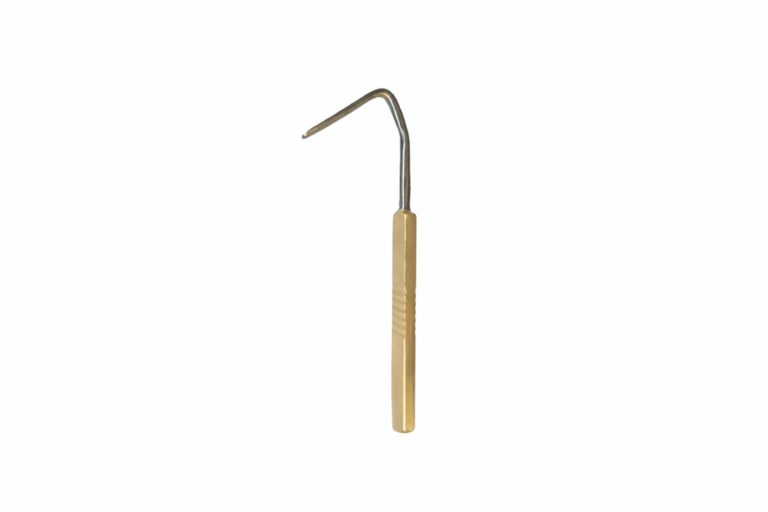
Aufricht nasal retractor 17cm, angled down | NJ Medical Instruments
In stock
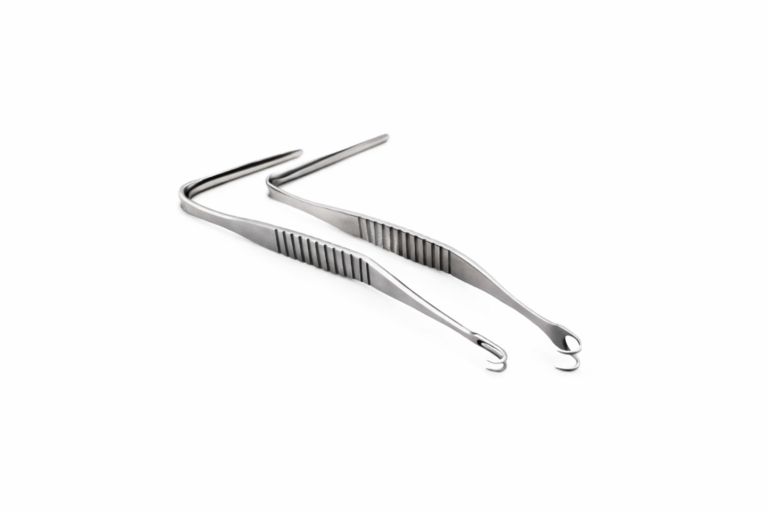
Aufricht Nasal Retractor, 13.5cm, 42X7 mm, Double Ended, Stainless Steel | NJ Medical Instruments
In stock
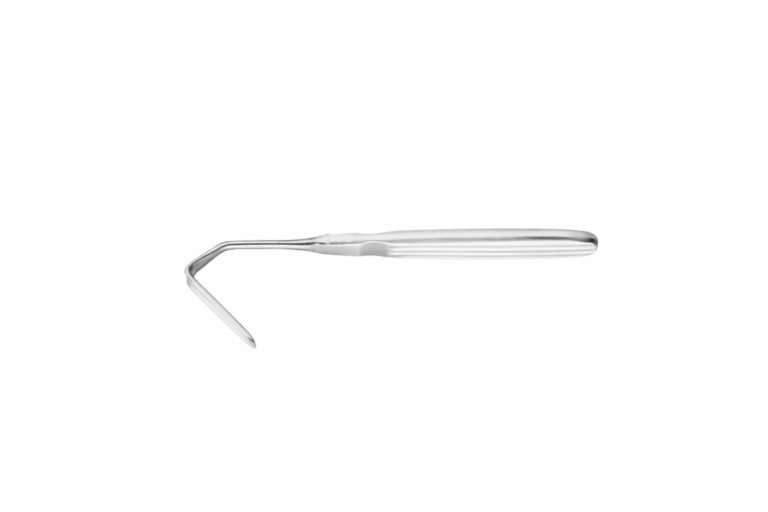
Aufricht Retractor Solid Blade, 6″, Stainless Steel (Reusable) | NJ Medical Instruments
In stock
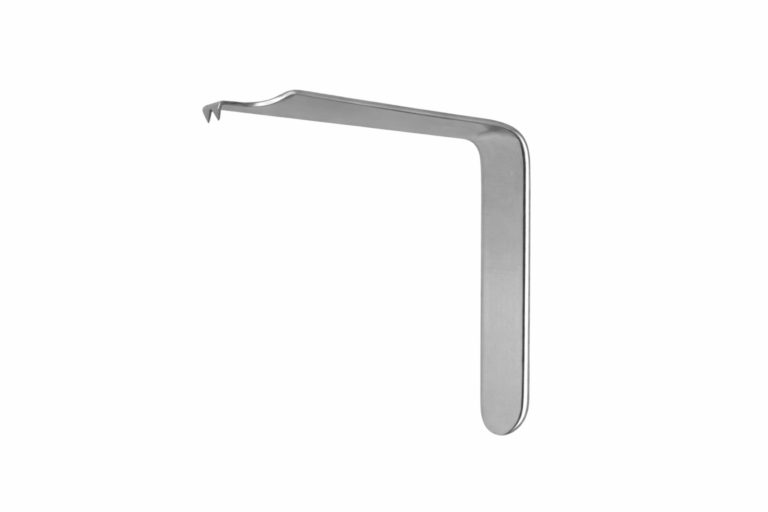
Austin Tissue & Cheek Retractor | NJ Medical Instruments
In stock
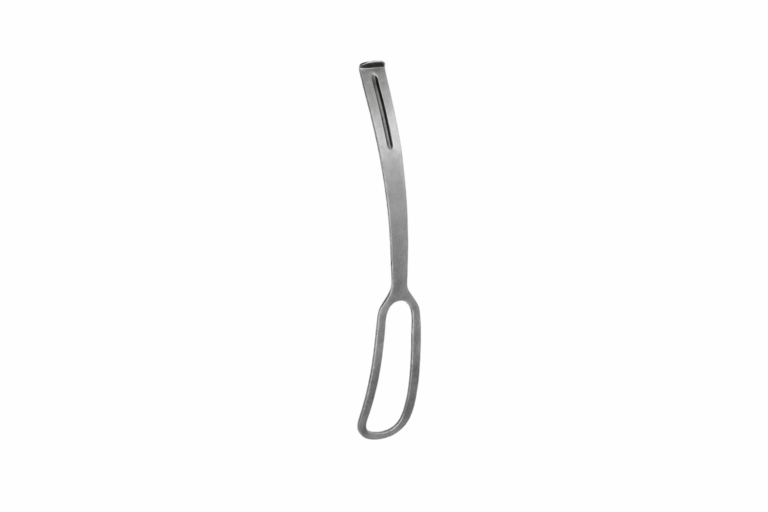
Awty Condylar Neck Retractor 22cm Stainless Steel | NJ Medical Instruments
In stock
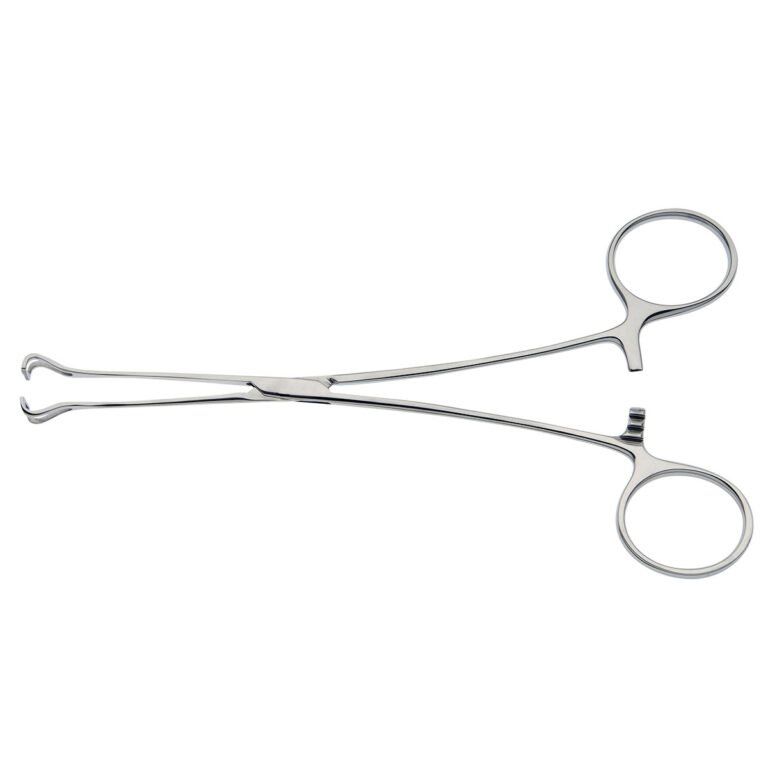
Babcock Intestinal Grasping Forceps | NJ Medical Instruments
In stock
Plastic Surgery Instruments: A Complete Range for Reconstructive & Aesthetic Surgery
Plastic surgery instruments are the specialised hand tools used in reconstructive and aesthetic procedures — from rhinoplasty and facelifts to breast surgery, body contouring, and skin grafting. They span fine dissectors and elevators for atraumatic tissue handling, delicate thumb forceps and scissors, nasal and cartilage instruments for rhinoplasty, osteotomes and rasps for bone and cartilage work, and precise measuring and marking instruments for symmetry. NJ Medical Instruments manufactures the full range in surgical-grade stainless steel, supplied worldwide direct from the factory for individual purchase and for bulk, wholesale, and OEM/private-label supply.
The main groups of plastic surgery instruments
Dissectors & elevators lift and separate tissue planes with minimal trauma — essential in facelift, endoscopic brow lift, and flap work where preserving the blood supply matters. Their rounded, polished working ends slide between layers rather than cutting them.
Thumb forceps grasp and stabilise delicate tissue during suturing and dissection. Fine-toothed and smooth patterns let the surgeon hold skin, fascia, and vessels securely without crushing.
Scissors — dissecting, undermining, and suture scissors — cut and separate tissue. SuperCut and tungsten-carbide patterns hold a sharper edge for longer in fine aesthetic work.
Osteotomes, rasps, chisels & files shape bone and cartilage. In rhinoplasty they refine the nasal dorsum and hump; in other reconstructive work they contour bony surfaces precisely and controllably.
Nasal & cartilage instruments and mallets support rhinoplasty and grafting, while measuring & marking instruments — calipers, rulers, and areola markers — secure the symmetry that aesthetic outcomes depend on.
Hooks, retractors, ring forceps, clamps, and needle holders complete the field — exposing the operative site, controlling vessels, and driving sutures with accuracy.
Which plastic surgery instrument group do you need?
| Instrument group | Typical procedures | Primary role |
|---|---|---|
| Dissectors & elevators | Facelift, brow lift, flaps | Atraumatic tissue-plane separation |
| Thumb forceps | Suturing, dissection | Grasp and stabilise delicate tissue |
| Scissors | Undermining, suture removal | Cut and separate tissue |
| Osteotomes & rasps | Rhinoplasty, bone contouring | Shape bone and cartilage |
| Measuring & marking | Breast surgery, symmetry planning | Mark and measure for symmetry |
| Hooks & retractors | All open procedures | Expose the operative field |
| Needle holders | Closure, fine suturing | Drive and control the needle |
Shop plastic surgery instruments by type
Browse each range and buy individually, or request bulk pricing:
- Dissectors & Elevators
- Thumb Forceps
- Scissors
- Osteotomes, Rasps, Chisels & Files
- Measuring & Marking Instruments
- Hooks & Retractors
- Needle Holders
- Nasal Forceps & Mallets & Cartilage Instruments
All manufactured in surgical-grade stainless steel to international standards, reusable and autoclavable, with worldwide shipping.
Bulk, wholesale & OEM supply for plastic surgery instruments
As a direct manufacturer, NJ Medical Instruments supplies plastic and reconstructive surgery instruments in bulk and wholesale quantities to hospitals, aesthetic clinics, surgical centres, and distributors, and produces OEM / private-label instruments and complete procedure sets to custom specifications and laser marking. Contact us by email at info@njmedicalinstruments.com or by WhatsApp for volume pricing — no minimum-order barriers, no middlemen.
Frequently asked questions
What instruments are used in plastic surgery?
Plastic surgery uses dissectors and elevators for tissue-plane separation, thumb forceps and scissors for handling and cutting tissue, osteotomes, rasps and chisels for shaping bone and cartilage, nasal and cartilage instruments for rhinoplasty, measuring and marking instruments for symmetry, and hooks, retractors, ring forceps, clamps and needle holders for exposure, control and closure.
What instruments are used in rhinoplasty?
Rhinoplasty typically uses osteotomes and rasps to refine the nasal bones and dorsal hump, nasal scissors and fine dissectors to separate tissue, cartilage instruments and a mallet for grafting, and fine forceps and needle holders for closure.
What is the difference between a dissector and an elevator?
Both separate tissue with minimal trauma. A dissector is generally used to develop planes between soft-tissue layers, while an elevator is used to lift tissue — such as periosteum or a flap — away from an underlying surface. Many plastic surgery instruments combine both functions in one double-ended design.
What are areola markers used for?
Areola markers are circular measuring instruments used in breast surgery to mark a precise, symmetrical areola diameter on each side before incision, helping achieve balanced aesthetic results.
What steel are plastic surgery instruments made from?
Quality plastic surgery instruments are made from surgical-grade stainless steel, which resists corrosion, withstands repeated autoclave sterilisation, and holds a fine edge or polished working surface for delicate aesthetic work. NJ Medical Instruments manufactures its full range to international standards.
Do you supply plastic surgery instruments in bulk or for OEM / private label?
Yes. As a direct manufacturer we supply all plastic surgery instruments in bulk and wholesale quantities and offer OEM / private-label production, including complete procedure sets, to custom specifications. Contact us by email or WhatsApp for volume pricing.