


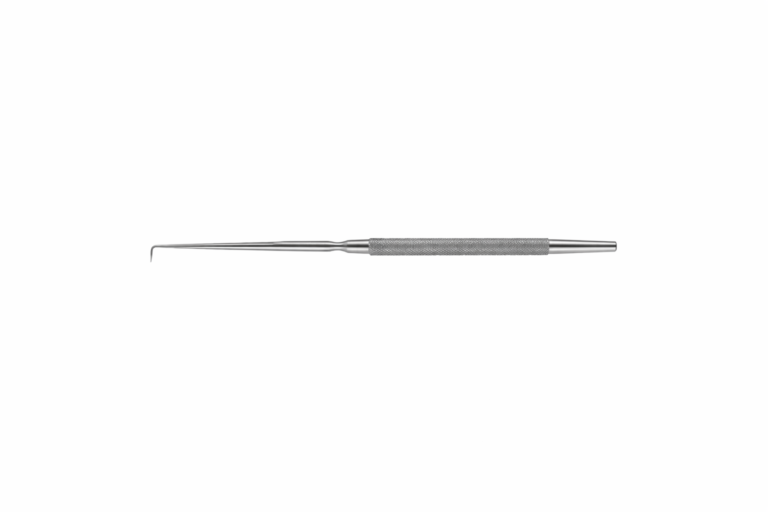
Adson Dura and Nerve Hook, 20 cm – 3 mm Tip
In stock
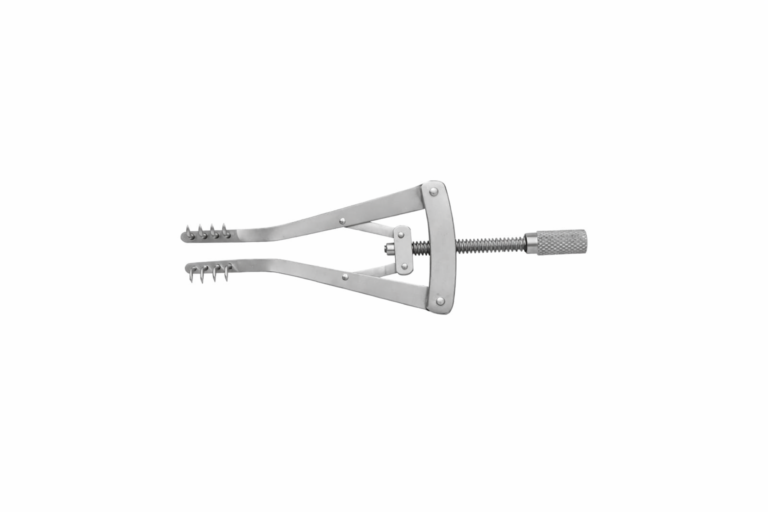
ALM Self-Retaining Retractor – 4×4 Prongs
In stock
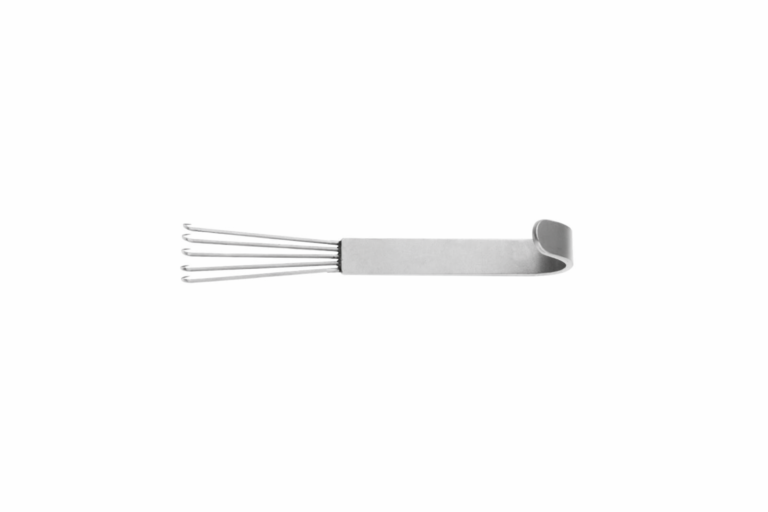
Anderson Bear Claw Retractor, 12 cm
In stock
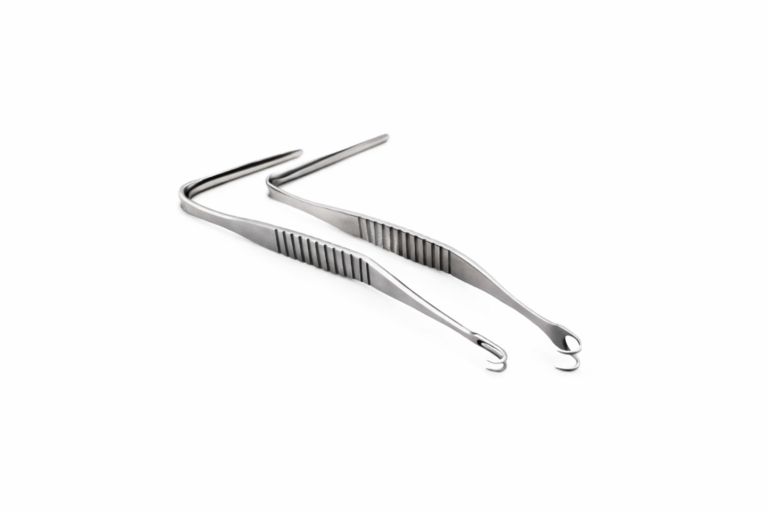
Aufricht Nasal Retractor, 13.5 cm – Double-Ended, 42 × 7 mm
In stock
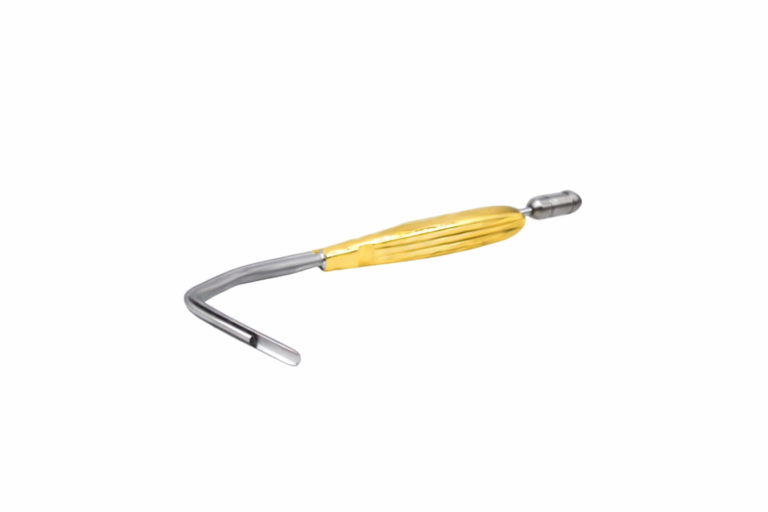
Aufricht Nasal Retractor, 15.9 cm – Fibre Optic, 7 mm Concave Blade
In stock
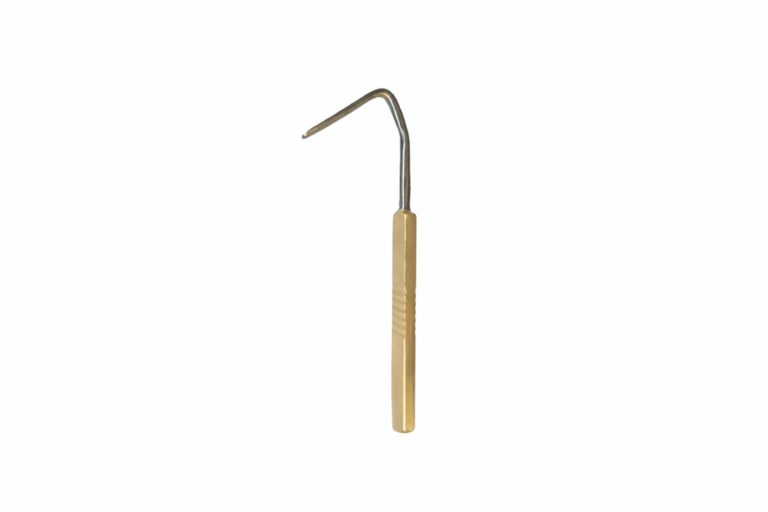
Aufricht Nasal Retractor, 17 cm – Angled Down
In stock
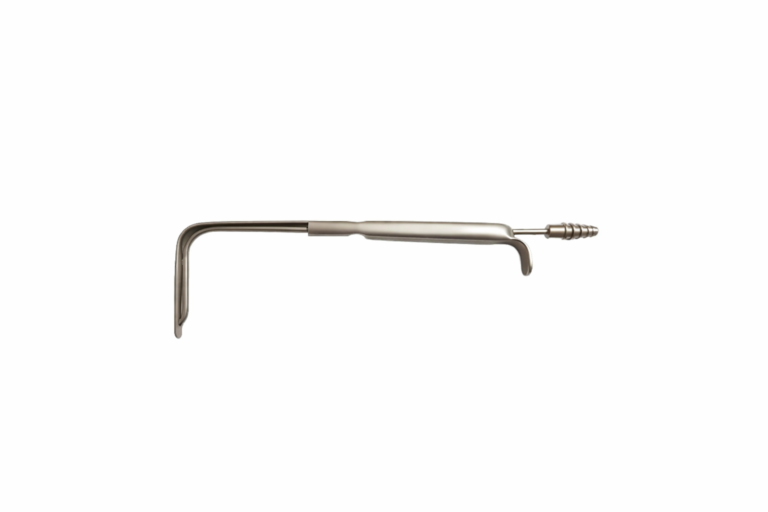
Aufricht Nasal Retractor, 20 cm – Fibre Optic with Suction
In stock
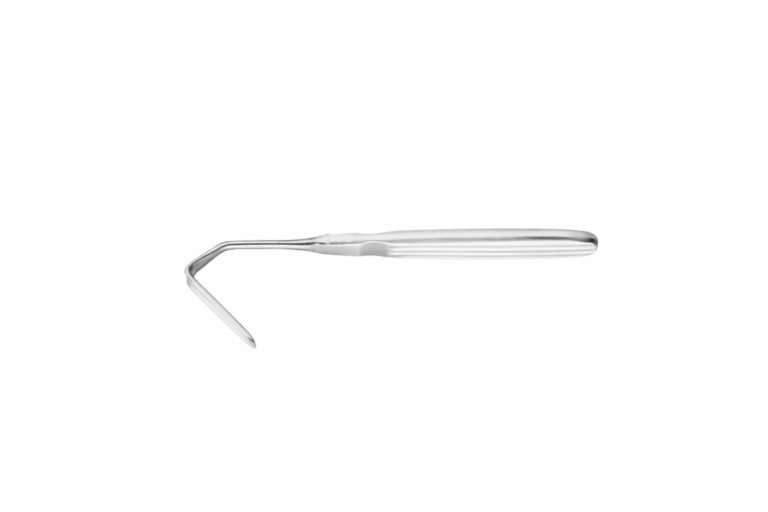
Aufricht Retractor, 152 mm – 8 mm Solid Blade
In stock
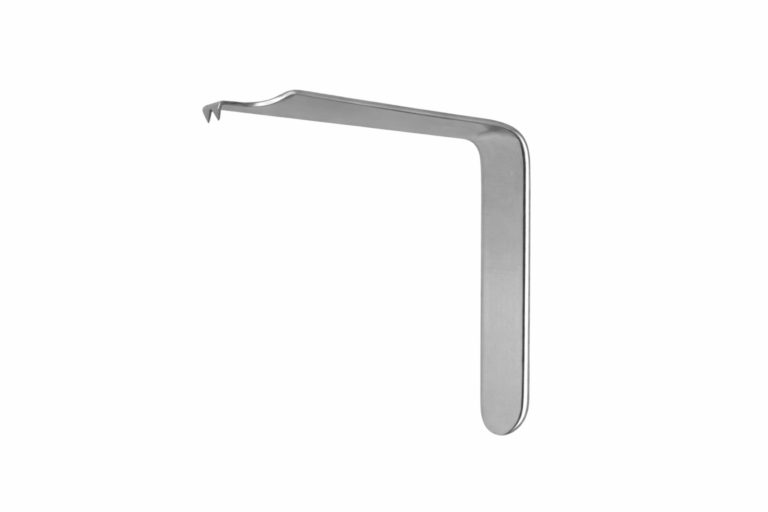
Austin Tissue and Cheek Retractor – 75 × 15 mm Blade
In stock
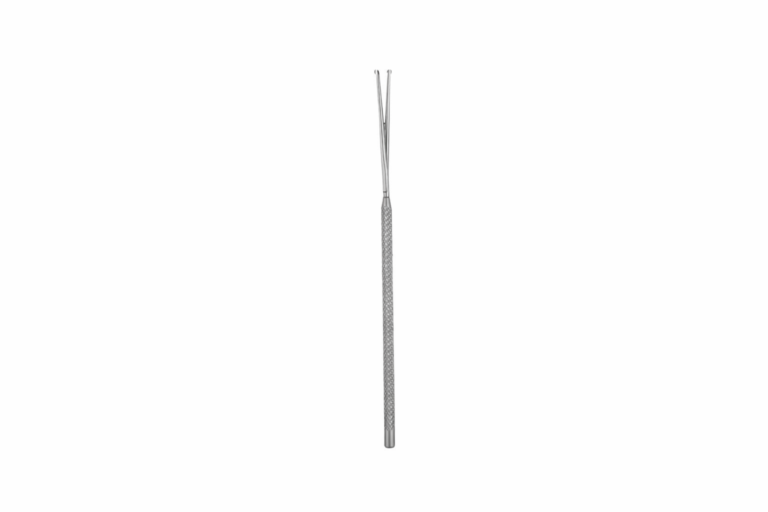
Barsky Double Skin Hook, 14 cm – 5 mm, Double-Ended
In stock
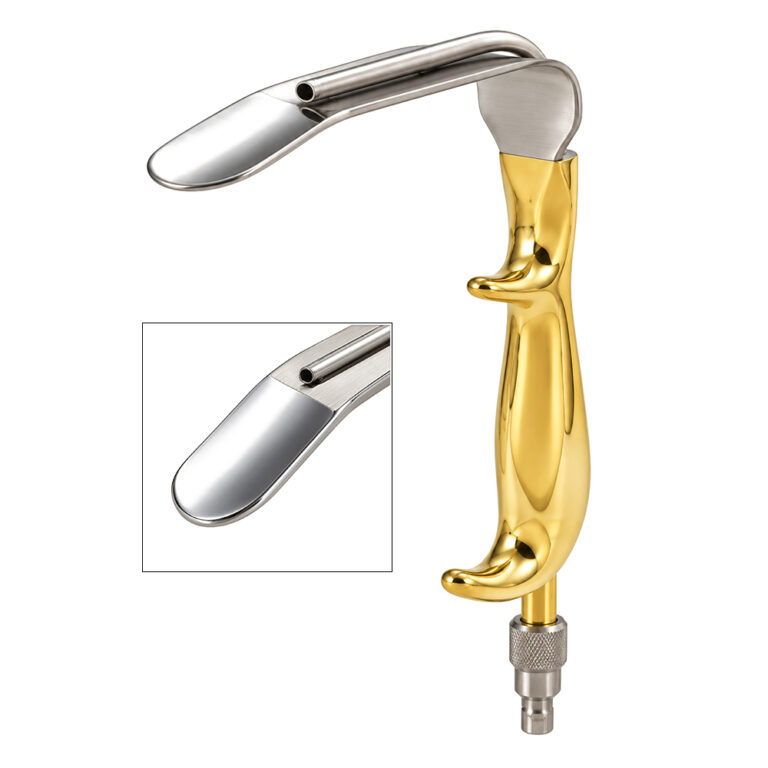
Ferriera Style Fiber Optic Retractors
In stock
| Instrument Type | Ferriera Style Fiber Optic Retractor |
|---|---|
| Blade Design | Concave, Curved-Down Rounded Tip |
| Blade Material | Stainless Steel |
| Handle Material | Gold-Plated Stainless Steel |
| Light Carrier | Removable |
| Light-Carrier Diameter | 5 mm |
| Blade Size | 14 mm × 7 cm, 16 mm × 8 cm, 16 mm × 15 cm, 18 mm × 23 cm, 23 mm × 10 cm, 23 mm × 12 cm, 23 mm × 15 cm, 23 mm × 18 cm, 25 mm × 10 cm, 25 mm × 12 cm, 25 mm × 15 cm, 25 mm × 18 cm, 30 mm × 12 cm, 30 mm × 15 cm, 30 mm × 23 cm |
| Suction | Without Suction, With Suction |
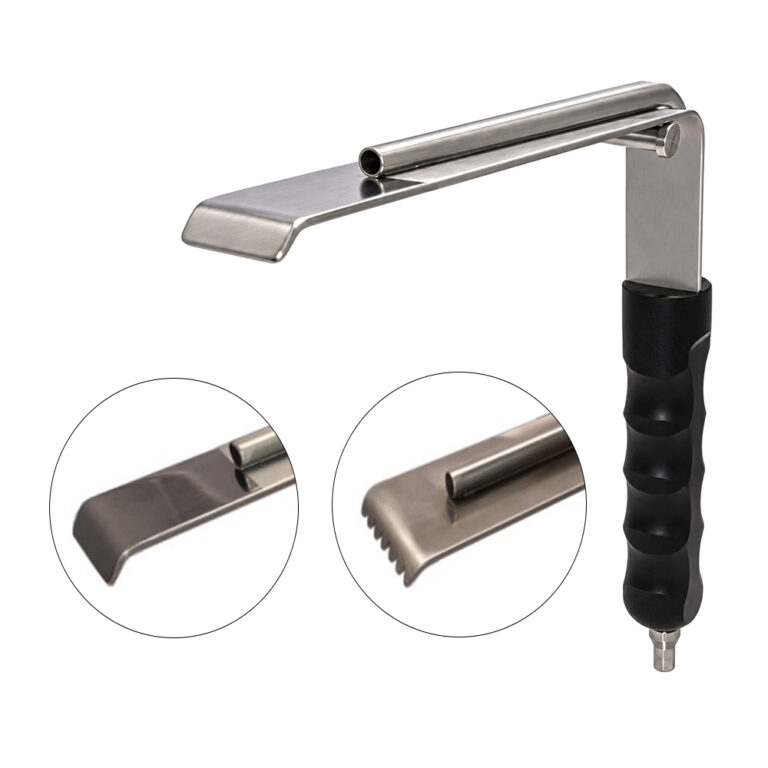
Fiber Optic Retractor – Right Angle Blade
In stock
| Instrument Type | One-Piece Fiber Optic Retractor |
|---|---|
| Blade Design | Right Angle |
| Blade Material | Stainless Steel |
| Handle Material | Thermoplastic |
| Light Carrier | Fixed, Laser Welded |
| Light-Carrier Diameter | 5 mm |
| Blade Size | 14 mm × 7 cm, 16 mm × 9 cm, 25 mm × 10 cm, 25 mm × 15 cm, 25 mm × 20 cm, 25 mm × 25 cm, 38 mm × 12 cm, 38 mm × 18 cm, 38 mm × 25 cm |
| Tip Style | Right Angle Smooth, Right Angle with Teeth |
| Suction | Without Suction, With Suction |
Hooks & Retractors: Skin Hooks, Channel & Self-Retaining Retractors
Hooks and retractors hold tissue and wound edges aside to expose the operative field. Skin hooks and flesh hooks are fine hand-held instruments that lift skin edges and delicate tissue with a single or multi-pronged tip; retractors hold larger structures aside, either hand-held or self-retaining to free the surgeon's hands. NJ Medical Instruments manufactures the full range in surgical-grade stainless steel — including skin hooks, channel, Obwegeser, and self-retaining retractors — supplied worldwide direct from the factory for individual purchase and for bulk, wholesale, and OEM/private-label supply.
Hooks vs retractors
Skin & flesh hooks have sharp or blunt single, double, or triple prongs. They gently lift skin edges and superficial tissue in fine plastic and reconstructive work without crushing.
Hand-held retractors — such as Langenbeck, Senn, and channel patterns — are held by an assistant to hold tissue aside during the procedure.
Self-retaining retractors lock open with a ratchet or frame to hold the wound apart without an assistant, freeing the surgeon's hands.
Channel and Obwegeser retractors are shaped for maxillofacial and mandibular surgery, holding tissue away from bone in confined fields.
Which hook or retractor do you need?
| Type | Held by | Best for |
|---|---|---|
| Skin / flesh hooks | Hand-held | Lifting skin edges & fine tissue |
| Hand-held retractors | Assistant | Holding tissue aside |
| Self-retaining retractors | Locks open | Hands-free wound exposure |
| Channel / Obwegeser | Hand-held | Maxillofacial & mandibular surgery |
| Nerve hooks | Surgeon, single hand | Lifting and isolating a nerve or fine vessel without crushing it |
| Double-ended retractors | Assistant | Two blade widths on one instrument for changing exposure |
| Ribbon / malleable retractors | Assistant | Bending to the contour of the cavity and holding that shape |
| Vein and rake retractors | Assistant or self-retaining | Superficial work where prongs spread load across the wound edge |
Explore related plastic surgery instruments
All manufactured in surgical-grade stainless steel to international standards, reusable and autoclavable, with worldwide shipping.
Bulk, wholesale & OEM supply
As a direct manufacturer, NJ Medical Instruments supplies hooks and retractors in bulk and wholesale quantities to hospitals, clinics, and distributors, and produces OEM / private-label instruments to custom specifications and laser marking. Contact us by email at info@njmedicalinstruments.com or by WhatsApp for volume pricing — no minimum-order barriers, no middlemen.
Frequently asked questions
What is the difference between a hook and a retractor?
A hook is a fine hand-held instrument that lifts skin edges and delicate tissue with a pronged tip. A retractor holds larger structures or wound edges aside to expose the operative field, and can be hand-held or self-retaining. Hooks lift fine tissue; retractors hold larger areas open.
What are skin hooks used for?
Skin hooks are used to gently lift and hold skin edges during fine plastic, reconstructive, and closure work, giving precise control without crushing the tissue. They come with single, double, or triple prongs and sharp or blunt tips.
What is a self-retaining retractor?
A self-retaining retractor locks open with a ratchet or frame to hold a wound apart without an assistant, freeing the surgeon's hands during the procedure.
What is a channel retractor used for?
A channel retractor is a shaped retractor used mainly in maxillofacial and mandibular surgery to hold soft tissue away from bone in confined operative fields, such as around the mandible.
Do you supply hooks and retractors in bulk or for OEM / private label?
Yes. As a direct manufacturer we supply all hooks and retractors in bulk and wholesale quantities and offer OEM / private-label production to custom specifications. Contact us by email or WhatsApp for volume pricing.
Should I choose a hand-held or a self-retaining retractor?
It depends on whether you have an assistant and how long the exposure must hold. A hand-held retractor gives continuous control and can be adjusted instantly, but it occupies a pair of hands for the whole procedure. A self-retaining retractor holds a fixed opening without help, which frees the assistant but applies constant pressure to the wound edge, so it suits shorter exposures or cases where the retraction position will not change.