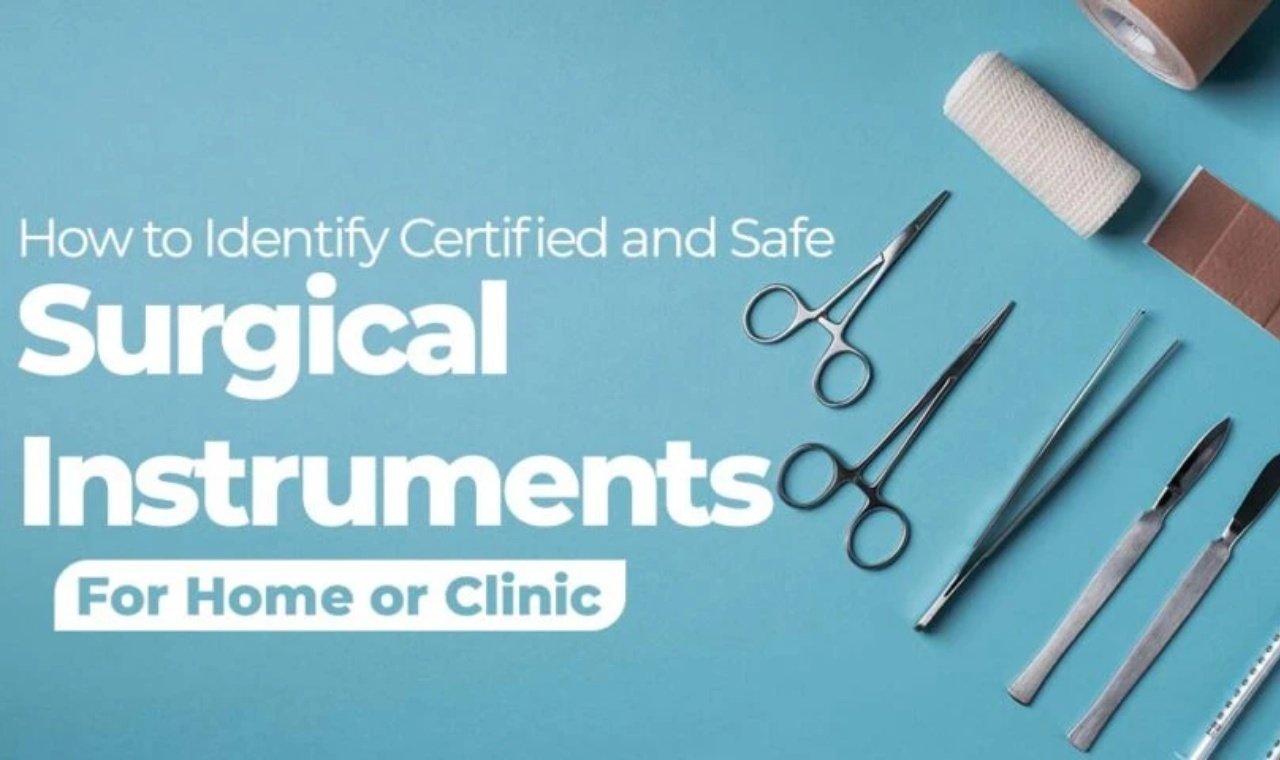


How to Verify Surgical Instrument Suppliers and Choose the Right One for Your Clinic


Selecting the right surgical instrument supplier is a critical decision for any clinic. The quality of your instruments directly impacts patient safety, procedural accuracy, and long-term operational costs.
With countless suppliers available online, it’s essential to know how to verify their credibility and ensure they meet international quality standards. This guide provides a practical approach to help you choose a supplier you can trust.
1. Check Certifications and Compliance
The first step in verifying a supplier is checking their certifications. Reliable suppliers should provide:
- ISO 13485 certification (quality management system)
- CE Marking (European compliance)
- FDA Registration (if supplying to U.S. markets)
These certifications confirm that the supplier follows strict manufacturing and safety standards.

2. Evaluate Product Quality and Materials
High-quality surgical instruments should be made from medical-grade stainless steel with excellent finishing.
What to check:
- Corrosion resistance
- Smooth, polished surfaces
- Proper alignment of tips and joints
- Durability after repeated sterilization
Always request product samples to physically verify quality before bulk purchasing.
3. Assess Supplier Experience and Reputation
Experience matters when selecting a supplier. Look for:
- Years of industry experience
- Export history to multiple countries
- Client testimonials or reviews
- Established business presence
A reputable supplier reduces the risk of inconsistent quality or delayed shipments.

4. Review Product Range and Specialization
A reliable supplier should offer a wide variety of instruments, including:
- General surgical tools
- Specialized instruments (orthopedic, dental, etc.)
- Custom manufacturing options
This ensures you can source all your requirements from a single trusted partner.
5. Verify Documentation and Transparency
Professional suppliers are transparent about their products and processes. They should provide:
- Detailed product specifications
- Certification documents
- Material information
- Quality inspection reports
Transparency builds trust and ensures no hidden risks in procurement.
6. Analyze Pricing Without Compromising Quality
While cost is important, extremely low prices can be a red flag.
Instead, focus on:
- Cost vs durability
- Bulk pricing advantages
- Long-term value
High-quality instruments may cost more initially but save money through longer lifespan and fewer replacements.
7. Evaluate Customer Support and Communication
Strong communication is essential when working with a supplier.
Look for suppliers who:
- Respond quickly to inquiries
- Provide clear and professional communication
- Offer after-sales support
Good support ensures smooth transactions and long-term collaboration.
8. Check Logistics and Delivery Capabilities
Reliable suppliers should have efficient shipping systems, including:
- Secure packaging
- On-time delivery
- Export documentation handling
- Global shipping experience
This ensures your clinic receives instruments safely and on schedule.
Trusted Supplier for Clinics
When choosing a verified and reliable supplier, NJ Medical Instruments stands out as a trusted partner for clinics and healthcare providers. Their commitment to quality manufacturing, international certifications, and customer satisfaction makes them a dependable choice.
They offer a wide range of surgical instruments designed for precision, durability, and compliance with global standards.
👉 Explore their products here:
https://njmedicalinstruments.com/
Common Mistakes to Avoid
Avoid these common errors when selecting a supplier:
- Skipping certification verification
- Choosing based on price alone
- Not requesting product samples
- Ignoring supplier reviews and reputation
- Overlooking shipping and documentation details
Avoiding these mistakes helps protect your clinic from quality issues and financial losses.
Conclusion
Verifying surgical instrument suppliers is essential for ensuring patient safety, operational efficiency, and long-term cost savings. By focusing on certifications, product quality, supplier reputation, and transparency, clinics can make confident and informed decisions.
Choosing the right supplier is not just a purchase, it’s a long-term investment in quality healthcare delivery.
🚀 Choose a Supplier You Can Trust
Don’t risk your clinic’s reputation with unreliable suppliers. Partner with a trusted provider that delivers consistent quality and certified surgical instruments.
👉 Visit https://njmedicalinstruments.com/ today to explore premium surgical tools and build a reliable sourcing partnership for your clinic.