


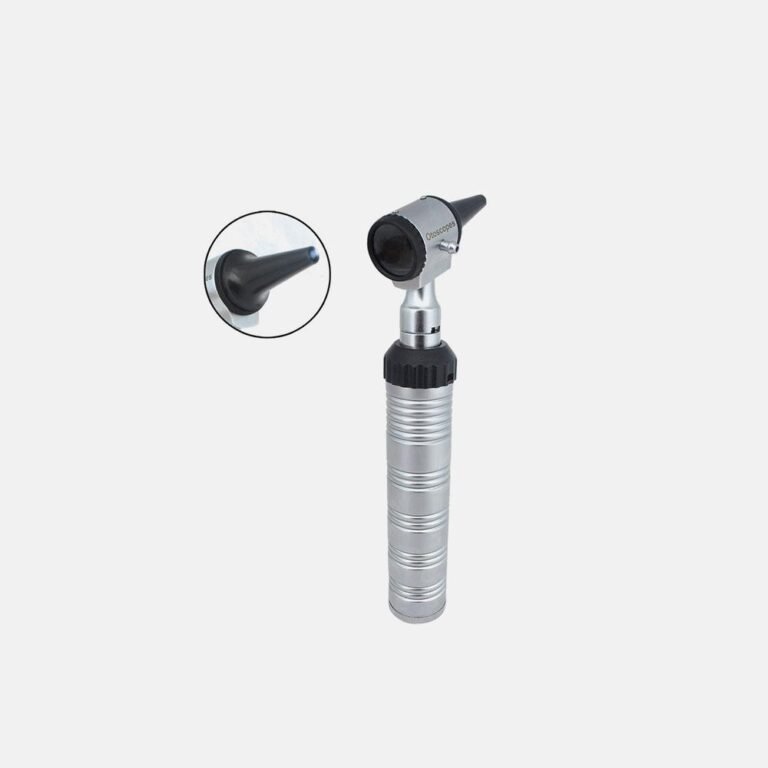
Conventional Metal Otoscope | NJ Medical Instruments
In stock
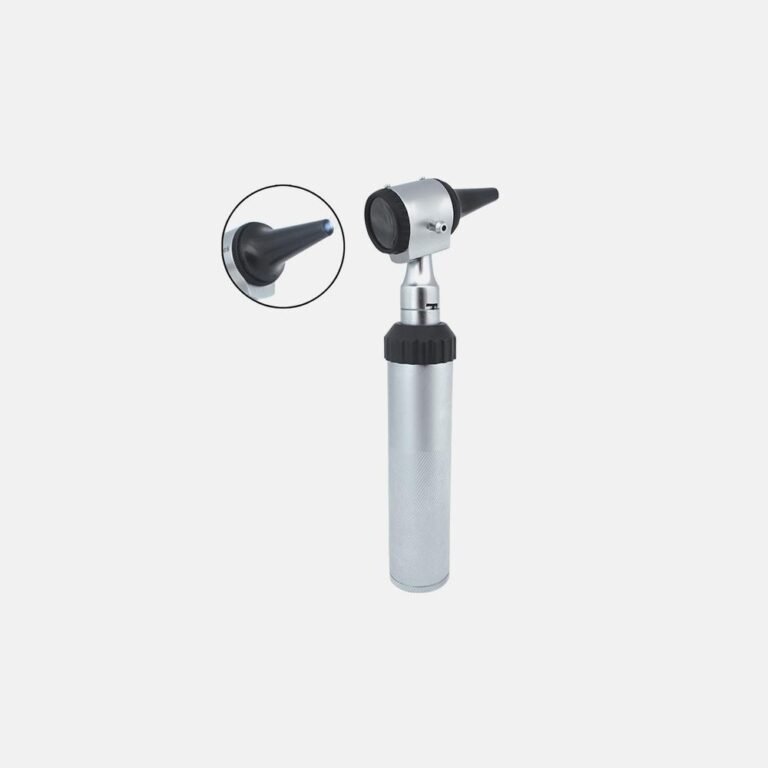
Conventional Metal Otoscope7 | NJ Medical Instruments
In stock
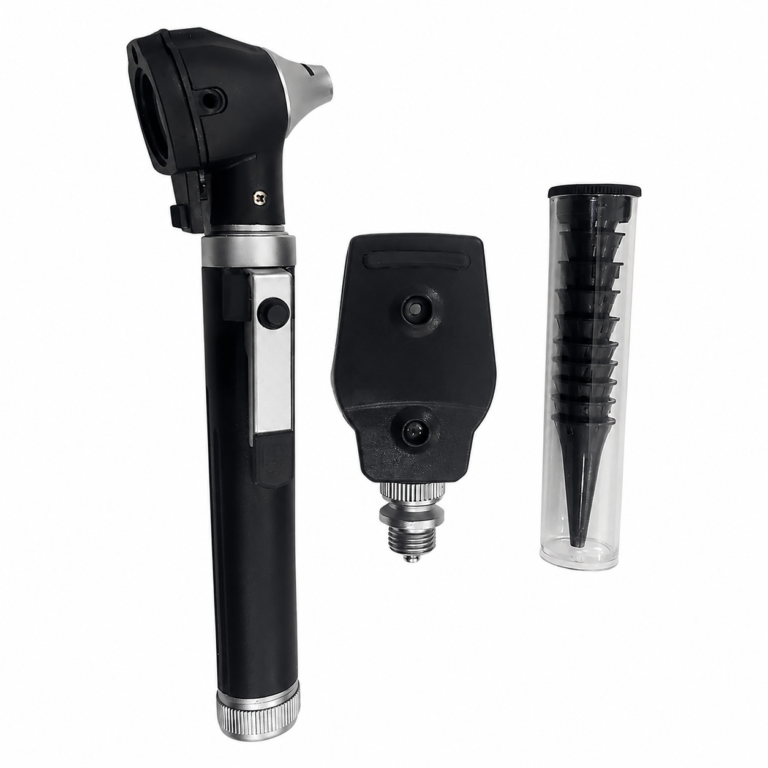
ENT Diagnostic Fiber Optic Otoscope Set | NJ Medical Instruments
In stock
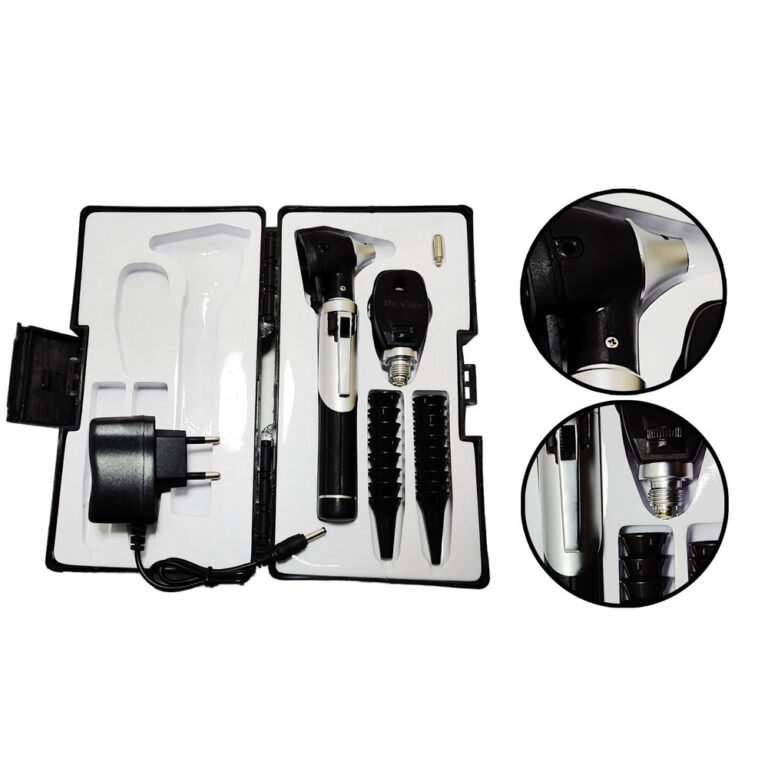
Fiber Optic Otoscope Ophthalmoscope Set: LED Ear & Eye Care Examination Kit | NJ Medical Instruments
In stock
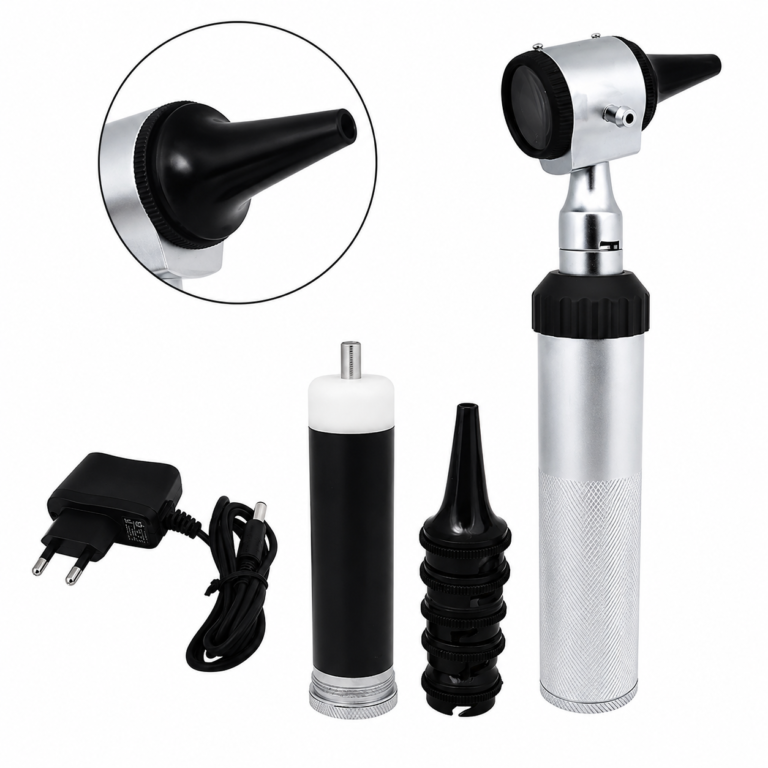
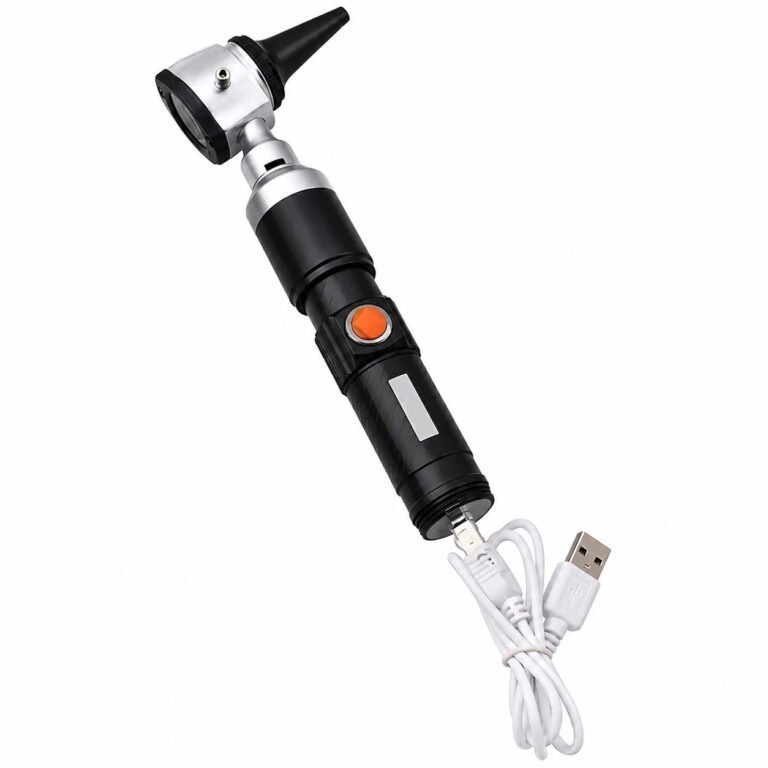
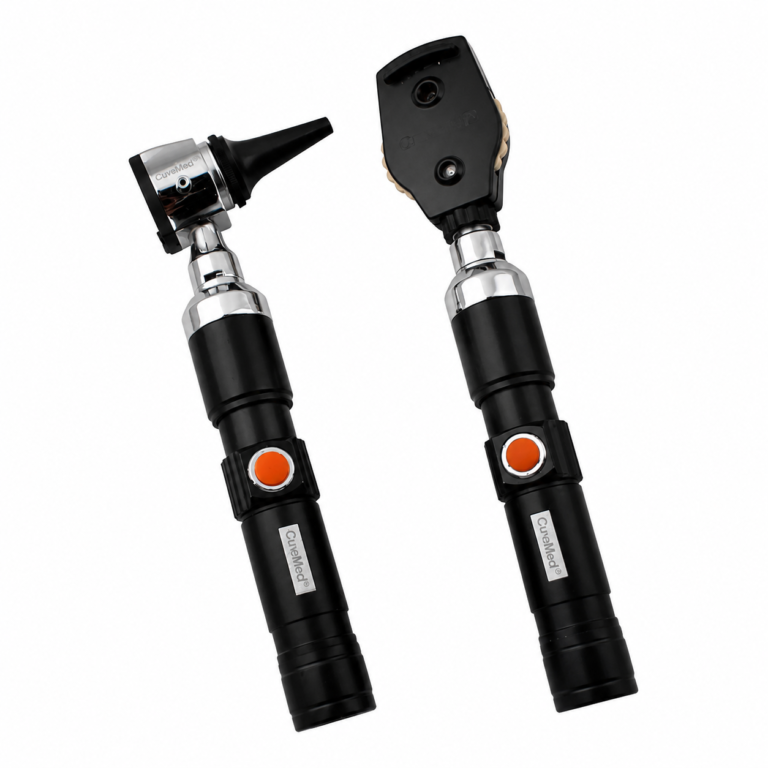
Reusable USB rechargeable Otoscopes + Ophthalmoscopes Set | NJ Medical Instruments
In stock
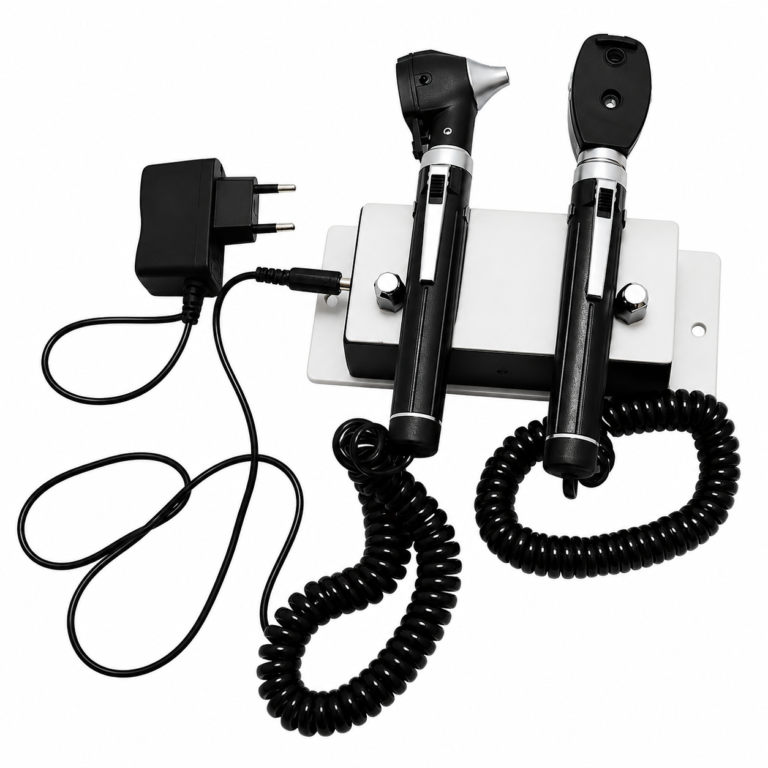
Reusable Wall mount Otoscope + Ophthalmoscopes Set | NJ Medical Instruments
In stock
Otoscopes: Seeing the Eardrum Clearly
An otoscope illuminates and magnifies the ear canal and tympanic membrane so the clinician can identify infection, wax occlusion, perforation, or fluid behind the drum. It is one of the most-used instruments in general practice, and the difference between models comes down to three things that all affect what you can actually see: how the light reaches the drum, how the image is magnified, and whether the instrument can test the drum's movement as well as its appearance. NJ Medical Instruments supplies the full range — pocket, standard, fiber optic, and pneumatic — worldwide direct from the factory for individual purchase and for bulk, wholesale, and OEM/private-label supply.
Fiber optic versus direct illumination
In a direct-illumination otoscope the bulb sits inside the viewing head, so the bulb itself casts a shadow into part of the field. In a fiber optic instrument the light travels from the handle through glass fibres in the head wall and emerges as a ring around the viewing axis — illuminating the drum evenly with nothing blocking the view. On a normal drum the difference is noticeable; on a drum you are assessing for a subtle retraction or a small perforation, it decides whether you see it.
Pneumatic otoscopy
A pneumatic otoscope adds an insufflation bulb that puffs air against the drum so its mobility can be observed. This matters because appearance alone is unreliable for middle-ear effusion — a drum with fluid behind it can look close to normal but will move little or not at all. The test depends entirely on an airtight seal with the speculum: if air escapes around it, no pressure reaches the drum and it will not move regardless of how healthy the ear is.
Handles, lamps and specula
The handle is the power source and the part shared across a diagnostic set. Rechargeable handles suit high-volume clinics; dry-cell battery handles suit visit bags and low-volume rooms. LED lamps last far longer than halogen and give a whiter light that shows tissue colour more accurately, which helps when judging inflammation. Specula must be size-matched to each patient, and reusable stainless steel specula have the added advantage that their polished interior reflects light down the canal rather than absorbing it.
Which otoscope do you need?
| Type | Feature | Best for |
|---|---|---|
| Fiber optic otoscope | Ring illumination, no shadow | Clearest view of the drum |
| Direct illumination | Bulb within the head | Basic examination, lower cost |
| Pneumatic otoscope | Insufflation bulb | Testing drum mobility, effusion |
| Pocket otoscope | Compact, battery handle | Visit bags and portability |
| Rechargeable handle | Charging base | High-volume clinics |
| LED lamp | Long life, white light | Accurate tissue colour |
Explore related ENT instruments
- Ear Specula & Tuning Forks — used with every otoscope
- ENT Complete Sets — otoscope head with shared handle
- Ear Catheters and Excavators for wax removal
- All ENT Diagnostic Instruments
All supplied to international standards, with worldwide shipping.
Bulk, wholesale & OEM supply
As a direct manufacturer and supplier, NJ Medical Instruments provides otoscopes, handles, lamps, and specula in bulk and wholesale quantities to hospitals, clinics, medical schools, and distributors, and produces OEM / private-label instruments with custom branding. Contact us by email at info@njmedicalinstruments.com or by WhatsApp for volume pricing — no minimum-order barriers, no middlemen.
Frequently asked questions
What is an otoscope used for?
An otoscope illuminates and magnifies the ear canal and eardrum so the clinician can identify infection, wax occlusion, perforation, or fluid in the middle ear.
What is the advantage of a fiber optic otoscope?
Light travels from the handle through fibres in the head wall and emerges around the viewing axis, so the bulb casts no shadow into the field. The drum is evenly lit, which matters when assessing subtle findings such as a retraction or small perforation.
What is a pneumatic otoscope used for?
It adds an insufflation bulb that puffs air against the eardrum so its movement can be observed. Reduced mobility indicates fluid in the middle ear, which appearance alone does not reliably show.
Why does pneumatic otoscopy show no movement in a healthy ear?
Almost always a seal problem. If air escapes around the speculum, no pressure reaches the drum and it will not move regardless of how healthy the ear is. Check speculum size and seating before interpreting the result.
Should I choose a rechargeable or battery otoscope handle?
Rechargeable handles suit clinics using the instrument many times a day. Dry-cell battery handles are more practical for home-visit bags and low-volume rooms, since there is no charger to manage.
Do you supply otoscopes in bulk or for OEM / private label?
Yes. We supply otoscopes, handles, lamps, and specula in bulk and wholesale quantities to hospitals, clinics, and medical schools, and offer OEM / private-label instruments with custom branding. Contact us by email or WhatsApp for volume pricing.