

Different Types of Surgical Instruments Explained with the Best Places to Buy Them

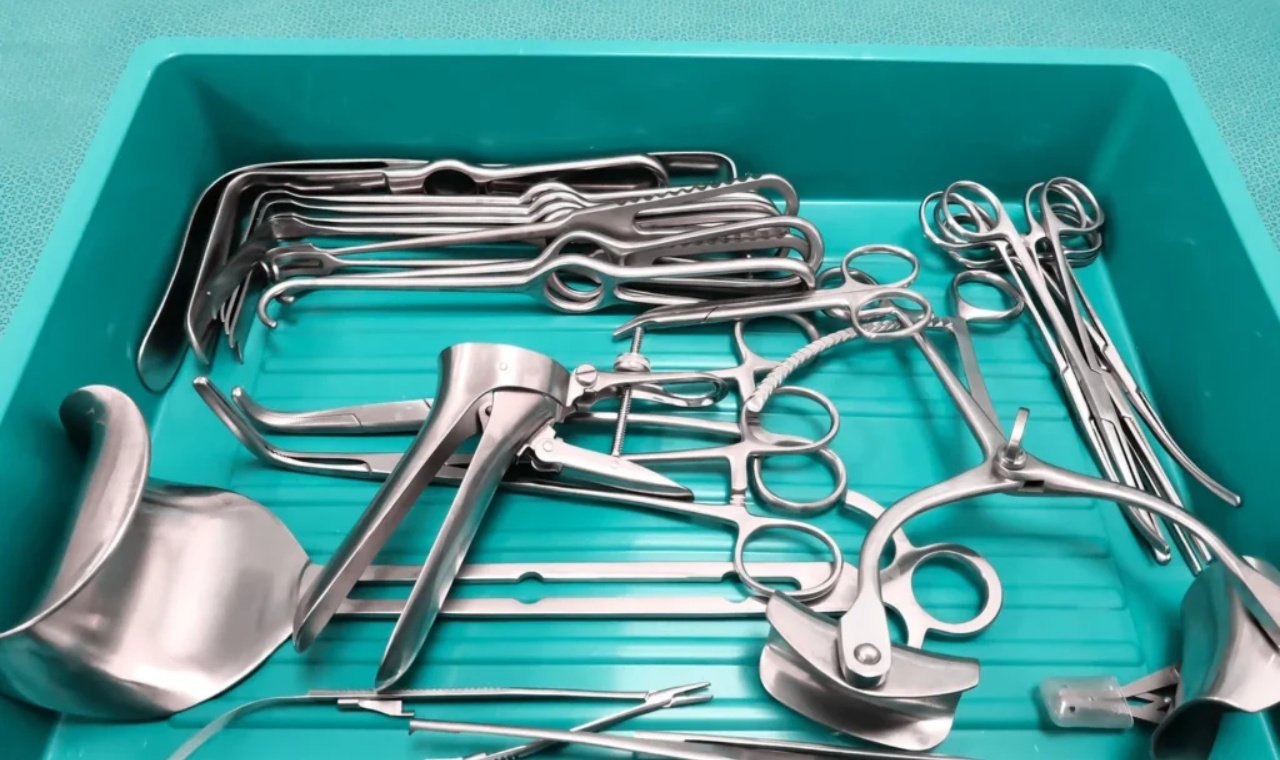
Surgical instruments are essential tools in every medical procedure, from simple suturing to complex operations. Each instrument is designed for a specific function, and understanding these categories helps healthcare professionals choose the right tools for precision and safety.
In today’s global market, hospitals and distributors often source instruments online but knowing the types of surgical instruments and where to buy them safely is critical for maintaining quality standards.
1. Cutting and Dissecting Instruments

These instruments are used to cut tissue, skin, or sutures during surgery.
Common examples:
- Scalpels
- Surgical scissors
- Bone cutters
Key features:
- Extremely sharp edges
- High precision control
- Durable stainless steel construction
These tools are critical for accurate and clean incisions.
2. Grasping and Holding Instruments
These instruments are used to hold, grip, or manipulate tissues during surgery.
Common examples:
- Forceps
- Hemostats
- Tissue clamps
Key features:
- Strong grip control
- Anti-slip design
- Precision alignment
They help surgeons maintain stability and control during procedures.

3. Retracting Instruments

Retractors are used to hold back tissues or organs to provide a clear surgical view.
Common examples:
- Hand retractors
- Self-retaining retractors
- Rib retractors
Key features:
- Strong structural support
- Non-slip grip
- Adjustable positioning
They ensure better visibility and access during surgery.
4. Suturing Instruments
These instruments are used to stitch tissues after surgery.
Common examples:
- Needle holders
- Suturing forceps
- Stitch scissors
Key features:
- Secure needle grip
- Fine control
- Ergonomic design
They ensure accurate and safe wound closure.

5. Diagnostic Instruments
These instruments help in examining patients and diagnosing conditions.
Common examples:
- Speculums
- Probes
- Scopes
Key features:
- High accuracy
- Easy handling
- Patient-safe design
They play a key role in early diagnosis and treatment planning.

What to Look for When Buying Surgical Instruments
Before purchasing surgical tools online, always check:
- Medical-grade stainless steel material
- ISO 13485, CE, or FDA certifications
- Precision finishing and alignment
- Sterilization compatibility
- Supplier reputation and reviews
These factors ensure safe, reliable, and long-lasting instruments.
Best Place to Buy Surgical Instruments Online
Choosing a trusted supplier is just as important as selecting the right instrument type. A reliable supplier ensures consistent quality, proper certifications, and long-term performance.
NJ Medical Instruments is a trusted name offering a wide range of precision surgical tools designed for hospitals, clinics, and distributors worldwide. Their instruments are built for accuracy, durability, and international compliance.
👉 Explore the full range here:
https://njmedicalinstruments.com/
Common Mistakes to Avoid
- Buying without checking certifications
- Choosing low-cost low-quality instruments
- Ignoring instrument material specifications
- Not verifying supplier credibility
Avoiding these mistakes helps ensure better surgical outcomes and cost efficiency.
Conclusion
Understanding different types of surgical instruments is essential for every healthcare professional. Each category plays a unique role in ensuring precision, safety, and successful surgical outcomes.
When combined with a trusted supplier, hospitals and clinics can ensure long-term reliability and performance.
🚀 Take the Next Step Toward Quality Surgical Tools
Upgrade your surgical instruments with trusted, certified, and high-performance tools designed for modern healthcare needs.
👉 Visit https://njmedicalinstruments.com/ today to explore premium surgical instruments and source directly from a reliable global supplier.