

Key Factors That Define Surgical Instrument Quality and Where to Source Them


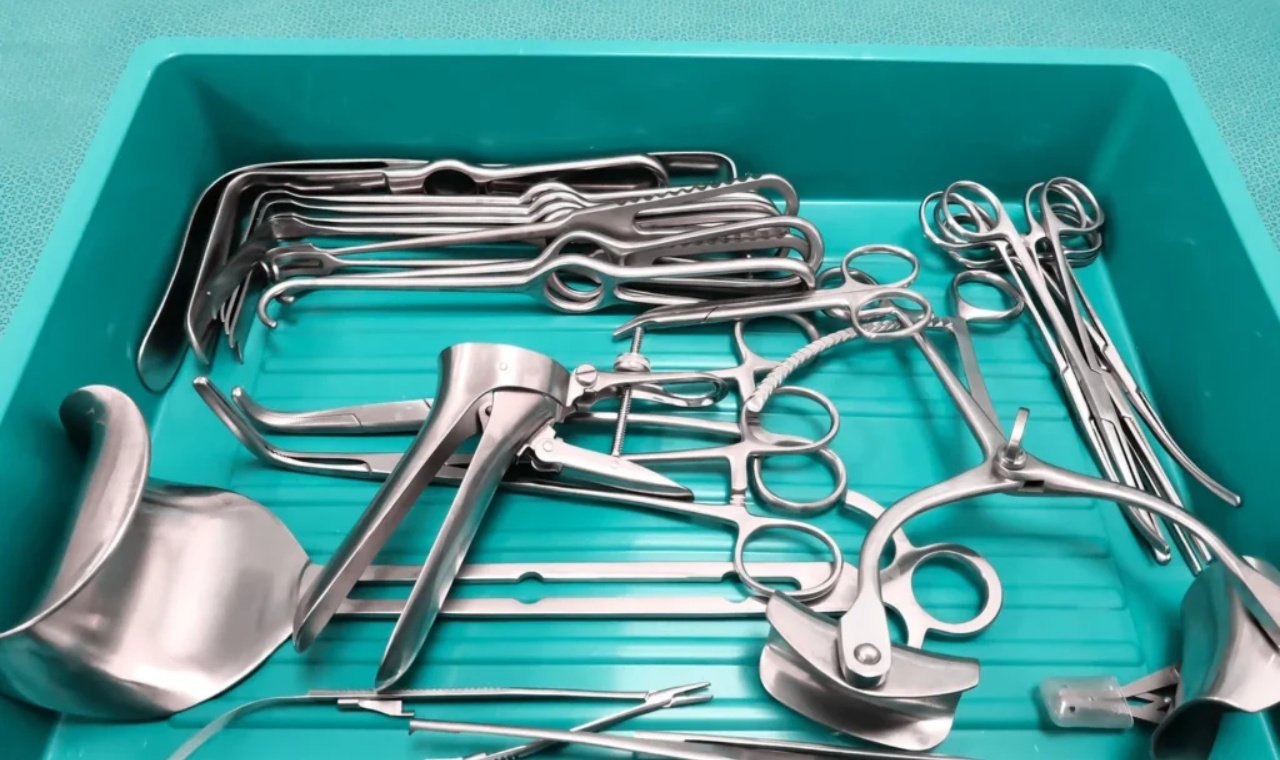
Surgical instruments are the backbone of every medical procedure. From minor surgeries to complex operations, their quality directly affects precision, safety, and patient outcomes. Choosing the right instruments is not just about price—it is about understanding what defines true quality and selecting a trusted supplier.
In this guide, we will explore the key factors that determine surgical instrument quality and where healthcare professionals can source reliable products online.
1. Material Quality – The Foundation of Performance
The first and most important factor is the material used in manufacturing. High-quality surgical instruments are typically made from medical-grade stainless steel, often sourced from German or Japanese steel grades.
Why material matters:
- Ensures corrosion resistance
- Maintains sharpness and strength
- Withstands repeated sterilization cycles
- Prevents contamination risks
Poor-quality materials can lead to rusting, breakage, and surgical complications, making material selection critical.
2. Precision Engineering and Craftsmanship
Precision is what separates standard tools from professional-grade surgical instruments. Even a minor defect can affect surgical outcomes.

High-quality instruments feature:
- Perfect alignment of jaws and tips
- Smooth edges without burrs
- Balanced weight distribution
- Ergonomic design for surgeon comfort
Craftsmanship ensures consistent performance during critical procedures.
3. Surface Finish and Corrosion Resistance
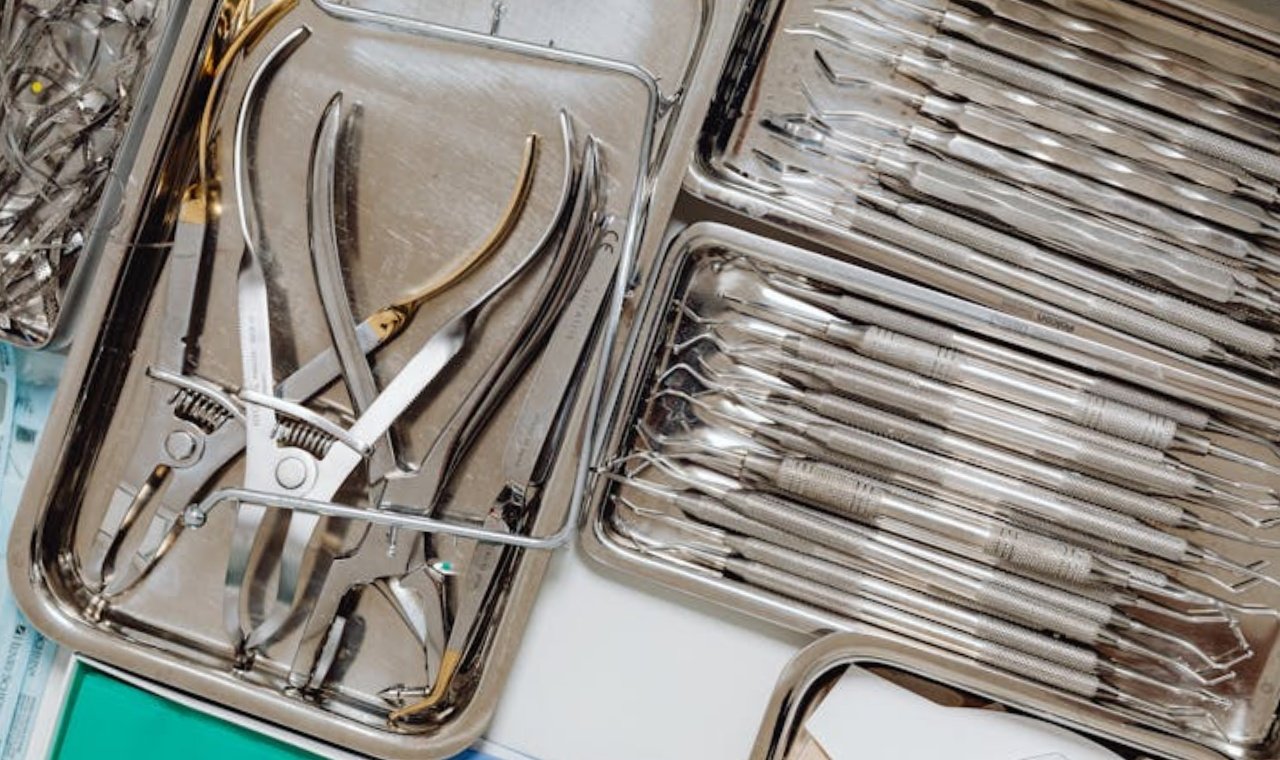
The surface finish of surgical instruments plays a key role in hygiene and durability. A polished, smooth surface reduces the risk of bacterial retention and makes cleaning easier.
Key indicators of good finish:
- Mirror-like polish
- No scratches or rough edges
- High resistance to staining and corrosion
Proper finishing improves both aesthetic quality and clinical safety.

4. Certifications and Compliance Standards
Certifications confirm that instruments meet global medical standards. The most important include:
- ISO 13485 – Quality management system for medical devices
- CE Marking – Compliance with European safety standards
- FDA Registration – Approval for U.S. market use
These certifications ensure instruments are safe, tested, and globally accepted.
5. Sterilization Compatibility
Surgical instruments must withstand repeated sterilization without losing quality.
A high-quality instrument should be compatible with:
- Autoclave sterilization
- Chemical disinfection
- Ultrasonic cleaning
Instruments that degrade after sterilization are not suitable for professional use.
6. Durability and Long-Term Performance
Durability is a key cost-saving factor for hospitals and clinics. High-quality instruments maintain:
- Sharpness over time
- Structural integrity
- Smooth functionality even after repeated use
Investing in durable instruments reduces replacement costs and operational risks.
Where to Source High-Quality Surgical Instruments
Choosing the right supplier is just as important as evaluating quality. A trusted supplier should offer:
- Certified medical-grade instruments
- Transparent product specifications
- Global export experience
- Consistent quality control
Trusted Supplier Recommendation
For reliable and precision-crafted surgical instruments, NJ Medical Instruments is a trusted name in the industry. Their products are designed to meet international quality standards and support healthcare professionals with durable and accurate tools.
Whether you are a hospital, distributor, or clinic, sourcing from a verified supplier ensures long-term reliability and safety compliance.
👉 Explore their full collection here:
https://njmedicalinstruments.com/
Common Mistakes to Avoid
When sourcing surgical instruments, avoid these errors:
- Choosing price over quality
- Ignoring certification verification
- Overlooking material specifications
- Not checking supplier reputation
These mistakes often lead to poor performance and higher long-term costs.
Conclusion
Understanding the factors that define surgical instrument quality is essential for making informed purchasing decisions. Material quality, precision engineering, certifications, and durability all play a vital role in ensuring safe and effective medical procedures.
By selecting a trusted supplier, healthcare professionals can guarantee reliability, safety, and long-term value.
🚀 Take the Next Step Toward Quality You Can Trust
Don’t compromise on surgical precision. Choose instruments that meet international standards and deliver consistent performance in every procedure.
👉 Visit https://njmedicalinstruments.com/ today to explore premium-quality surgical instruments and source directly from a trusted global supplier.