


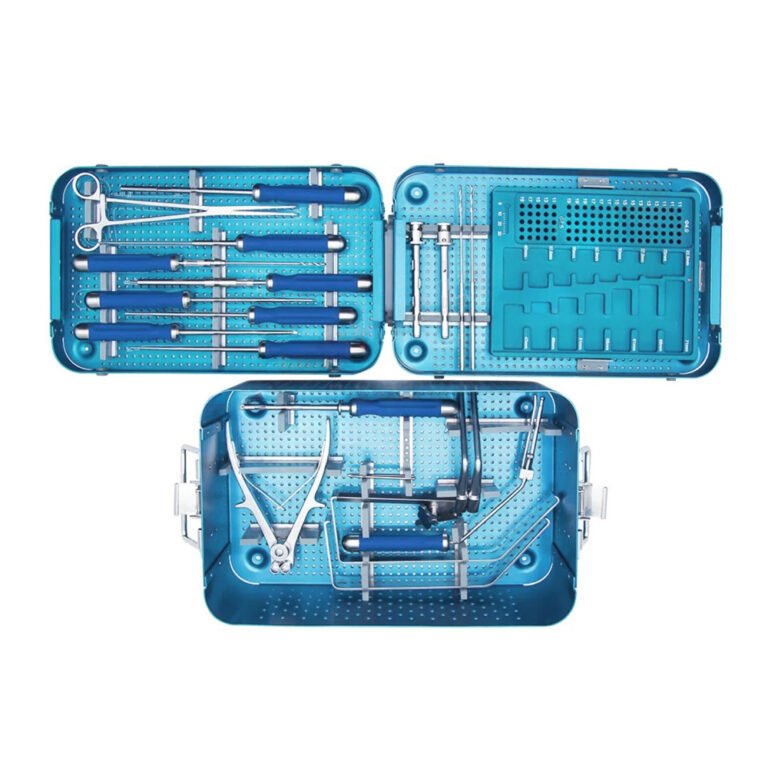
Anterior Orthopedic Cervical Plate System Set | NJ Medical Instruments
In stock
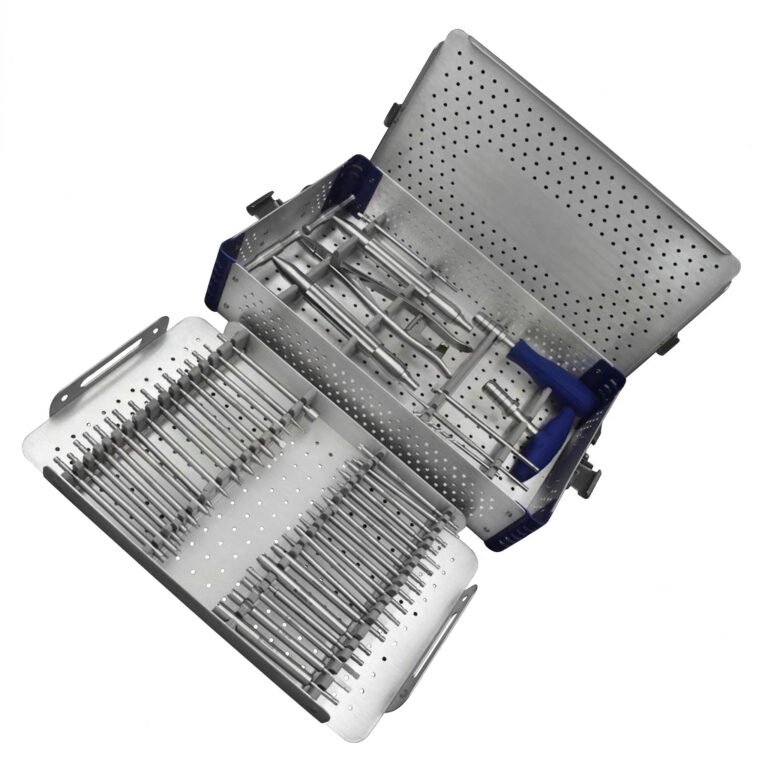
Broken Screw Removal Instruments Set | NJ Medical Instruments
In stock
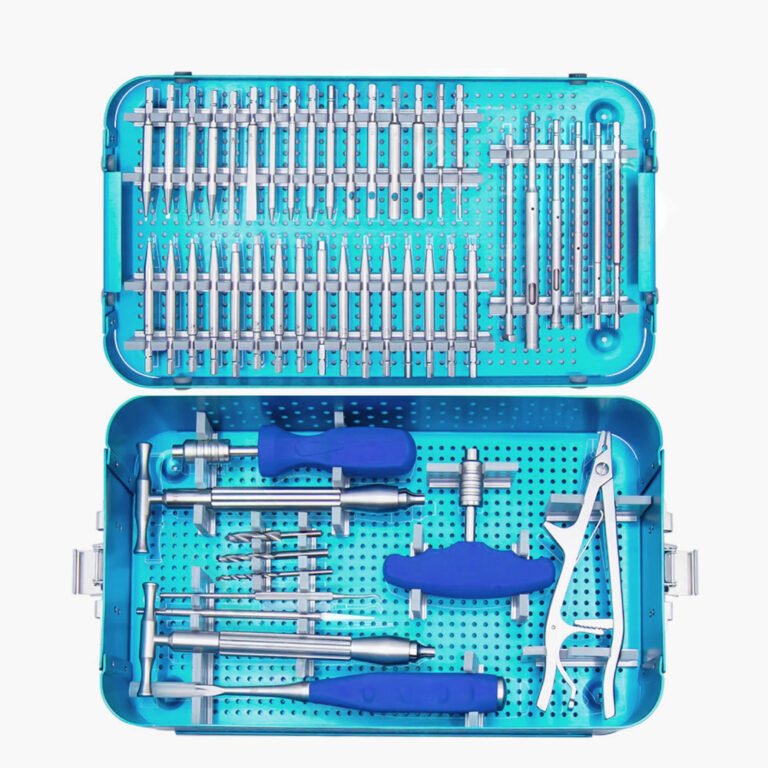
Broken Screw Removal Set ( Screw Removal Instrument Set ) | NJ Medical Instruments
In stock
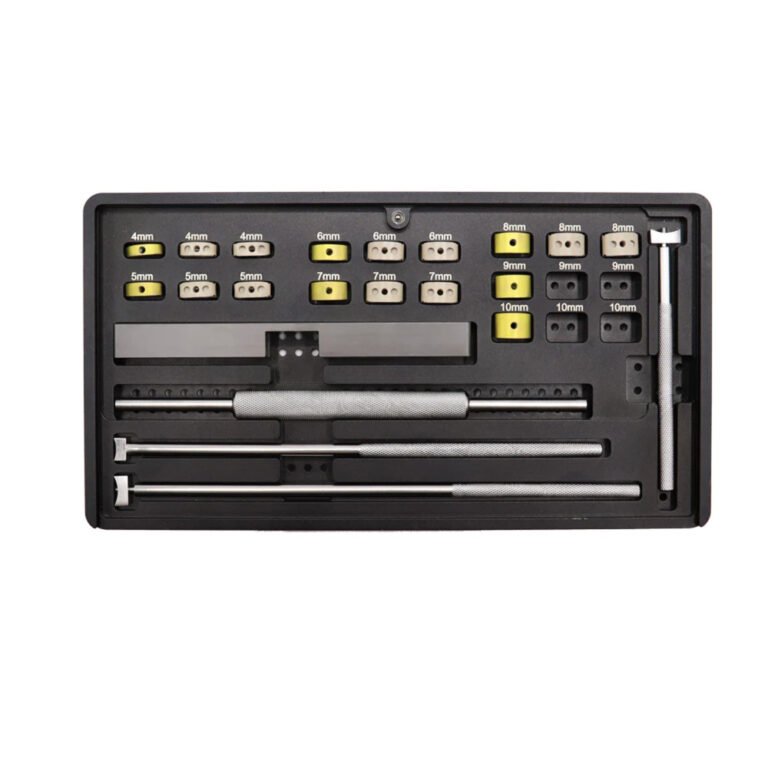
Cervical Cage Surgical Set | NJ Medical Instruments
In stock
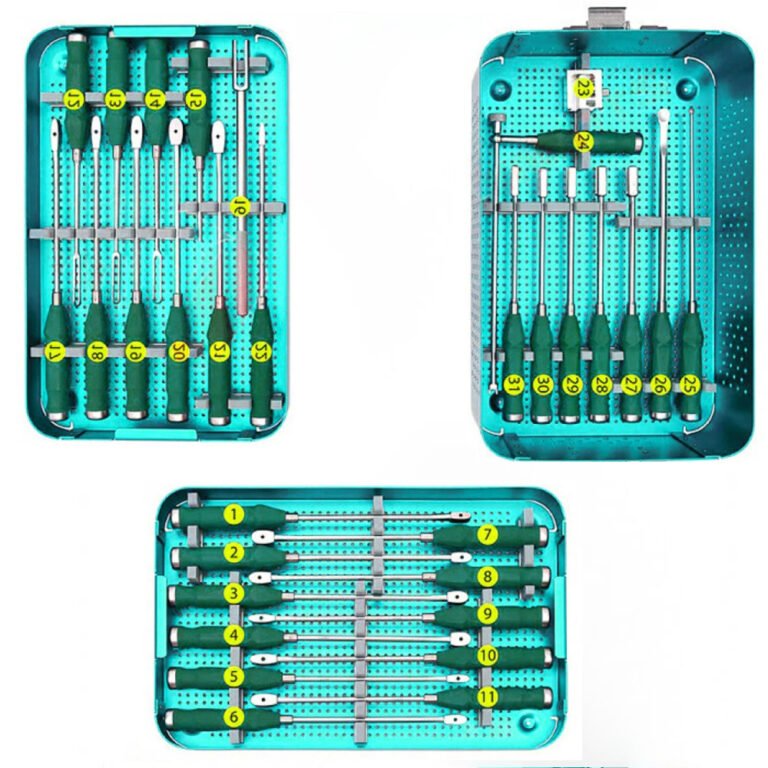
Lumbar Titanium Cage Set | NJ Medical Instruments
In stock
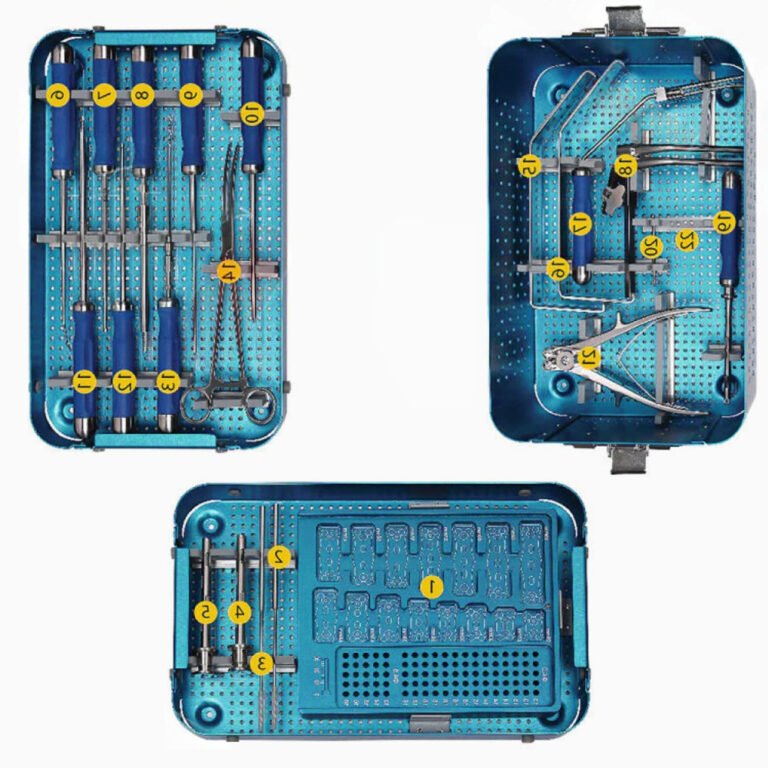
Major Spinal Surgical Instrument Set | NJ Medical Instruments
In stock
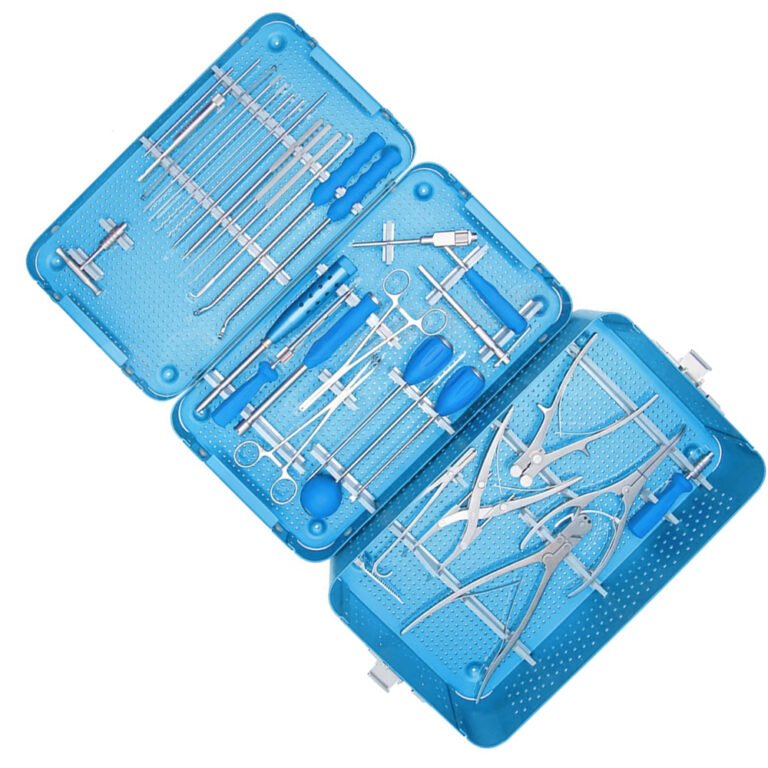
Posterior Cervical Fixation System Set | NJ Medical Instruments
In stock
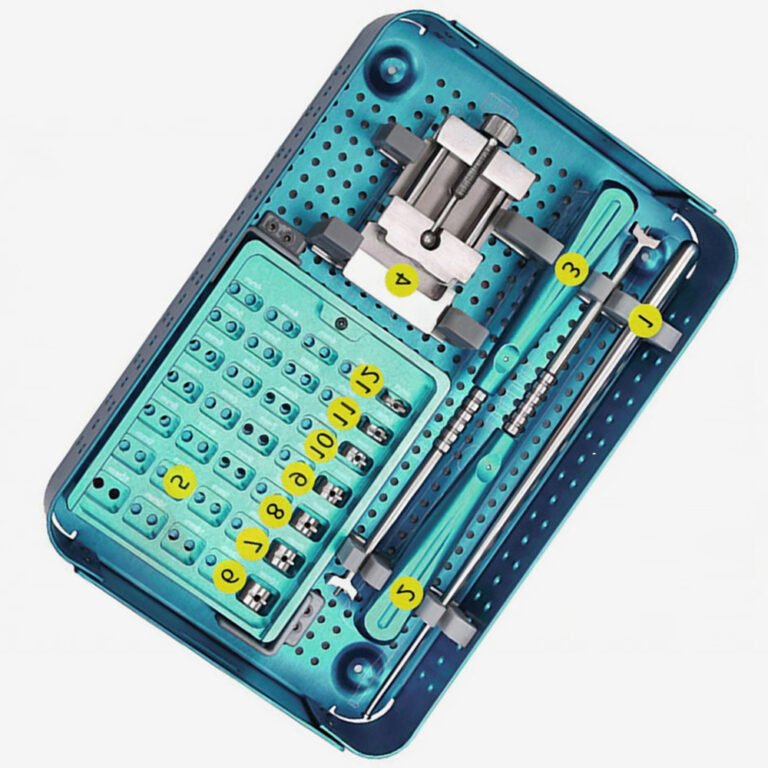
Spinal Cervical Cage Implant Set | NJ Medical Instruments
In stock
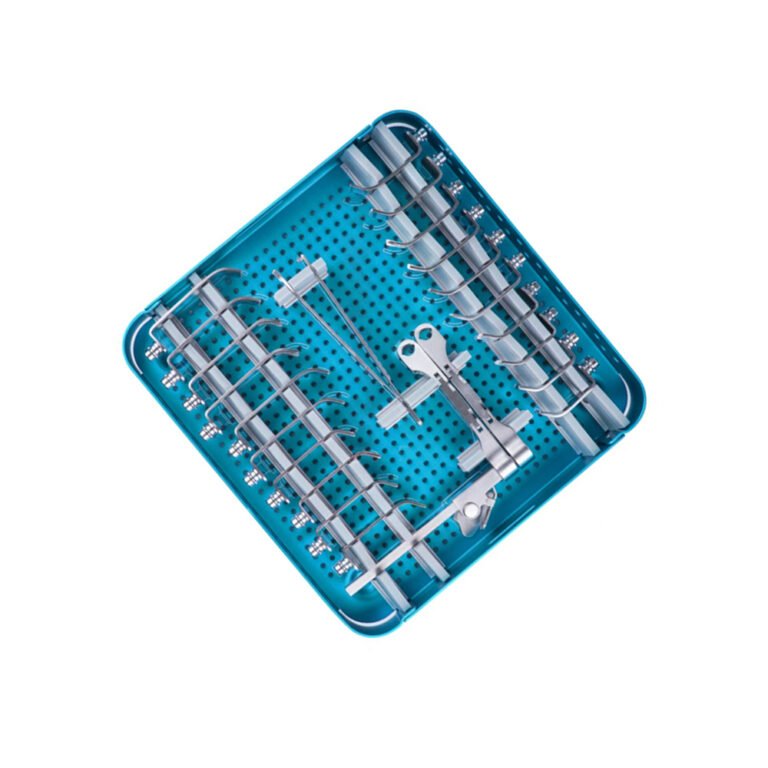
Spinal Distractor Retractor Instruments Kit | NJ Medical Instruments
In stock
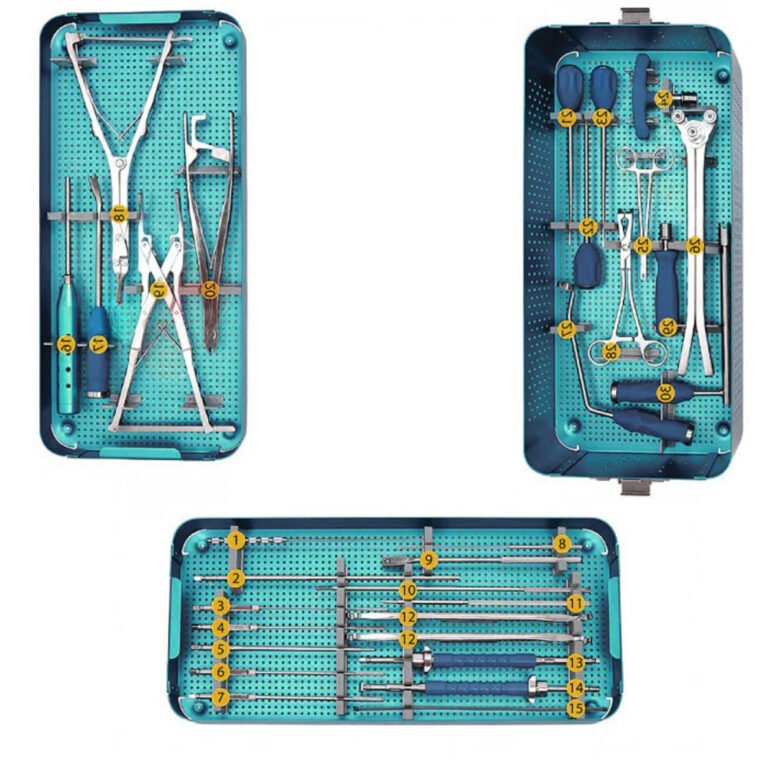
Spinal Pedicle Screw Instrument Set | NJ Medical Instruments
In stock
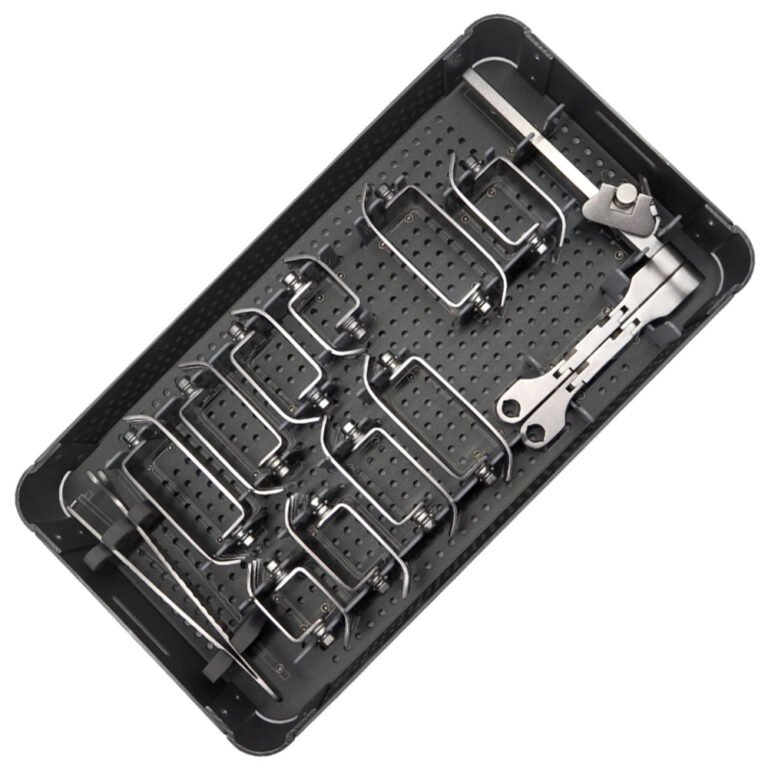
Spinal Retractor Instrument Set ( Anterior Cervical Retractor Kit) | NJ Medical Instruments
In stock
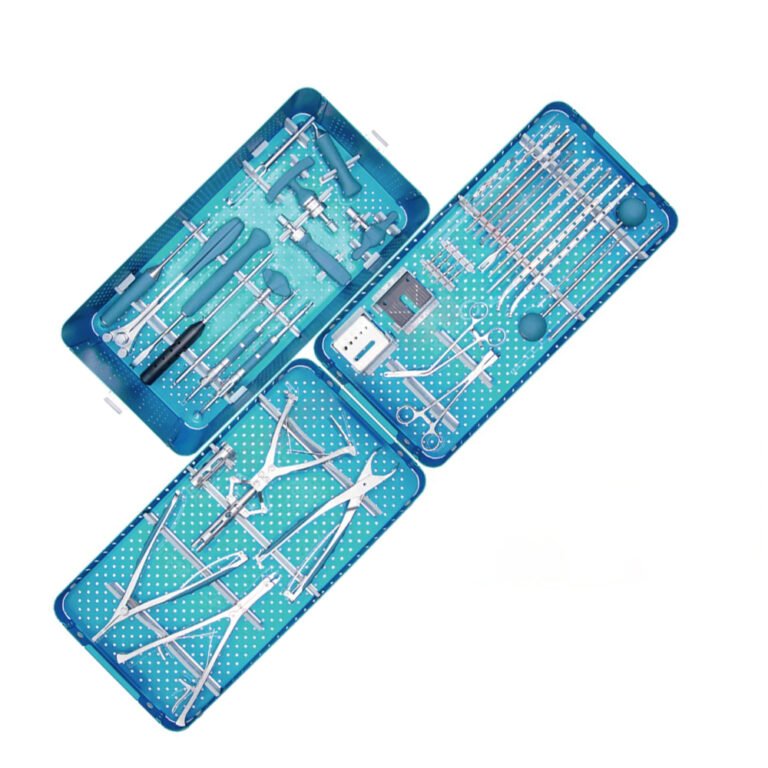
Spine Surgery Set 5.5mm Titanium Pedicle Screw | NJ Medical Instruments
In stock
Orthopedic Instrument Sets: Built for Force, Not Finesse
Orthopedic instruments differ from every other specialty in one respect: they are designed to transmit substantial mechanical force into bone without deforming. Soft-tissue surgery asks instruments to be precise and delicate; orthopedic surgery asks them to cut, hold, and lever dense cortical bone repeatedly without the jaws spreading or the shaft flexing. That is why orthopedic instruments are heavier in section, why double-action joints appear so often, and why a general surgical tray cannot simply be scaled up for bone work — an instrument that bends under load is not just inefficient, it fails at the moment force is applied. NJ Medical Instruments assembles orthopedic sets in surgical-grade stainless steel, to standard configurations or to your own instrument list, supplied worldwide direct from the factory with OEM and private-label options.
Cutting, holding and levering
Three functions define an orthopedic tray. Cutting uses bone cutters for clean division and rongeurs for progressive nibbling, with osteotomes and chisels driven by mallet where a controlled line is needed. Holding uses bone-holding forceps and reduction clamps that grip a fragment firmly enough to resist the muscle forces trying to pull it out of position. Levering uses periosteal elevators and bone levers to expose and reposition, which is where instrument stiffness matters most.
Why double action appears throughout
A double-action instrument has a second hinge that multiplies leverage, so the same hand force produces substantially more power at the jaws. On dense cortical bone this is often the difference between an instrument that works and one that merely tires the surgeon. It also matters across a long case: hand fatigue accumulates, and a surgeon squeezing at full effort has less control than one working within the instrument's mechanical advantage.
What an orthopedic set contains
| Function | Instruments | Design priority |
|---|---|---|
| Exposure | Periosteal elevators, bone levers | Stiffness under leverage |
| Cutting | Bone cutters, osteotomes, chisels | Edge retention on cortical bone |
| Nibbling | Rongeurs, single and double action | Leverage and jaw strength |
| Holding | Bone-holding forceps, reduction clamps | Grip that resists muscle pull |
| Shaping | Rasps, files, gouges | Controlled surface removal |
| Scraping | Bone curettes | Clearing cancellous bone |
| Impaction | Mallets | Predictable force per blow |
Explore related instruments and sets
- Bone Cutters & Rongeurs
- Curettes, Raspatories & Elevators
- Spinal Surgical Instrumentation
- All Medical Instrument Sets and Neurosurgery Sets
All instruments are manufactured in surgical-grade stainless steel to international standards, reusable and autoclavable, with worldwide shipping.
Custom, bulk & OEM set assembly
As a direct manufacturer, NJ Medical Instruments assembles orthopedic sets to your own instrument list — your choice of patterns, sizes, quantities, and case — and supplies them in bulk to hospitals, orthopedic units, teaching institutions, and distributors. OEM and private-label sets with custom laser marking are available. Send us your list by email at info@njmedicalinstruments.com or by WhatsApp and we will quote the complete set — no minimum-order barriers, no middlemen.
Frequently asked questions
What is in an orthopedic instrument set?
An orthopedic set covers exposure with periosteal elevators and bone levers, cutting with bone cutters, osteotomes and chisels, nibbling with rongeurs, holding with bone-holding forceps and reduction clamps, shaping with rasps and gouges, and a mallet for impaction.
Why are orthopedic instruments heavier than general surgical ones?
They transmit substantial force into dense cortical bone. A lighter instrument flexes or its jaws spread under that load, so orthopedic instruments are heavier in section specifically to stay rigid at the moment force is applied.
What is the advantage of a double-action rongeur?
A second hinge multiplies leverage, so the same hand force produces far more power at the jaws. On cortical bone this makes the instrument genuinely usable, and it reduces the hand fatigue that accumulates through a long case.
What is the difference between a bone cutter and a rongeur?
A bone cutter has two sharpened blades that meet and divide bone in a single cut. A rongeur has cup-shaped jaws that bite out small pieces, removing bone progressively — safer when shaping an edge or working near delicate structures.
Can a general surgery tray be used for orthopedic work?
No. General instruments are built for precision in soft tissue, not for transmitting force into bone. Used on cortical bone they deform, lose their edge quickly, or fail outright under load.
Can you build a custom orthopedic set?
Yes. We assemble sets to your own instrument list, with your choice of patterns, sizes, quantities, and case, including OEM and private-label sets with custom laser marking.