


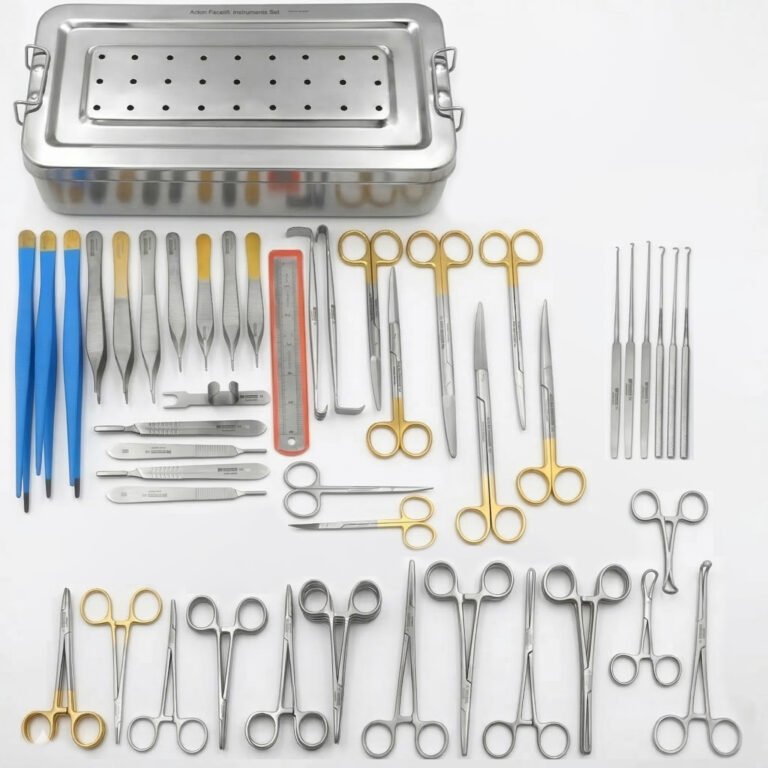
Aston Facelift Instruments Set | NJ Medical Instruments
In stock
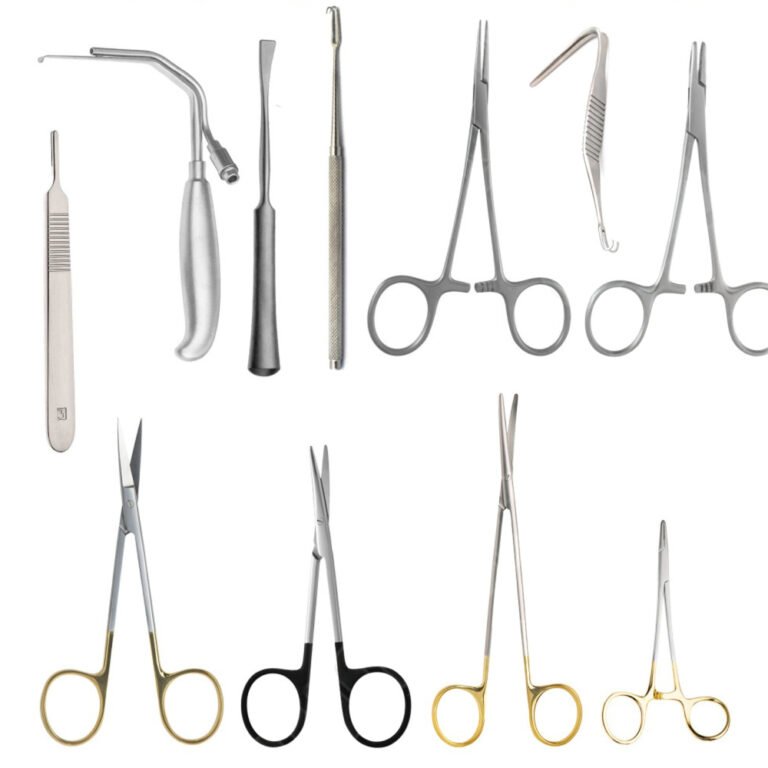
Chin Augmentation Instruments Set | NJ Medical Instruments
In stock
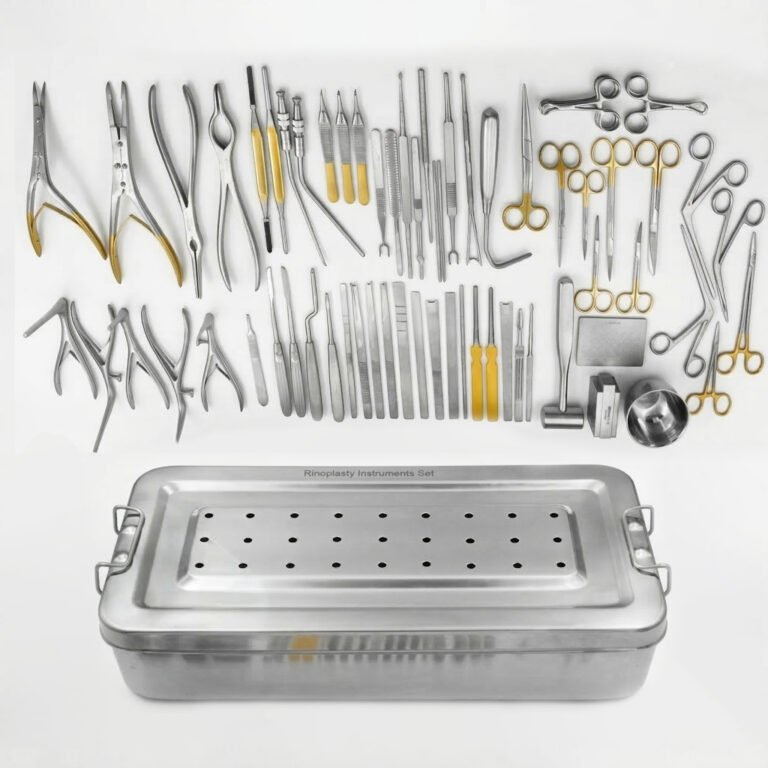
Complete Rhinoplasty Instruments Set of 69 Pcs ( Nose Job Surgery Kit ) | NJ Medical Instruments
In stock
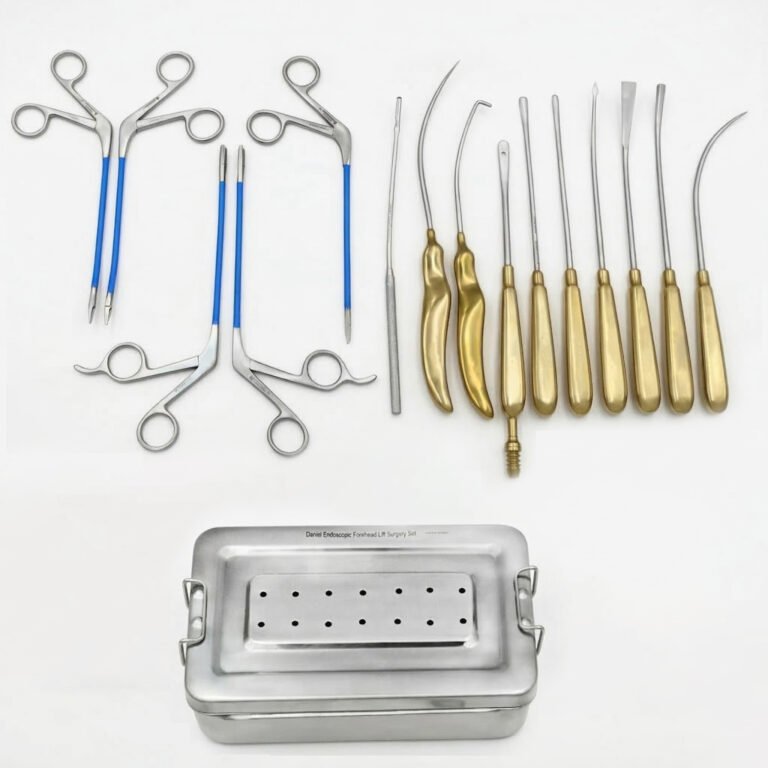
Daniel Endoscopic Forehead Lift Surgery Set | NJ Medical Instruments
In stock
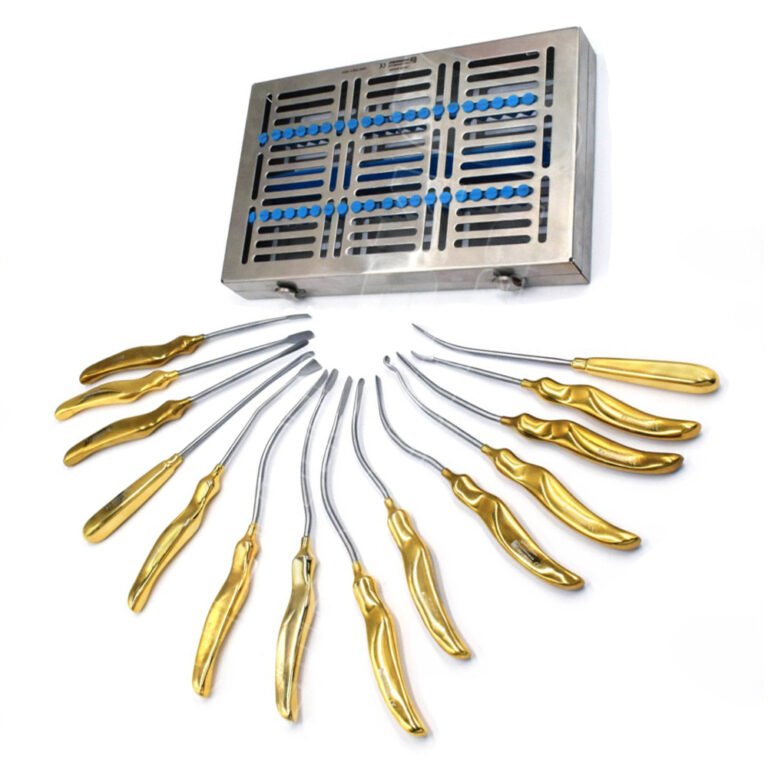
Endoscopic Facelift & Forehead Dissectors Set of 14 Pcs | NJ Medical Instruments
In stock
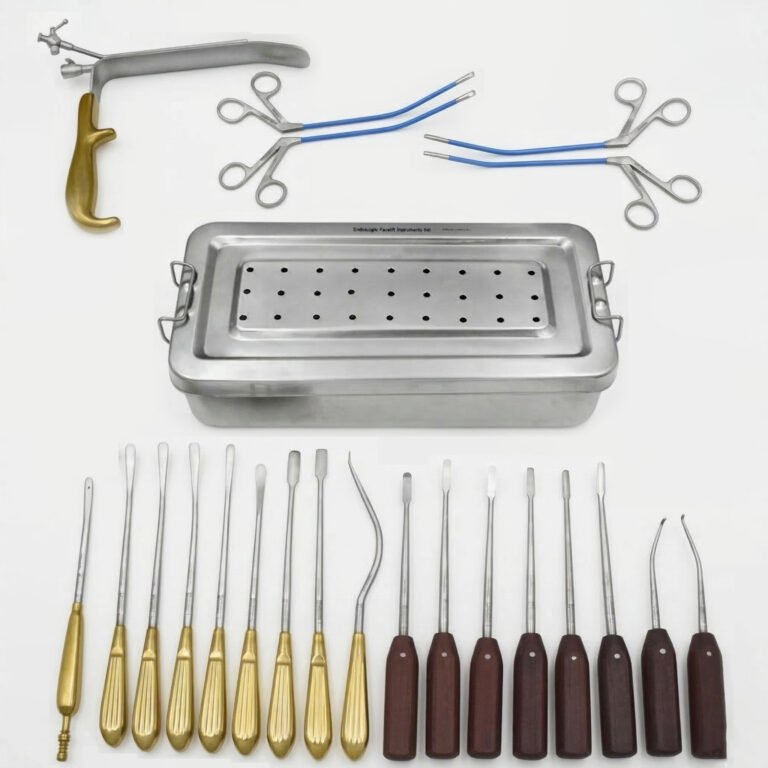
Endoscopic Facelift Instruments Set | NJ Medical Instruments
In stock
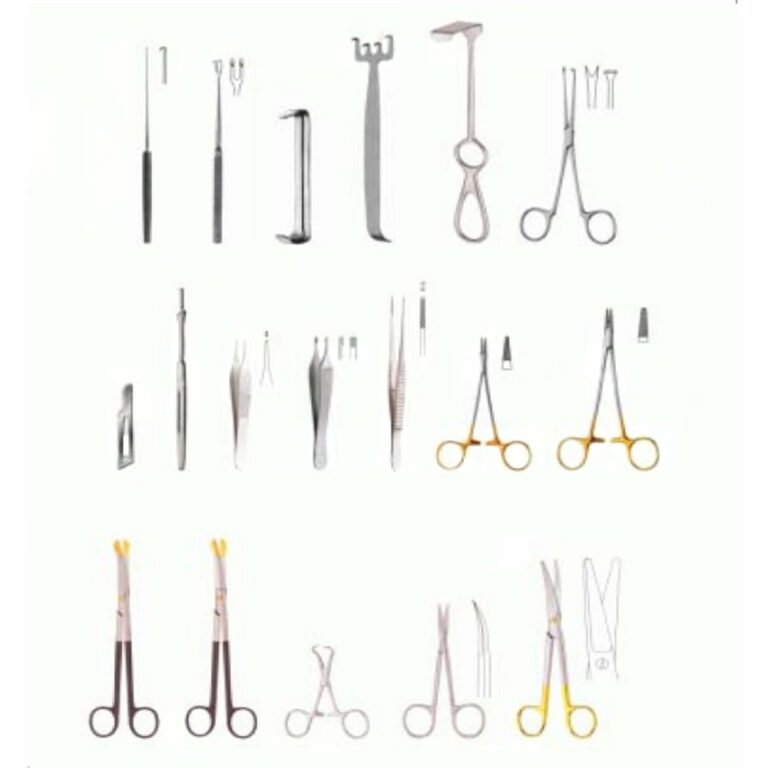
Face & Forehead Lift Set, Stainless Steel Set | NJ Medical Instruments
In stock
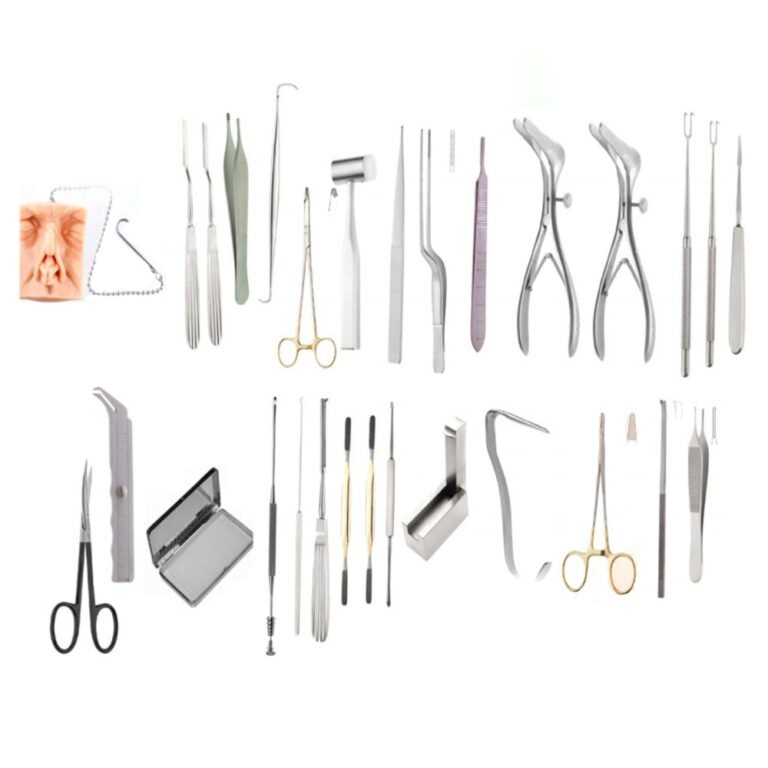
Gruber Rhinoplasty Procedure Set | NJ Medical Instruments
In stock
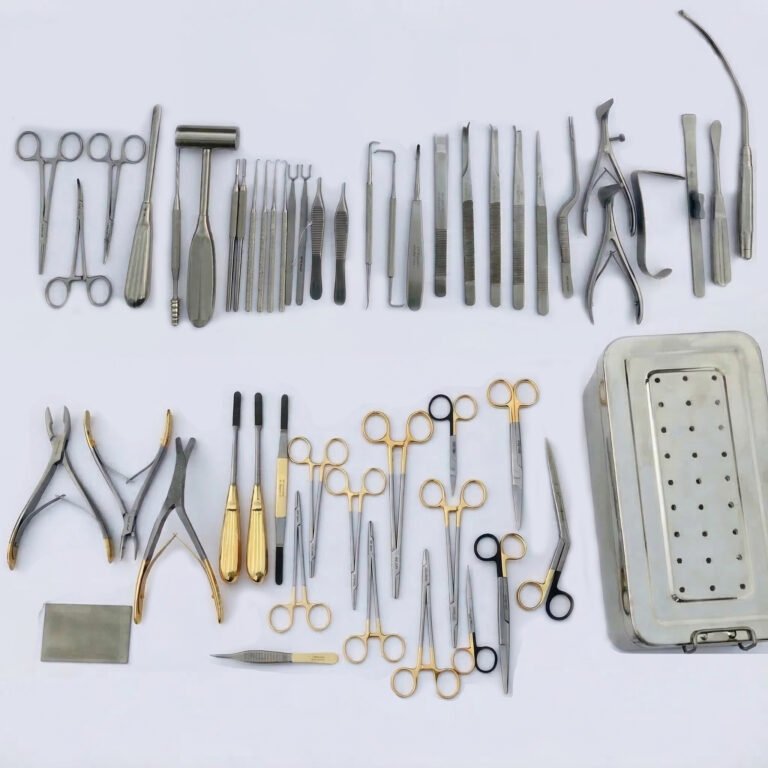
Gunter Rhinoplasty Instruments Set | NJ Medical Instruments
In stock
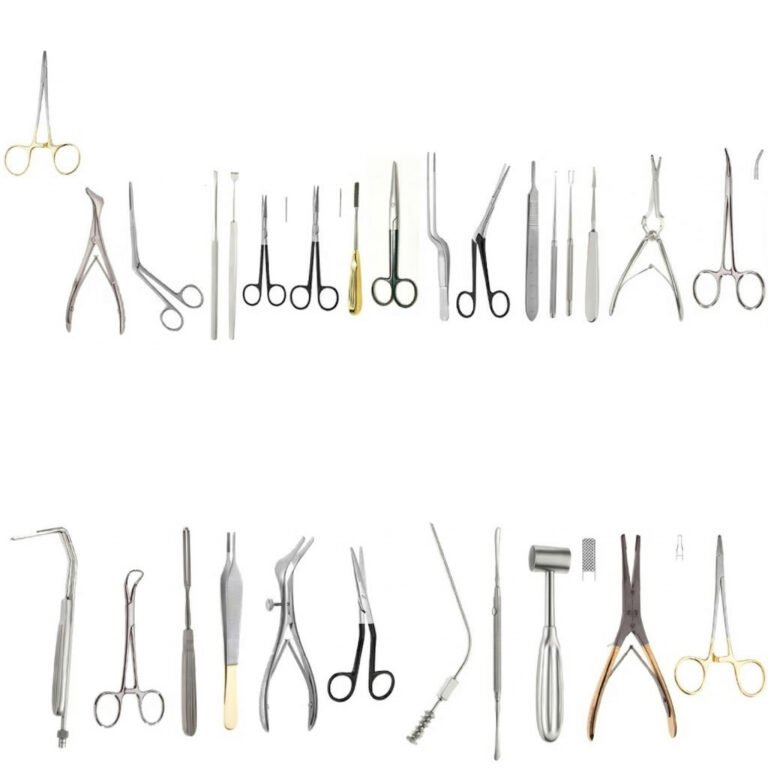
Peck Rhinoplasty Procedure Set | NJ Medical Instruments
In stock
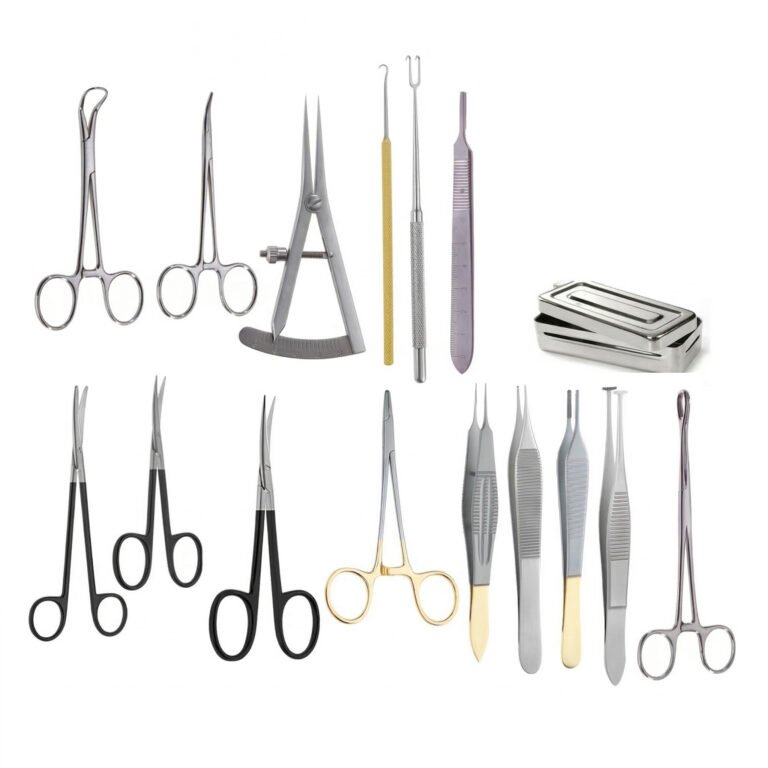
Ristow Blepharoplasty Procedure Set | NJ Medical Instruments
In stock
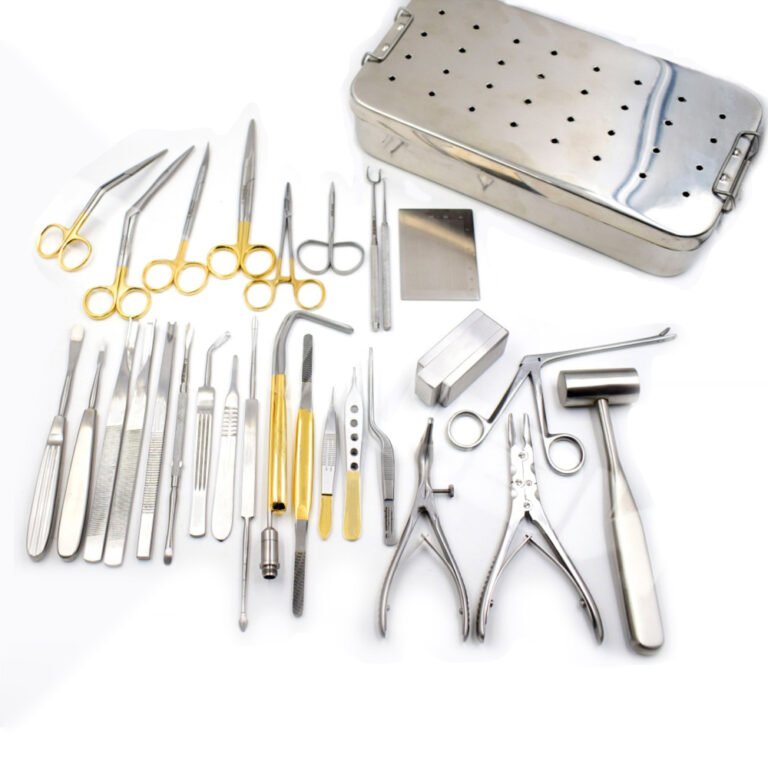
Sheen Rhinoplasty Instruments Set | NJ Medical Instruments
In stock
Facelift Surgery Sets: Instruments for Undermining and Flap Elevation
A facelift set is built around one demanding task: separating skin and SMAS from the tissue beneath, over a wide area, through incisions hidden at the hairline and around the ear. The surgeon is working several centimetres from the incision, often beneath tissue they cannot directly see, and close to facial nerve branches that do not recover from injury. That combination dictates the instrument list — long, fine, blunt-tipped scissors and elevators that separate tissue planes without cutting through them, and lighting or retraction that lets the surgeon see into a tunnel. NJ Medical Instruments assembles facelift sets in surgical-grade stainless steel, to standard configurations or to your own instrument list, supplied worldwide direct from the factory with OEM and private-label options.
Why the scissors are long and blunt
Undermining scissors do most of the work in a facelift, and their design is deliberate. The length reaches the far edge of the dissection from a small incision. The blunt tips allow the closed scissors to be pushed into the plane and opened to spread tissue apart — separating rather than cutting, so vessels and nerve branches are pushed aside instead of divided. The curve lets the surgeon see the tip and follow the contour of the face rather than travelling in a straight line through it.
Elevators, hooks and retraction
Facelift elevators and dissectors develop the plane where scissors are too aggressive, particularly close to the nerve. Skin hooks hold the flap edge under gentle traction without crushing skin that has to heal invisibly — a toothed forceps used here would leave marks. Fibre-optic or lighted retractors matter more in facelift than almost any other procedure, because the surgeon is working inside a tunnel where ambient theatre light does not reach.
What a facelift set contains
| Stage | Instrument | Purpose |
|---|---|---|
| Incision | Scalpel handle, fine blade | Hairline and pre-auricular incisions |
| Flap traction | Skin hooks, single and double | Lifting the flap edge without crushing |
| Undermining | Long curved facelift scissors | Separating skin and SMAS |
| Plane development | Facelift elevators and dissectors | Working close to nerve branches |
| Visibility | Lighted or fibre-optic retractors | Seeing into the dissection tunnel |
| Haemostasis | Fine artery forceps, bipolar forceps | Controlling bleeding at depth |
| Closure | Fine needle holders, thumb forceps | Tension-free closure |
Explore related instruments and sets
- Plastic Surgery Scissors and Dissectors & Elevators
- Hooks & Retractors and Thumb Forceps
- Endoscopic Face & Forehead Lift instruments
- All Medical Instrument Sets and Plastic Surgery Sets
All instruments are manufactured in surgical-grade stainless steel to international standards, reusable and autoclavable, with worldwide shipping.
Custom, bulk & OEM set assembly
As a direct manufacturer, NJ Medical Instruments assembles facelift sets to your own instrument list — your choice of scissor lengths, elevator patterns, hook sizes, and case — and supplies them in bulk to hospitals, aesthetic clinics, and distributors. OEM and private-label sets with custom laser marking are available. Send us your list by email at info@njmedicalinstruments.com or by WhatsApp and we will quote the complete set — no minimum-order barriers, no middlemen.
Frequently asked questions
What instruments are used in a facelift?
A facelift set centres on long curved blunt-tipped undermining scissors, facelift elevators and dissectors, skin hooks for flap traction, lighted or fibre-optic retractors for visibility in the dissection tunnel, fine haemostatic forceps, and fine needle holders for closure.
Why are facelift scissors blunt-tipped?
Blunt tips let the closed scissors be pushed into the tissue plane and opened to spread it apart, separating tissue rather than cutting it. This pushes vessels and facial nerve branches aside instead of dividing them.
Why are facelift scissors so long?
The dissection extends several centimetres from incisions hidden at the hairline and around the ear. Long scissors reach the far edge of the undermining while the surgeon works from that small access point.
Why are skin hooks used instead of forceps on the flap?
Skin hooks lift the flap edge with gentle point traction and do not crush the tissue. A toothed forceps gripping the same edge can leave marks on skin that must heal invisibly.
Why do facelift sets include lighted retractors?
Much of the dissection happens inside a tunnel beneath the skin where ambient theatre light does not reach. A lighted or fibre-optic retractor puts illumination at the working point rather than above it.
Can you build a custom facelift set?
Yes. We assemble sets to your own instrument list, with your choice of scissor lengths, elevator patterns, hook sizes, and case, including OEM and private-label sets with custom laser marking.