


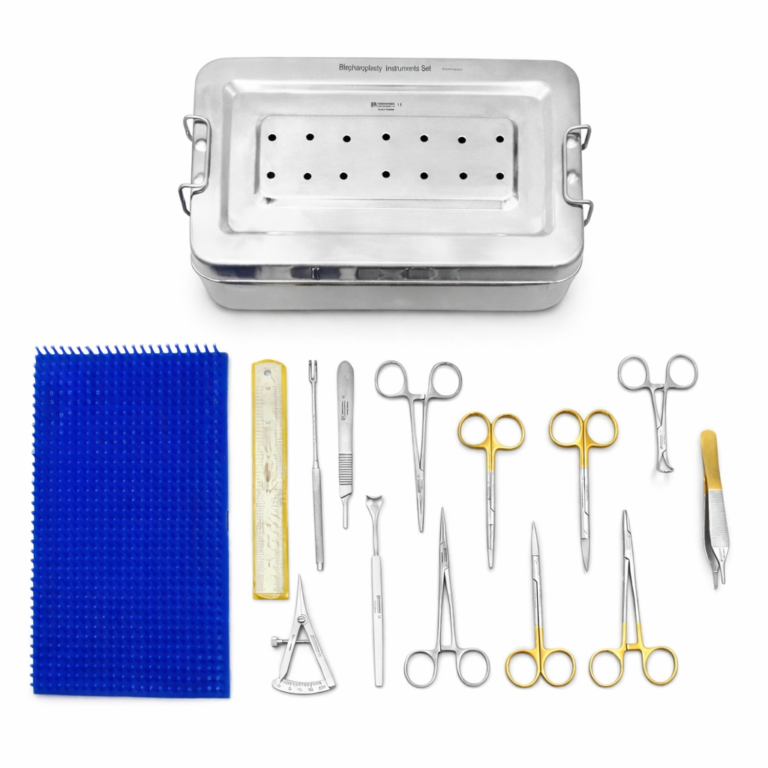
Blepharoplasty Instruments Set – 1 | NJ Medical Instruments
In stock
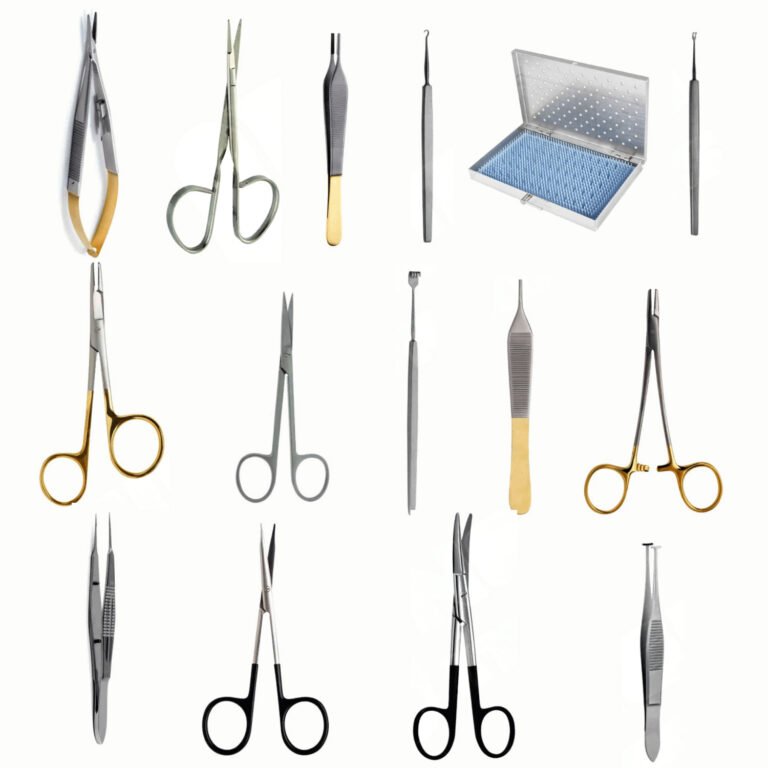
Blepharoplasty Instruments Set – 2 | NJ Medical Instruments
In stock
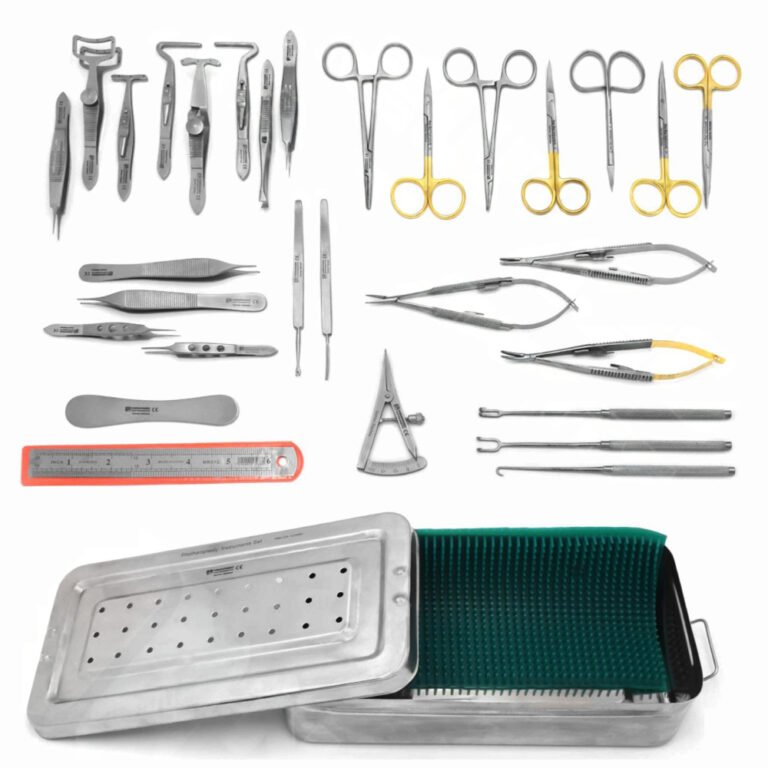
Blepharoplasty Instruments Set of 30 Pieces, Micro Eye Surgery Set | NJ Medical Instruments
In stock
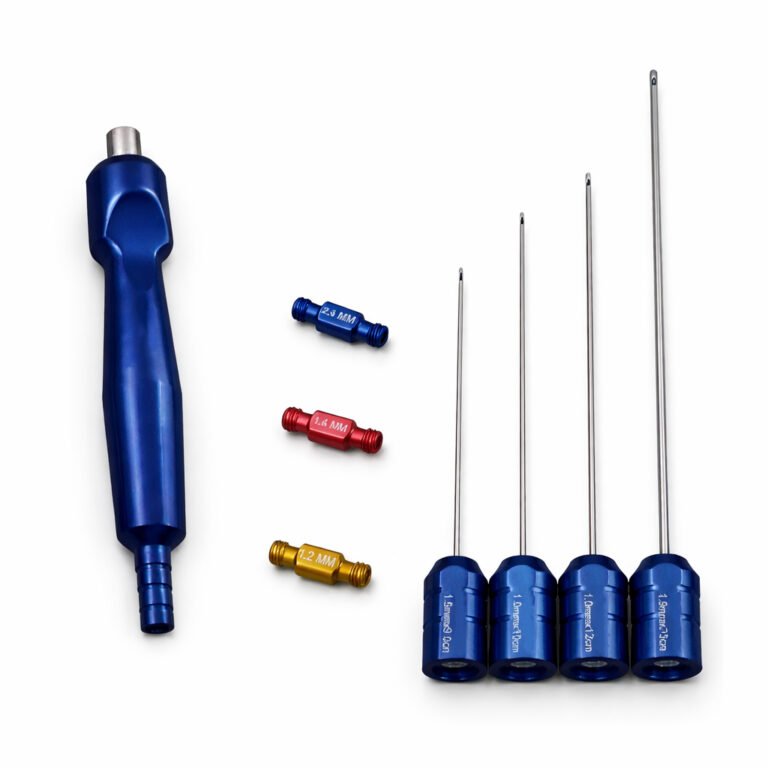
Blepharoplasty Liposuction Cannula Set – Fat Injection Set for Face | NJ Medical Instruments
In stock
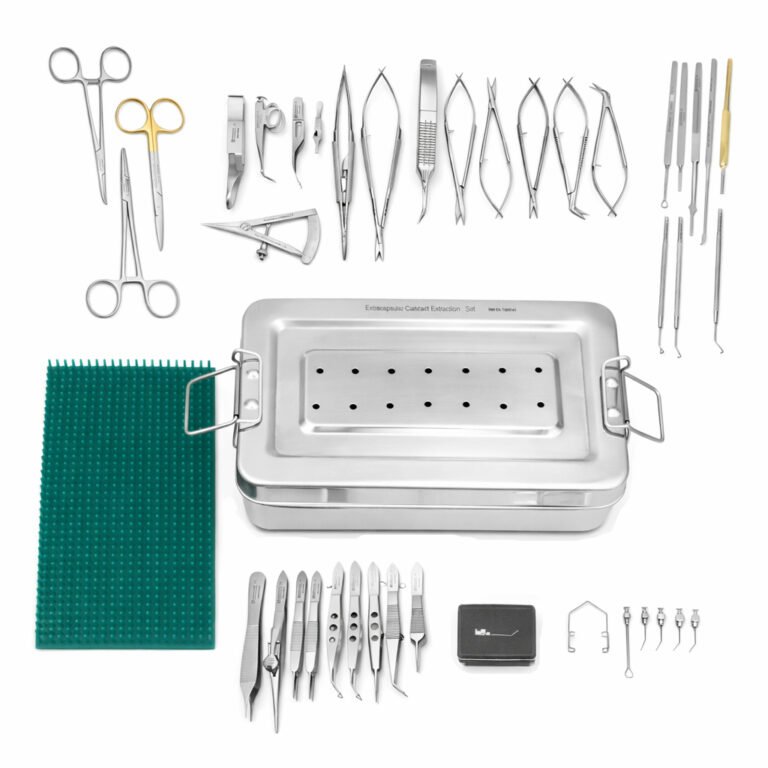
Extra Capsular Cataract Extraction Set (ECCE) | NJ Medical Instruments
In stock
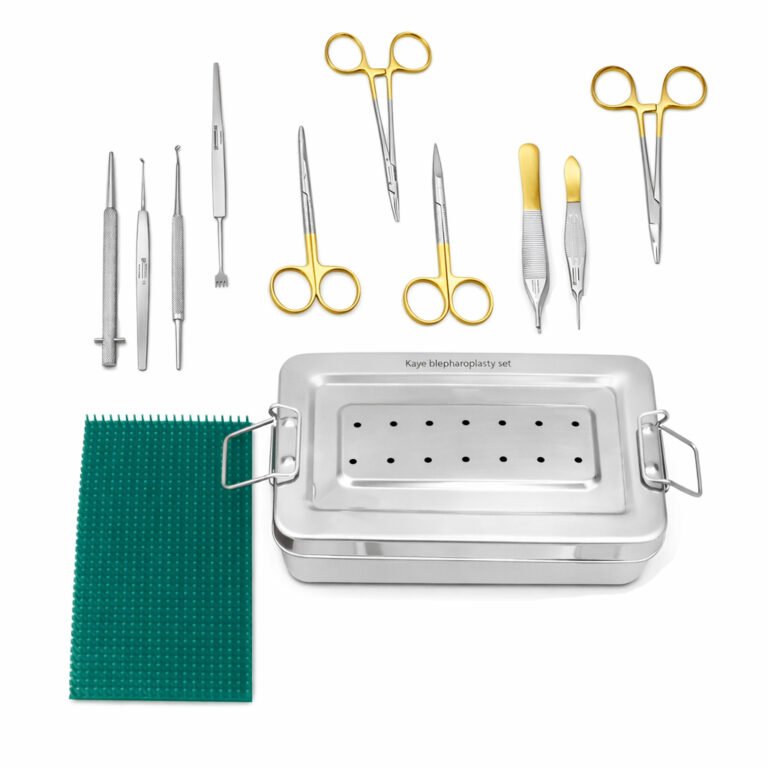
Kaye Blepharoplasty Instruments Set | NJ Medical Instruments
In stock
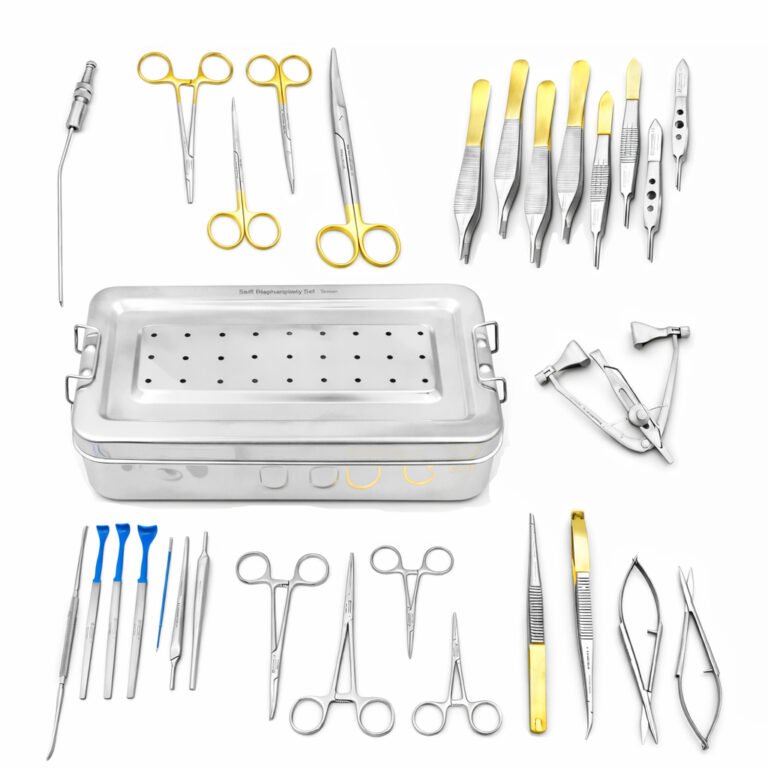
Seiff Blepharoplasty Instruments Set | NJ Medical Instruments
In stock
Blepharoplasty Sets: Instruments Scaled to Eyelid Tissue
Eyelid skin is the thinnest on the body, and a blepharoplasty set is built around that single fact. Instruments used elsewhere on the face are simply too heavy here: a standard toothed forceps crushes tissue that will show the mark, a general scissors blade is too thick to trim a millimetre of skin accurately, and the margin between removing too little and too much is measured in millimetres because the difference is visible on the patient's face for the rest of their life. Every instrument in this set is therefore a fine version of something — finer tips, shorter blades, lighter action. NJ Medical Instruments assembles blepharoplasty sets in surgical-grade stainless steel, to standard configurations or to your own instrument list, supplied worldwide direct from the factory with OEM and private-label options.
Marking before cutting
More than most procedures, blepharoplasty is decided before the first incision. The skin to be removed is marked with the patient upright, since lid position changes when supine, and calipers verify symmetry between the two sides. Once tissue is excised it cannot be replaced, so the measuring and marking stage carries as much weight as the cutting stage — and the set reflects that with calipers and fine markers alongside the cutting instruments.
The cutting and handling instruments
Blepharoplasty and tenotomy scissors are small with fine sharp tips, used to trim the marked skin strip and to open the orbital septum where fat is being addressed. Fine toothed forceps such as Adson-Brown or Bishop-Harmon hold the skin edge with the least possible crush — multiple fine teeth distribute the grip rather than concentrating it. Skin hooks provide traction with a single point rather than a clamping action. Chalazion clamps and lid plates stabilise and protect the globe while the surgeon works immediately above it.
Haemostasis close to the eye
Bleeding into the orbit is the complication that matters here, so haemostasis is deliberate rather than incidental. Fine bipolar forceps are preferred over monopolar because the current stays confined between the two tips, which is what you want when working millimetres from the globe and the extraocular muscles.
What a blepharoplasty set contains
| Stage | Instrument | Why this pattern |
|---|---|---|
| Planning | Calipers and fine skin marker | Symmetry decided before excision |
| Protection | Lid plate / corneal shield | Guards the globe during cutting |
| Incision | Fine scalpel handle, small blade | Precision on very thin skin |
| Traction | Skin hooks, fine | Point traction without crushing |
| Holding | Bishop-Harmon / Adson-Brown forceps | Multiple fine teeth spread the grip |
| Trimming | Blepharoplasty and tenotomy scissors | Short fine blades, sharp tips |
| Haemostasis | Fine bipolar forceps | Current confined between tips |
| Closure | Castroviejo needle holder | Spring handle for very fine suture |
Explore related instruments and sets
- Plastic Surgery Scissors and Thumb Forceps
- Measuring & Marking Instruments and Hooks & Retractors
- Needle Holders including Castroviejo patterns
- All Medical Instrument Sets and Ophthalmic Surgery Sets
All instruments are manufactured in surgical-grade stainless steel to international standards, reusable and autoclavable, with worldwide shipping.
Custom, bulk & OEM set assembly
As a direct manufacturer, NJ Medical Instruments assembles blepharoplasty sets to your own instrument list — your choice of scissor patterns, forceps, hooks, and case — and supplies them in bulk to hospitals, oculoplastic and aesthetic clinics, and distributors. OEM and private-label sets with custom laser marking are available. Send us your list by email at info@njmedicalinstruments.com or by WhatsApp and we will quote the complete set — no minimum-order barriers, no middlemen.
Frequently asked questions
What instruments are in a blepharoplasty set?
A blepharoplasty set contains calipers and markers for planning, a lid plate to protect the globe, a fine scalpel handle, skin hooks and fine toothed forceps for handling, blepharoplasty and tenotomy scissors for trimming, fine bipolar forceps for haemostasis, and a Castroviejo needle holder for closure.
Why are blepharoplasty instruments so fine?
Eyelid skin is the thinnest on the body and the margin between removing too little and too much is measured in millimetres. Heavier instruments crush tissue that will show the mark and cannot trim accurately at that scale.
Why are calipers included in the set?
The skin to be removed is marked and measured before any incision, with symmetry verified between the two sides. Once tissue is excised it cannot be replaced, so the measuring stage carries as much weight as the cutting.
Why are bipolar rather than monopolar forceps used?
Bipolar current passes only between the two tips, so the effect stays confined to the tissue held between them. Working millimetres from the globe and the extraocular muscles, that containment is the reason bipolar is preferred.
What is a lid plate used for?
It sits beneath the eyelid to support the tissue being cut and to shield the globe from the instruments working immediately above it.
Can you build a custom blepharoplasty set?
Yes. We assemble sets to your own instrument list, with your choice of scissor patterns, forceps, hooks, and case, including OEM and private-label sets with custom laser marking.