


-20%
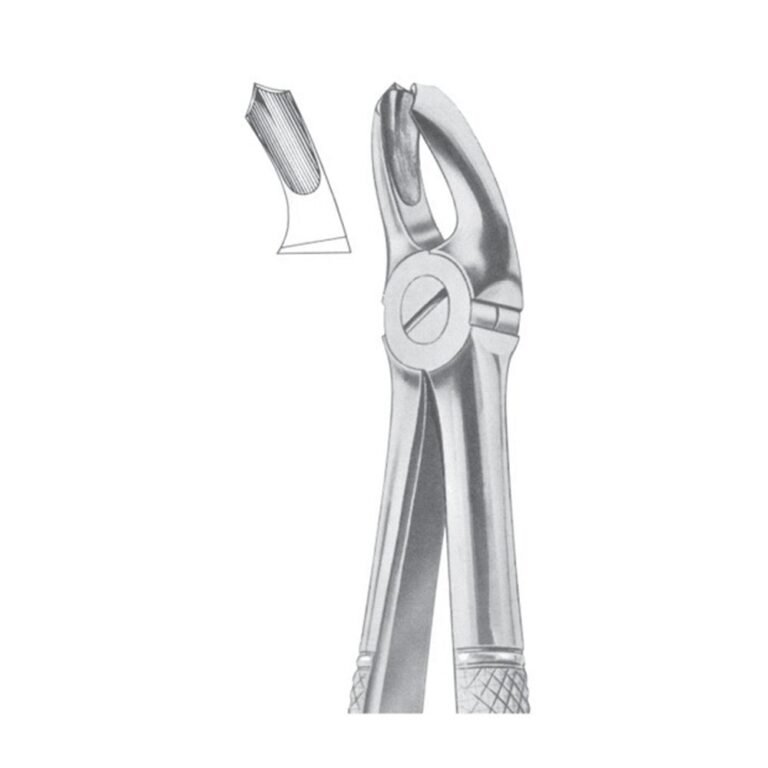
Fig. 18A Upper Molars | NJ Medical Instruments
Dental Instruments for Clinics, Hospitals, and Professional Buyers Dental Extracting Forceps for Clinics, Hospitals, and Professional Buyers
In stock
Original price was: $ 25.$ 20Current price is: $ 20.
SKU:
NJM-20013
-20%
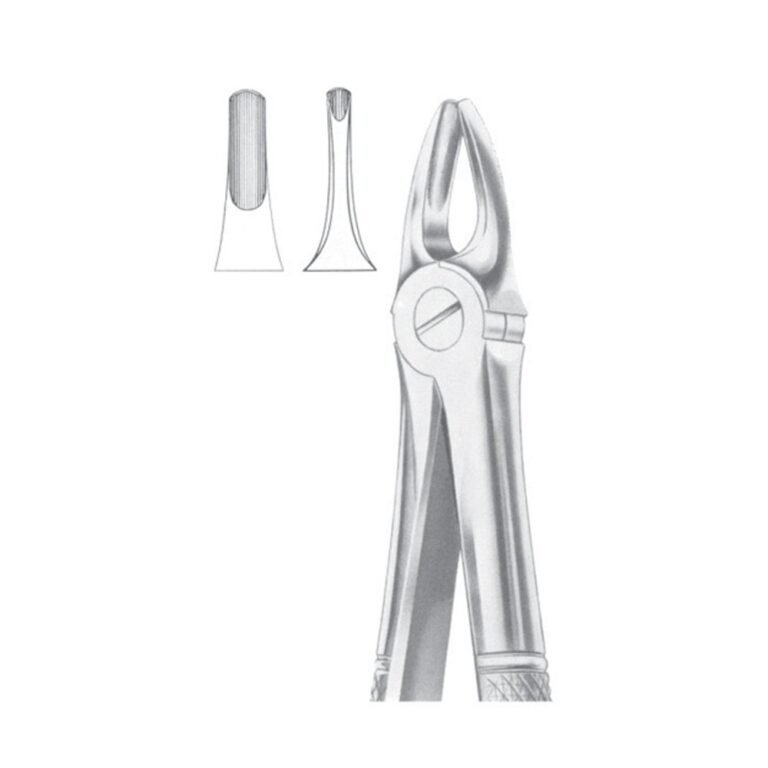
Fig. 3 Upper Incisors & Canines | NJ Medical Instruments
Dental Instruments for Clinics, Hospitals, and Professional Buyers Dental Extracting Forceps for Clinics, Hospitals, and Professional Buyers
In stock
Original price was: $ 25.$ 20Current price is: $ 20.
SKU:
NJM-20005
-23%
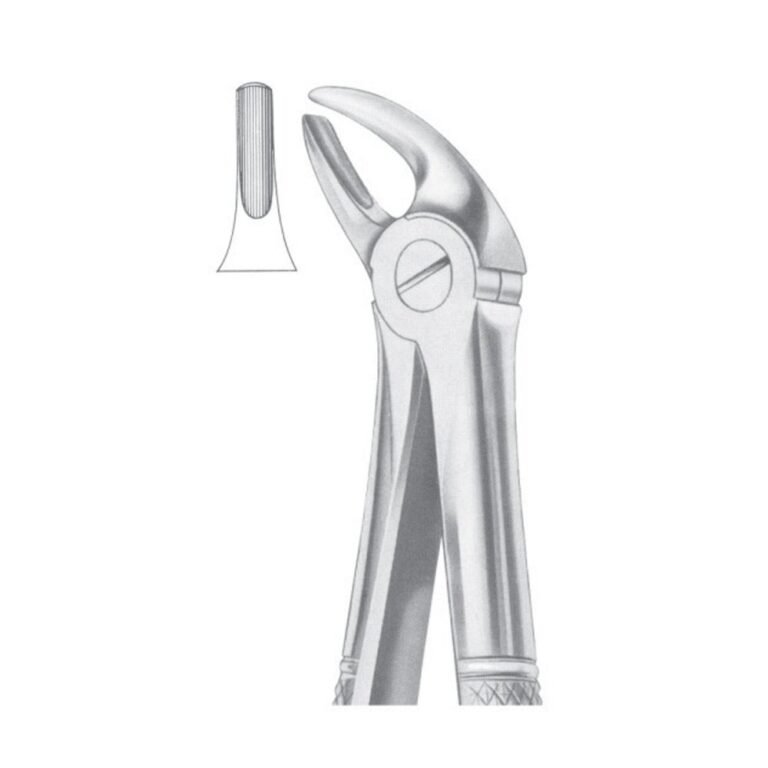
Fig. 4 Upper Incisors & Canines | NJ Medical Instruments
Dental Instruments for Clinics, Hospitals, and Professional Buyers Dental Extracting Forceps for Clinics, Hospitals, and Professional Buyers
In stock
Original price was: $ 26.$ 20Current price is: $ 20.
SKU:
NJM-20006
-23%
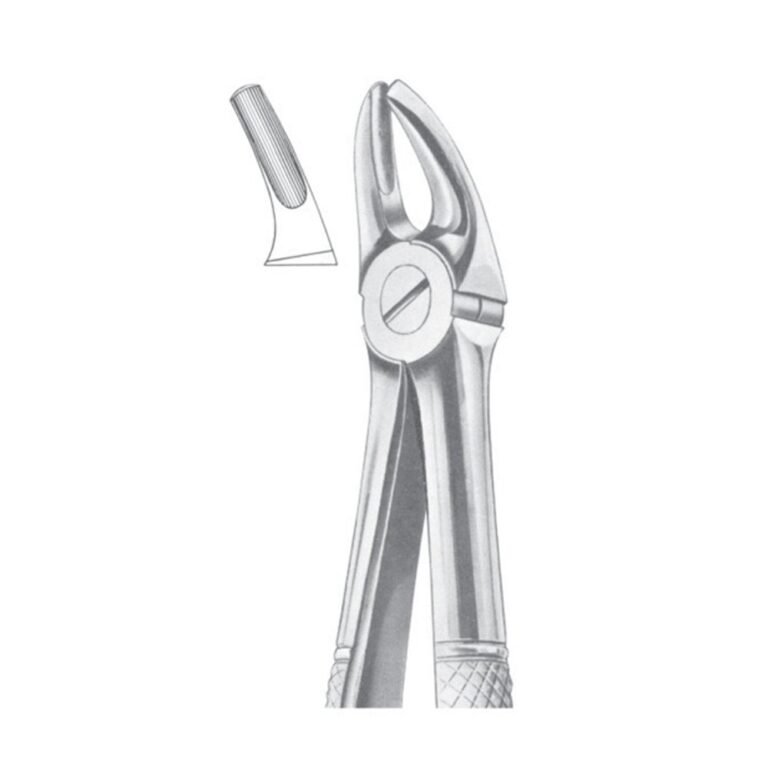
Fig. 7 Upper Premolars | NJ Medical Instruments
Dental Instruments for Clinics, Hospitals, and Professional Buyers Dental Extracting Forceps for Clinics, Hospitals, and Professional Buyers
In stock
Original price was: $ 26.$ 20Current price is: $ 20.
SKU:
NJM-20007
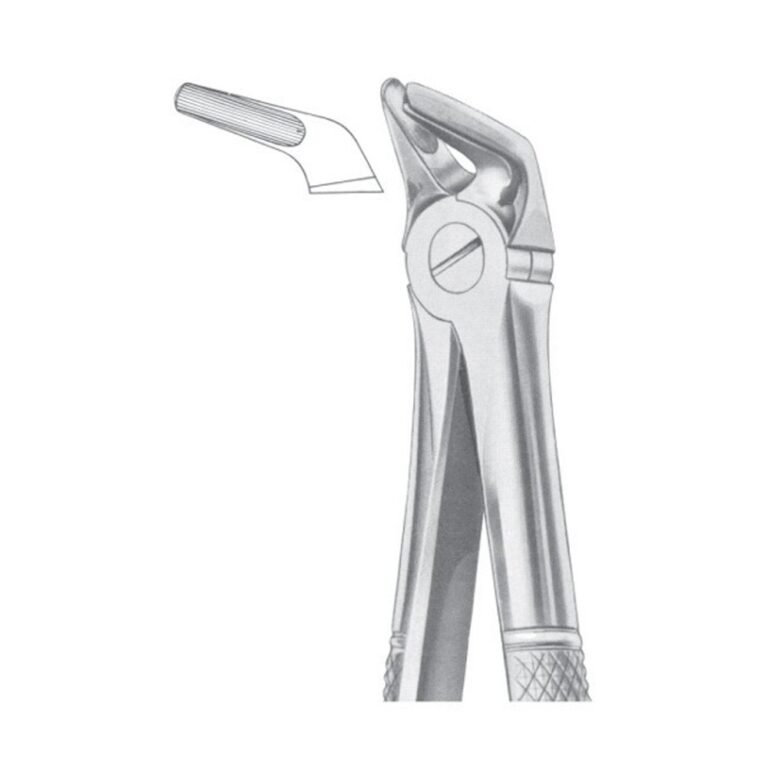
-19%
Fig. 8 Lower Premolars | NJ Medical Instruments
Dental Instruments for Clinics, Hospitals, and Professional Buyers Dental Extracting Forceps for Clinics, Hospitals, and Professional Buyers
In stock
Original price was: $ 26.$ 21Current price is: $ 21.
SKU:
NJM-20008
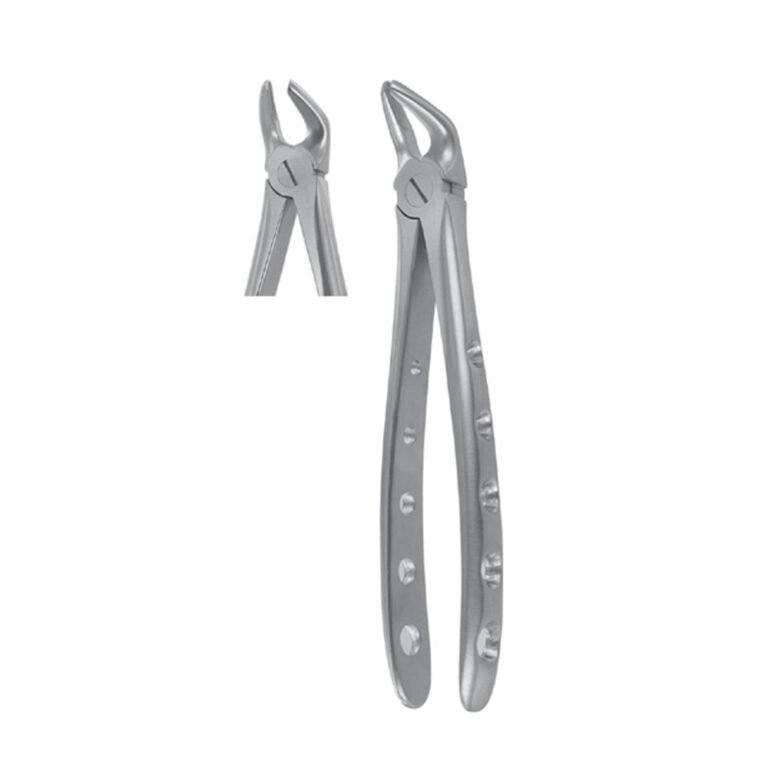
-20%
Fig. 8, Lower Premolars | NJ Medical Instruments
Dental Instruments for Clinics, Hospitals, and Professional Buyers Dental Extracting Forceps for Clinics, Hospitals, and Professional Buyers
In stock
Original price was: $ 25.$ 20Current price is: $ 20.
SKU:
NJM-20002
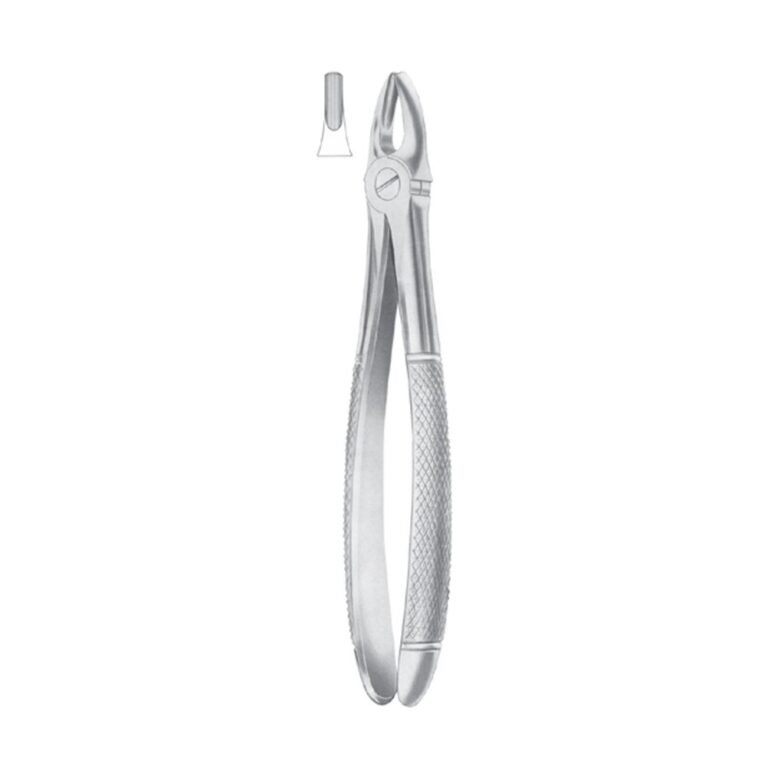
-23%
Fig.1 Upper Centrals & Canines | NJ Medical Instruments
Dental Instruments for Clinics, Hospitals, and Professional Buyers Dental Extracting Forceps for Clinics, Hospitals, and Professional Buyers
In stock
Original price was: $ 26.$ 20Current price is: $ 20.
SKU:
NJM-20003
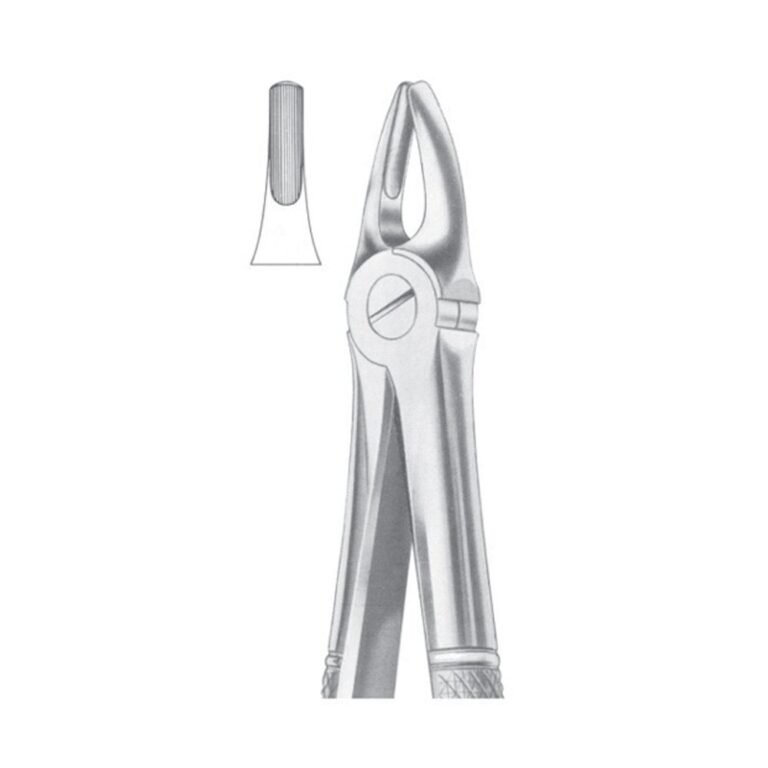
-23%
Fig.2 Upper Laterals & Canines | NJ Medical Instruments
Dental Instruments for Clinics, Hospitals, and Professional Buyers Dental Extracting Forceps for Clinics, Hospitals, and Professional Buyers
In stock
Original price was: $ 26.$ 20Current price is: $ 20.
SKU:
NJM-20004
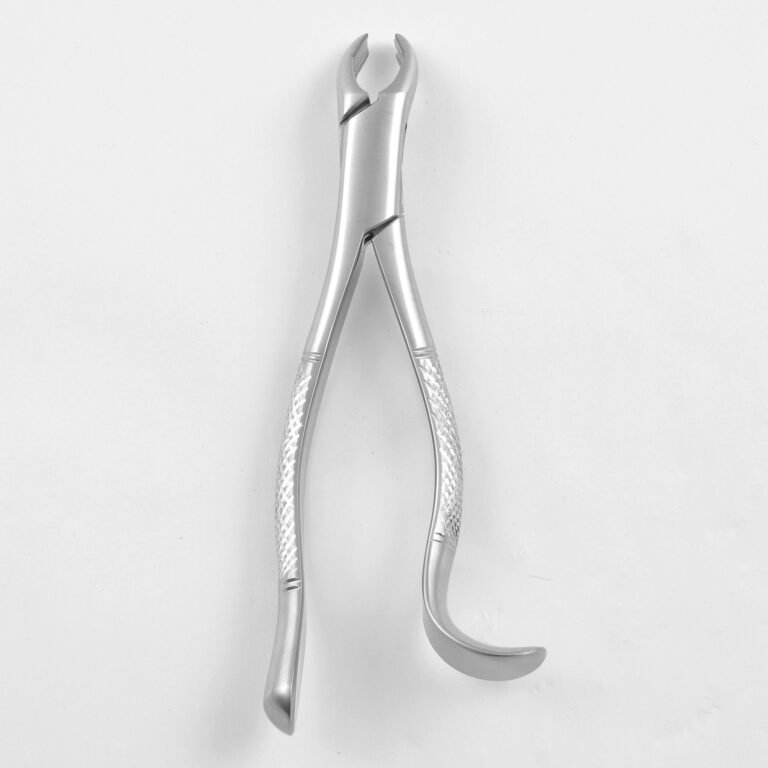
-33%
Harris Upper Molars Right Side, American Pattern, Extracting Forceps | NJ Medical Instruments
Dental Instruments for Clinics, Hospitals, and Professional Buyers Dental Extracting Forceps for Clinics, Hospitals, and Professional Buyers
In stock
Original price was: $ 30.$ 20Current price is: $ 20.
SKU:
NJM-26031
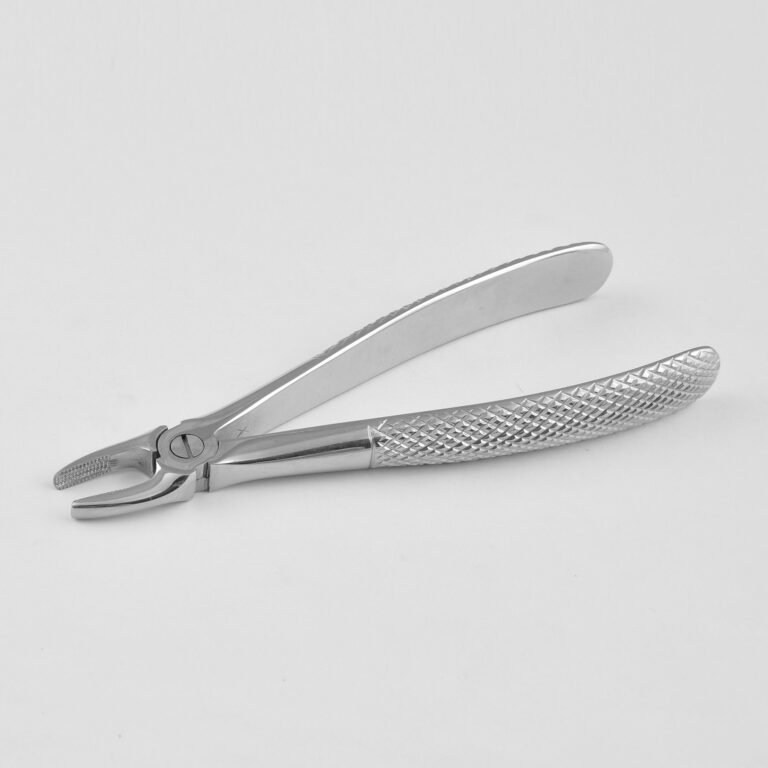
-33%
Pedodontic Extraction Forceps For Children | NJ Medical Instruments
Dental Instruments for Clinics, Hospitals, and Professional Buyers Dental Extracting Forceps for Clinics, Hospitals, and Professional Buyers
In stock
Original price was: $ 30.$ 20Current price is: $ 20.
SKU:
NJM-26032
Dental Extracting Forceps: Numbers, Patterns & Which Tooth They Fit
Dental extracting forceps are identified by a number, and that number tells you exactly which tooth the instrument was designed for. The system is not arbitrary: the beaks of each pattern are shaped to match the crown and root anatomy of one tooth group, and angled so the forceps can reach it while the patient's mouth is open. Using the correct number means the beaks seat on the root surface below the crown and apply force along the long axis of the tooth — using the wrong one concentrates force on the crown and is the commonest cause of a fractured tooth during extraction. NJ Medical Instruments manufactures the full range in surgical-grade stainless steel, supplied worldwide direct from the factory for individual purchase and for bulk, wholesale, and OEM/private-label supply.How the numbering works
The pattern number encodes the tooth group and the side. Upper and lower forceps differ in the angle between handle and beak — upper forceps are generally straight or gently curved, while lower forceps are angled close to 90° so the operator can approach from below. Molar forceps are side-specific (right and left) because the beak has to engage the buccal furcation, which sits on opposite sides depending on which side of the arch you are working.Cowhorn and other specialised patterns
Cowhorn forceps (such as No. 23) have two pointed beaks that engage the bifurcation of a lower molar. Squeezing the handles wedges the beaks into the furcation and elevates the tooth out of its socket, rather than gripping and pulling — useful for a badly decayed molar with insufficient crown to grasp. Root forceps have fine, narrow beaks that reach retained roots below the gingival margin, and eagle beak patterns offer a longer, more curved reach than standard molar forceps.Common forceps numbers and the teeth they fit
| Forceps no. | Arch | Teeth |
|---|---|---|
| No. 1 | Upper | Incisors & canines |
| No. 150 | Upper (universal) | Incisors, canines & premolars |
| No. 18R / 18L | Upper | 1st & 2nd molars, right / left |
| No. 53R / 53L | Upper | 1st & 2nd molars, right / left |
| No. 151 | Lower (universal) | Incisors, canines & premolars |
| No. 23 (cowhorn) | Lower | Molars — engages the bifurcation |
| Root forceps | Both | Retained roots & fragments |
Explore related dental instruments
- All Dental Instruments
- Dental Elevators for luxating before extraction
- Amalgam Pluggers, Condensers & Burnishers
- Mouth Mirrors, Scalers, Explorers & Probes