Blog
Step-by-Step Guide to Importing Surgical Instruments with Reliable Suppliers


Importing surgical instruments can be a highly profitable and strategic business for hospitals, distributors, and medical suppliers. However, it also requires strict attention to quality standards, certifications, documentation, and supplier reliability.
A single mistake in sourcing or compliance can lead to delays, financial loss, or even rejection of shipments at customs. This guide provides a clear step-by-step roadmap to successfully import surgical instruments from trusted suppliers.
Step 1: Understand Market Demand and Instrument Categories

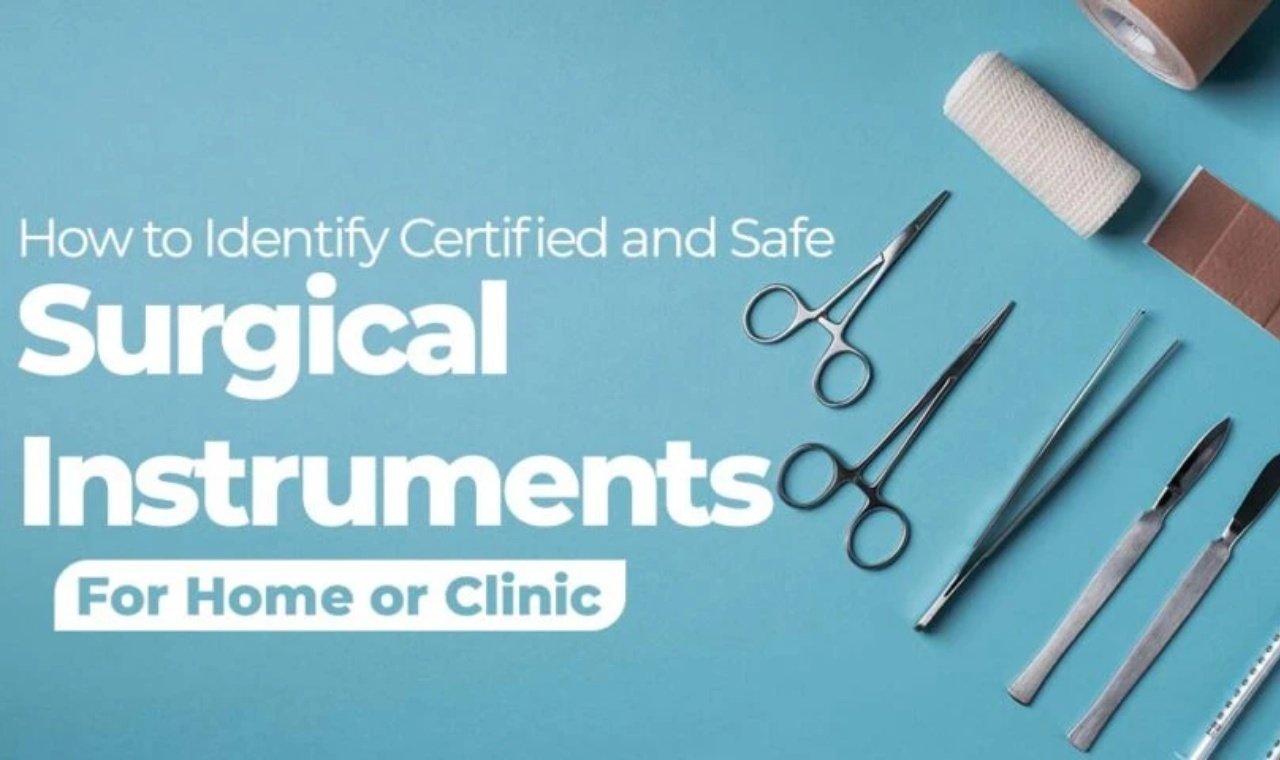
Before importing, identify what the market needs. Surgical instruments are generally divided into categories such as:
- Cutting instruments (scalpels, scissors)
- Grasping instruments (forceps, clamps)
- Retracting instruments (retractors)
- Suturing instruments (needle holders)
Understanding demand helps you avoid overstocking and improve profitability.
Step 2: Find Reliable and Certified Suppliers
Choosing the right supplier is the most important step in the import process. A reliable supplier should offer:
- ISO 13485 certification
- CE marking compliance
- FDA registration (for applicable markets)
- Transparent product documentation
- Export experience in medical devices
A trusted supplier ensures consistent quality and smooth international trade operations.
Step 3: Verify Product Quality and Samples
Never import without verifying quality. Always:
- Request physical samples
- Test instrument durability and sharpness
- Check corrosion resistance
- Evaluate finishing and alignment
This step ensures you avoid low-grade or counterfeit products.

Step 4: Check Certifications and Compliance Documents
Importing medical instruments requires strict regulatory compliance. Ensure your supplier provides:
- Certificate of Origin
- ISO 13485 certification
- CE certificates (for EU markets)
- FDA registration documents (if applicable)
- Material safety and testing reports
These documents are essential for customs clearance and legal compliance.
Step 5: Understand Packaging and Sterilization Standards
Proper packaging ensures product safety during shipping. High-quality suppliers provide:
- Sterile packaging options
- Rust protection coatings
- Shock-resistant export boxes
- Clear labeling and batch numbers
This helps maintain product integrity during long-distance transport.
Step 6: Manage Shipping and Logistics
Choose the right shipping method based on urgency and cost:
- Air freight: Faster, more expensive
- Sea freight: Cost-effective for bulk orders
Also ensure:
- Proper HS codes
- Customs documentation accuracy
- Insurance coverage for goods

Step 7: Work with Customs and Import Regulations
Every country has specific import rules for medical devices. You must:
- Declare correct product classification
- Pay applicable duties and taxes
- Submit certification documents
- Follow health authority regulations
Proper compliance ensures smooth clearance without delays.
Step 8: Build Long-Term Supplier Relationships
Strong supplier relationships lead to:
- Better pricing for bulk orders
- Priority production and shipping
- Consistent product quality
- Flexible payment terms
Long-term partnerships are key for scaling your import business successfully.
Trusted Supplier for Surgical Instruments
When importing surgical instruments, working with a reliable manufacturer is crucial. NJ Medical Instruments offers high-quality surgical tools designed for global standards, making them a trusted choice for hospitals and distributors worldwide.
Their focus on precision manufacturing, certifications, and export readiness ensures smooth international sourcing.
👉 Explore here:
https://njmedicalinstruments.com/
Common Importing Mistakes to Avoid
- Ignoring supplier certifications
- Skipping product sampling
- Choosing suppliers based only on price
- Incomplete import documentation
- Poor logistics planning
Avoiding these mistakes helps prevent financial losses and shipment delays.
Conclusion
Importing surgical instruments successfully requires careful planning, strict quality checks, and reliable supplier partnerships. From selecting certified manufacturers to managing logistics, each step plays a vital role in ensuring safe and profitable imports.
With the right strategy, businesses can build a sustainable and high-value medical supply chain.
🚀 Start Importing with Confidence Today
Don’t take risks with uncertified or low-quality suppliers. Choose instruments that meet international standards and ensure smooth global trade operations.
👉 Visit https://njmedicalinstruments.com/ today to connect with a trusted supplier and start sourcing premium surgical instruments with confidence.