Blog
Latest Trends in Surgical Instruments and Where Healthcare Providers Are Buying Them

The healthcare industry is rapidly evolving, and surgical instruments are at the center of this transformation. From smart technology integration to cost-effective procurement strategies, modern surgical tools are designed to improve precision, efficiency, and patient outcomes.
For hospitals, clinics, and distributors, staying updated with the latest trends is not just an option—it’s a necessity. In this guide, we explore the most important innovations shaping surgical instruments and where healthcare providers are sourcing them online.
1. Shift Toward Minimally Invasive Surgical Instruments
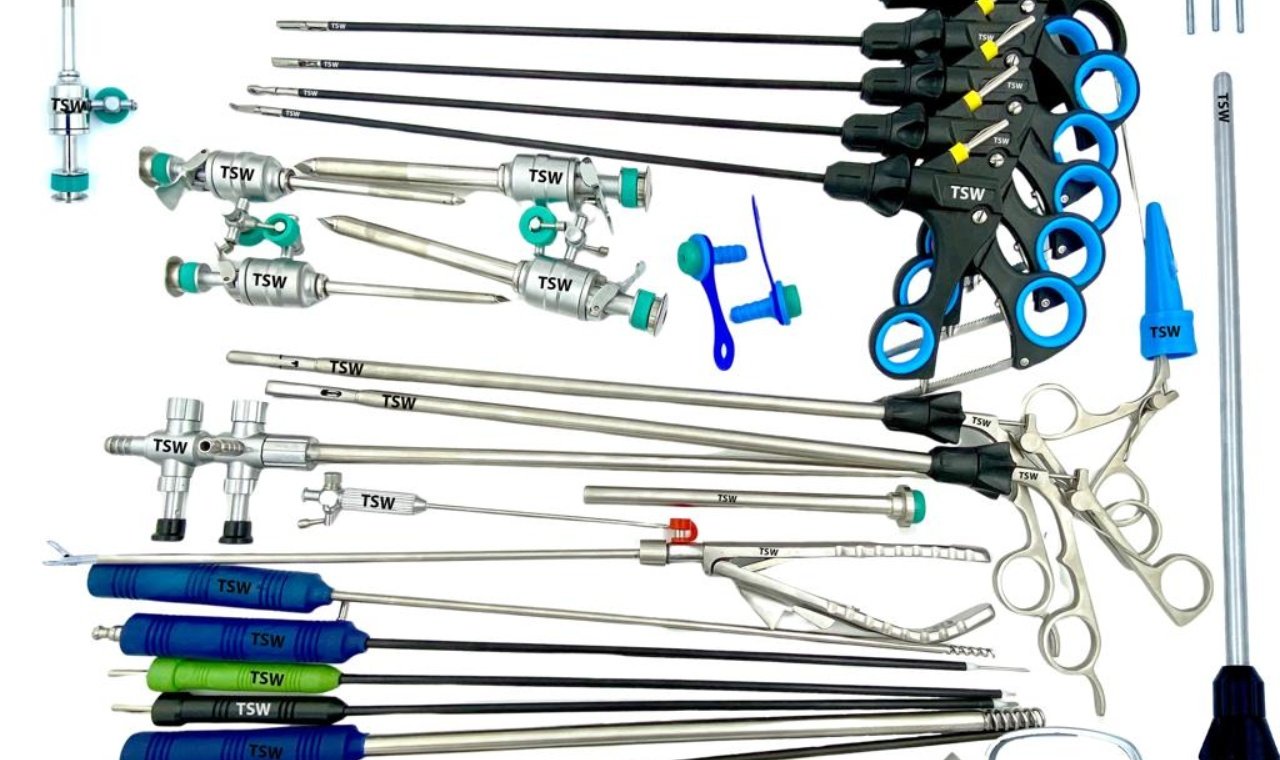
One of the biggest trends in modern healthcare is the increasing preference for minimally invasive procedures. These procedures require specialized instruments such as laparoscopic tools, fine forceps, and precision scissors.
Minimally invasive surgery reduces recovery time, minimizes complications, and improves patient satisfaction. As a result, hospitals are investing heavily in advanced instruments that support these procedures.

2. Rise of Smart and Sensor-Enabled Surgical Tools
Technology is redefining surgical precision. Smart surgical instruments equipped with sensors and digital tracking systems are becoming increasingly popular.

These tools can monitor tissue interaction, provide real-time feedback, and improve surgical accuracy. Innovations in sensor-enabled devices are helping surgeons make better decisions during procedures.
Additionally, tracking technologies like RFID and UDI marking are improving inventory management and reducing instrument loss.
3. Growth of Single-Use and Hybrid Instruments
Healthcare providers are increasingly adopting single-use surgical instruments to reduce infection risks and eliminate sterilization costs.

Single-use instruments ensure sterility and save time, especially in high-volume surgical environments. The market for these tools is growing steadily due to their efficiency and safety benefits.
Hybrid instruments, combining reusable handles with disposable tips, offer a balance between cost and sustainability.
4. Integration of Robotics in Surgery
Robotic-assisted surgery is no longer futuristic—it is now a key part of modern healthcare systems.

Robotic systems enhance precision, control, and flexibility, especially in complex procedures. The global market for robotic surgery continues to expand as hospitals adopt these advanced technologies.

5. Advanced Materials and Ergonomic Designs
Modern surgical instruments are now manufactured using high-quality materials like titanium alloys and improved stainless steel. These materials offer better durability, corrosion resistance, and lightweight handling.
Ergonomic designs are also becoming essential, helping surgeons reduce fatigue and improve performance during long procedures.
Where Healthcare Providers Are Buying Surgical Instruments
With digital transformation, healthcare providers are shifting toward online sourcing platforms for surgical instruments. Here’s why:
- Access to a wide product range
- Competitive pricing and bulk discounts
- Verified certifications and quality assurance
- Convenient global shipping
Trusted suppliers play a critical role in ensuring quality and reliability. Buyers should always choose manufacturers that meet international standards and offer transparent product details.
Take the Next Step Toward Surgical Excellence
Choosing the right supplier is just as important as choosing the right instrument. Healthcare providers need partners they can trust for consistent quality, durability, and performance.
If you’re looking for premium-grade surgical instruments that meet international standards, explore:
👉 NJ Medical Instruments
From precision-crafted tools to bulk supply solutions, NJ Medical Instruments delivers reliability that healthcare professionals depend on.
Conclusion
The surgical instruments industry is evolving rapidly with innovations in technology, materials, and procurement methods. From smart tools and robotics to disposable instruments and ergonomic designs, these trends are transforming surgical care worldwide.
Healthcare providers who stay ahead of these trends and source from trusted suppliers, can improve efficiency, reduce costs, and deliver better patient outcomes.