


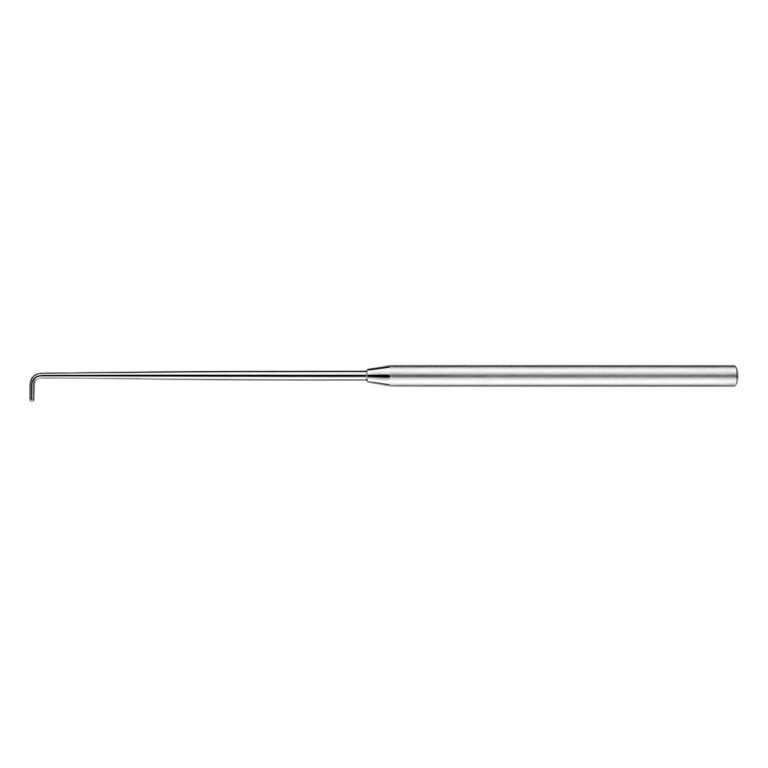
-18%
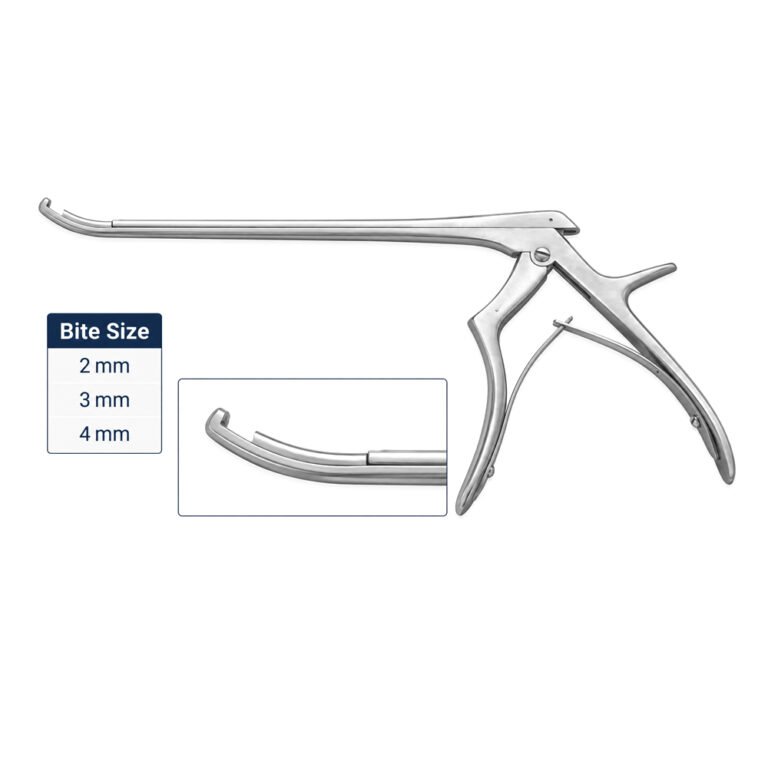
-12%
Curved Foramenotomy Punch
In stock
Original price was: $ 34.$ 30Current price is: $ 30.
Select options
This product has multiple variants. The options may be chosen on the product page
SKU:
NJMSS-08
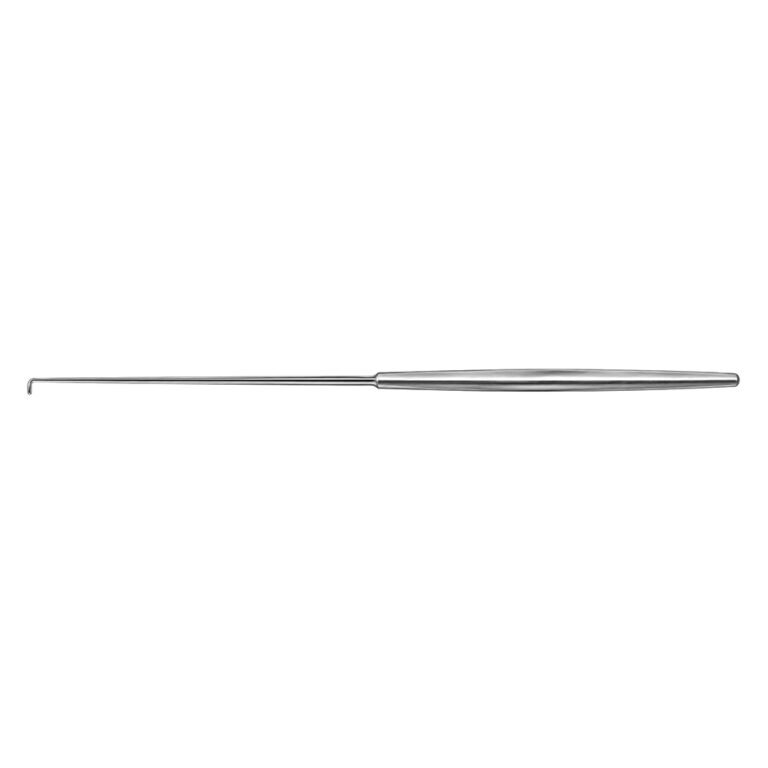
-14%
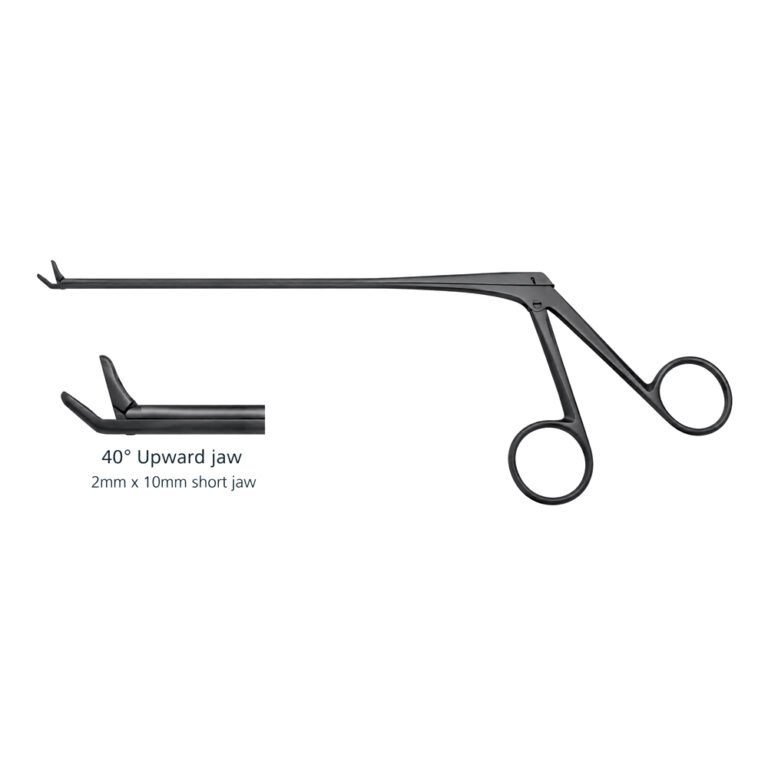
-12%
Cushing Disc Rongeur
In stock
Original price was: $ 34.$ 30Current price is: $ 30.
Select options
This product has multiple variants. The options may be chosen on the product page
SKU:
NJMSS-20
-13%
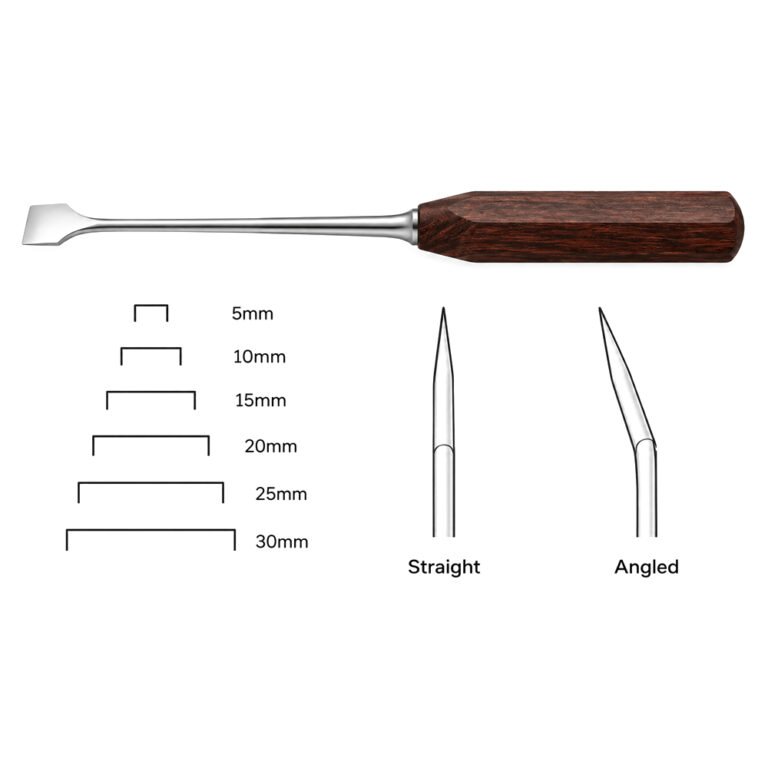
Dahmen Osteotome
In stock
Original price was: $ 80.$ 70Current price is: $ 70.
Select options
This product has multiple variants. The options may be chosen on the product page
-20%
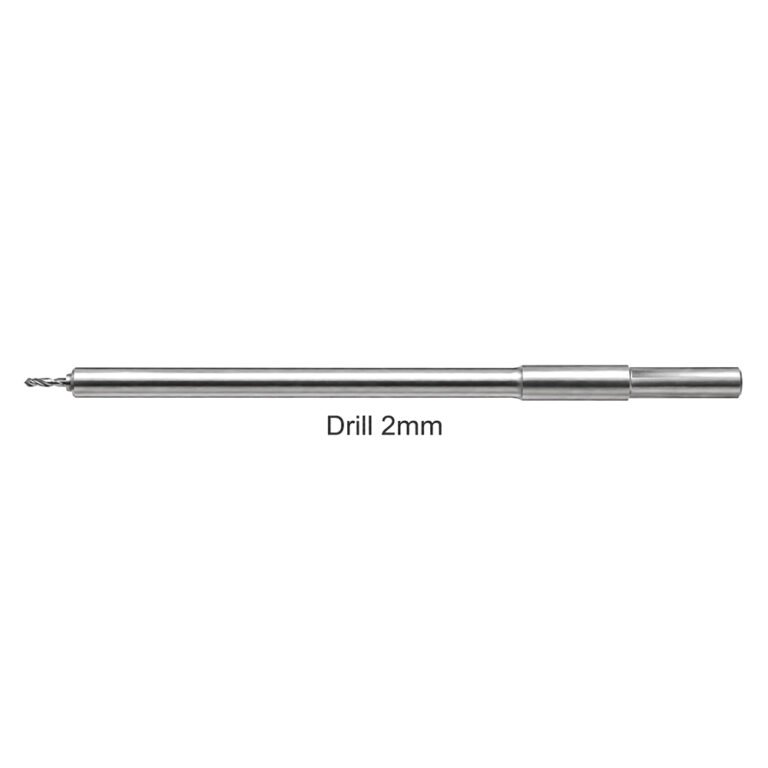
Distraction Drill
Spinal Surgical Instrumentation for Hospitals and Professional Buyers CASPAR CERVICAL DISTRACTION SET
In stock
Original price was: $ 49.$ 39Current price is: $ 39.
SKU:
NJMSS-110
-10%
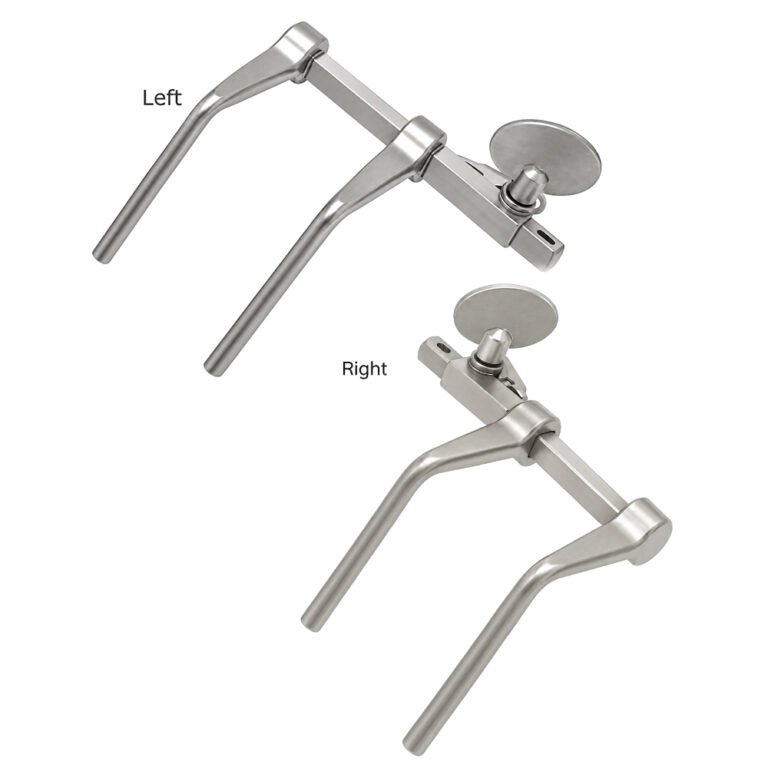
Distraction Retractors
Spinal Surgical Instrumentation for Hospitals and Professional Buyers CASPAR CERVICAL DISTRACTION SET
In stock
Original price was: $ 99.$ 89Current price is: $ 89.
Select options
This product has multiple variants. The options may be chosen on the product page
-13%
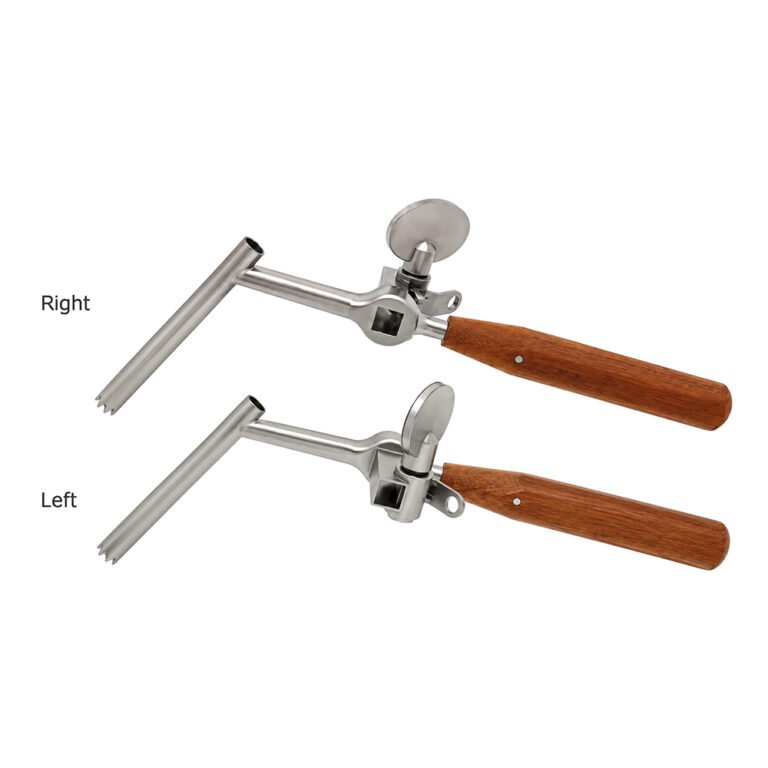
Drill Guide
Spinal Surgical Instrumentation for Hospitals and Professional Buyers CASPAR CERVICAL DISTRACTION SET
In stock
Original price was: $ 79.$ 69Current price is: $ 69.
Select options
This product has multiple variants. The options may be chosen on the product page
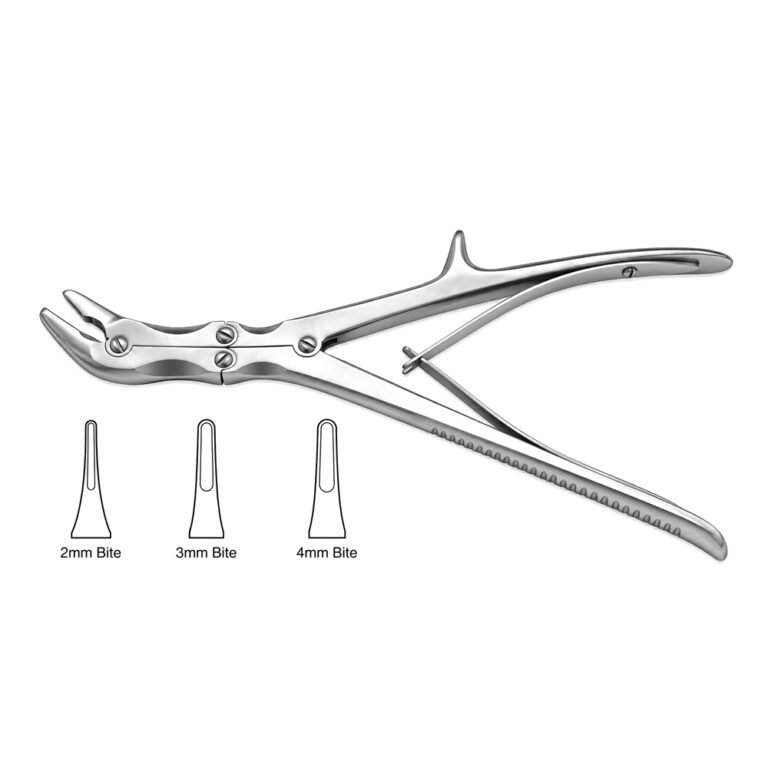
-12%
Echlin Duckbill Nibbler
In stock
Original price was: $ 85.$ 75Current price is: $ 75.
Select options
This product has multiple variants. The options may be chosen on the product page
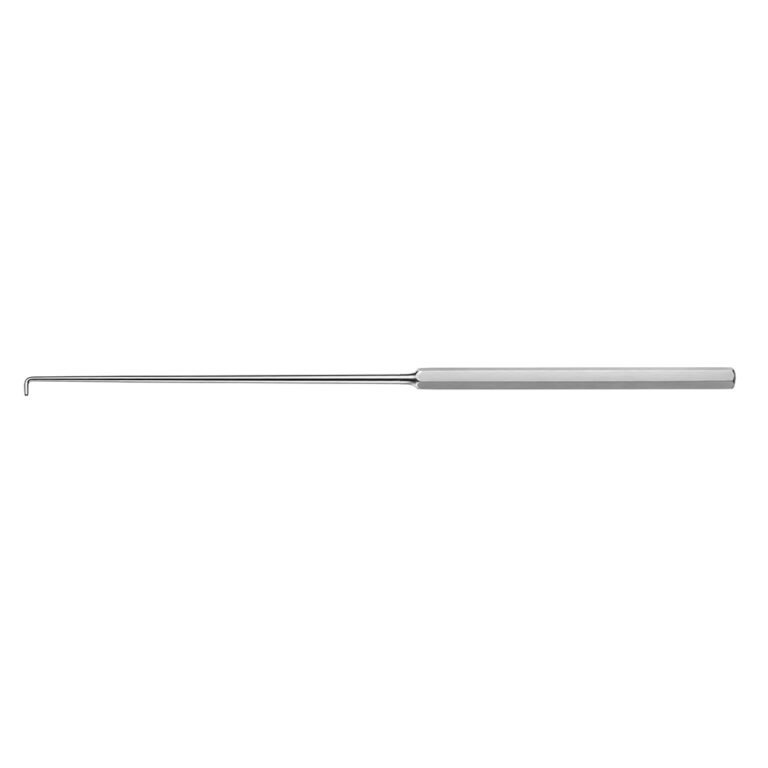
-18%
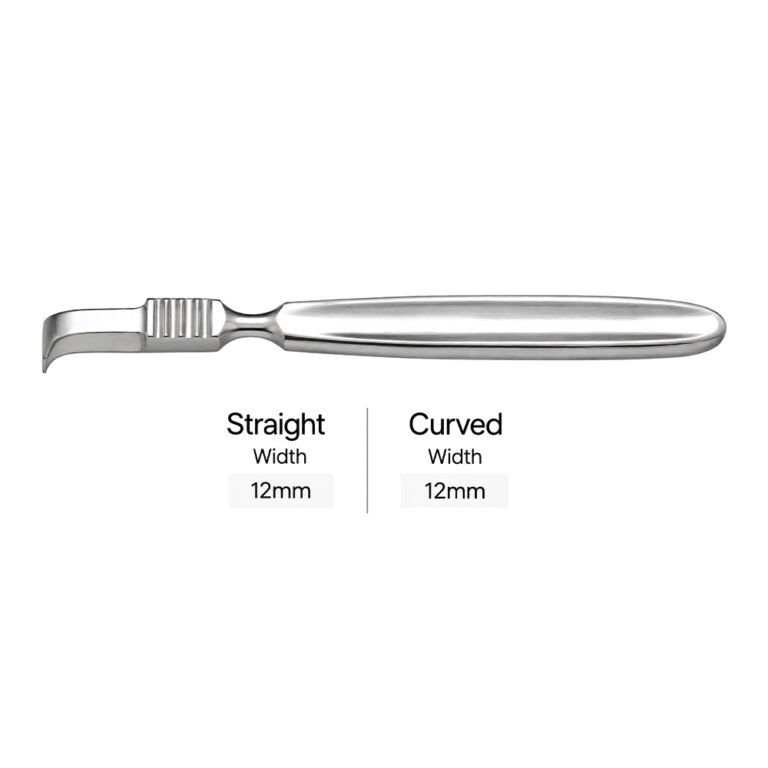
-22%
Farabeuf Rugine Elevator
In stock
Original price was: $ 45.$ 35Current price is: $ 35.
Select options
This product has multiple variants. The options may be chosen on the product page
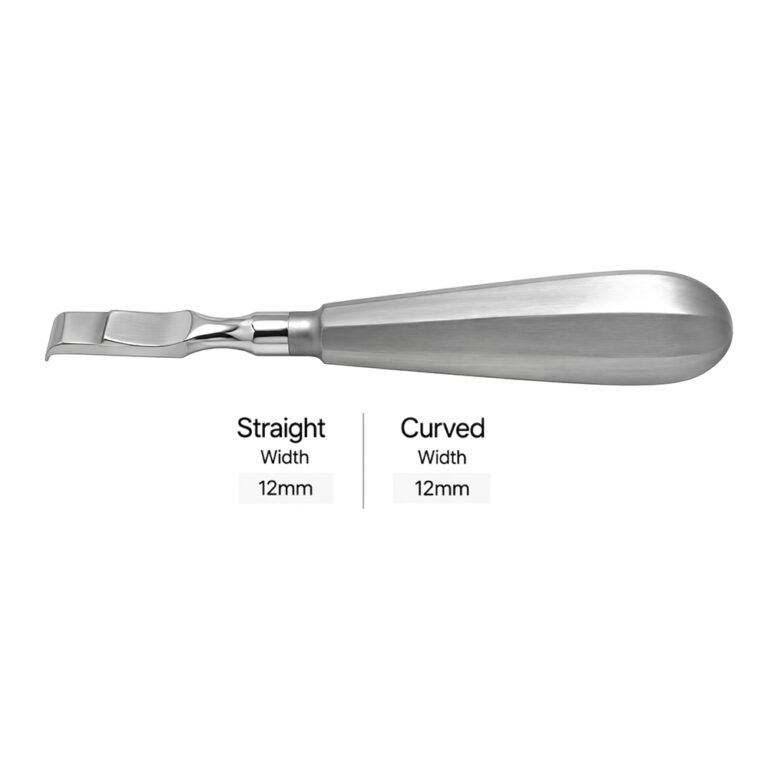
-21%
Farabeuf Rugine Elevator with Hollow Handle
In stock
Original price was: $ 47.$ 37Current price is: $ 37.
Select options
This product has multiple variants. The options may be chosen on the product page
Spinal Surgical Instrumentation: Rongeurs, Curettes & Retractors
Spinal instruments are built around one constraint that governs everything: the spinal cord and nerve roots are millimetres from the working field, and they do not recover from injury. That is why spinal instrumentation looks the way it does — footplates that slide safely between bone and dura, angled and bayonet shafts that keep the surgeon's hand out of the sightline, and long, narrow retractors that hold a deep corridor open through a small incision. NJ Medical Instruments manufactures the range in surgical-grade stainless steel, supplied worldwide direct from the factory for individual purchase and for bulk, wholesale, and OEM/private-label supply.Kerrison rongeurs
The Kerrison rongeur is the defining spinal instrument. A thin footplate slides beneath the lamina or ligamentum flavum, and a punch cuts bone against it — so bone is removed in controlled bites while the footplate physically separates the cutting edge from the dura underneath. They are specified by bite width (commonly 1–5 mm) and up-angle (40° and 90° being standard), chosen to match the corridor being decompressed.Curettes, elevators and retractors
Spinal curettes — straight, angled, and reverse-angled — scrape disc material and cartilaginous endplate from the interspace. Penfield and Woodson dissectors separate dura and nerve root from surrounding tissue atraumatically; the blunt working ends are deliberate, since anything sharp near the dura risks a tear. Nerve root retractors hold the root aside during discectomy, and self-retaining spinal retractors maintain the deep corridor without an assistant.Which spinal instrument do you need?
| Instrument | Design feature | Used for |
|---|---|---|
| Kerrison rongeur | Footplate + punch, 1–5 mm bites | Removing lamina & ligament safely |
| Pituitary rongeur | Long shaft, cup jaws | Removing disc material |
| Spinal curette | Straight / angled / reverse | Clearing the disc space & endplate |
| Penfield / Woodson dissector | Blunt working ends | Separating dura & nerve root |
| Nerve root retractor | Smooth, contoured blade | Holding the root aside |
| Self-retaining retractor | Locks open | Maintaining a deep corridor |
Explore related instruments
- Bone Cutters & Rongeurs
- Curettes, Raspatories & Elevators
- Neurosurgery Sets & Orthopedic Sets
- All Surgical Instruments