


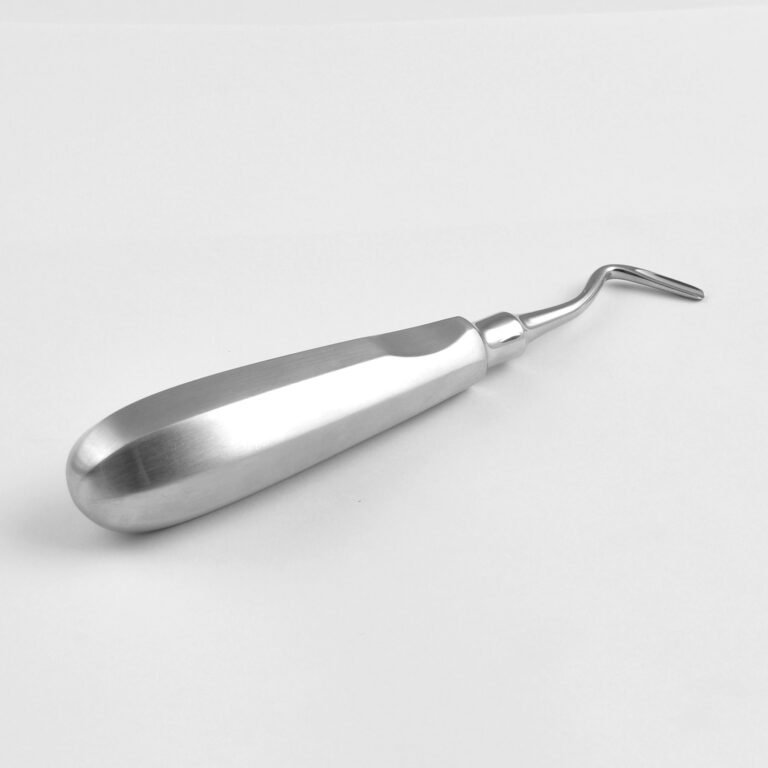
Apical Root Elevator 3.5mm, Right, Handle No.3 | NJ Medical Instruments
In stock
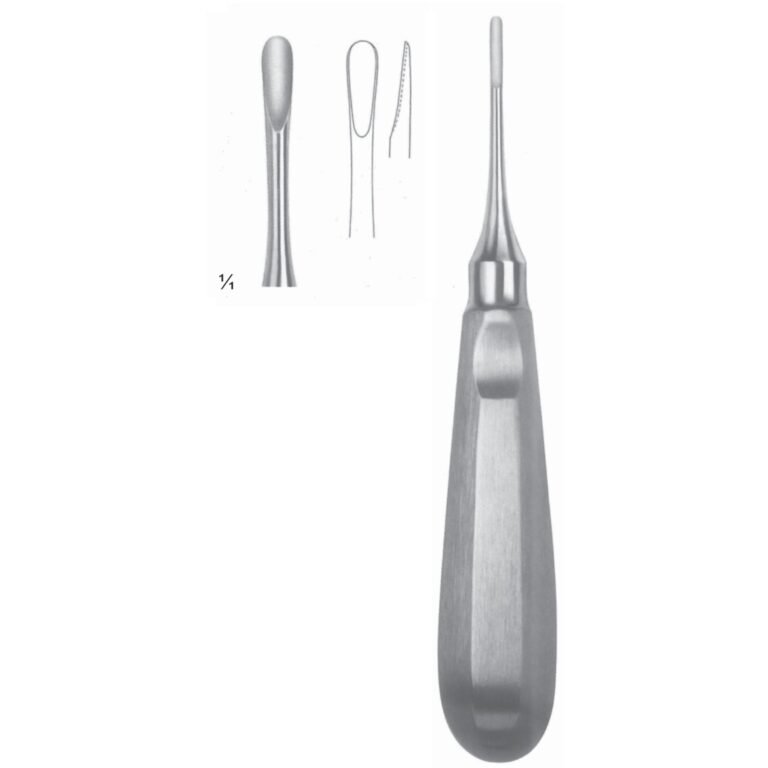
Apical Root Elevators | NJ Medical Instruments
In stock
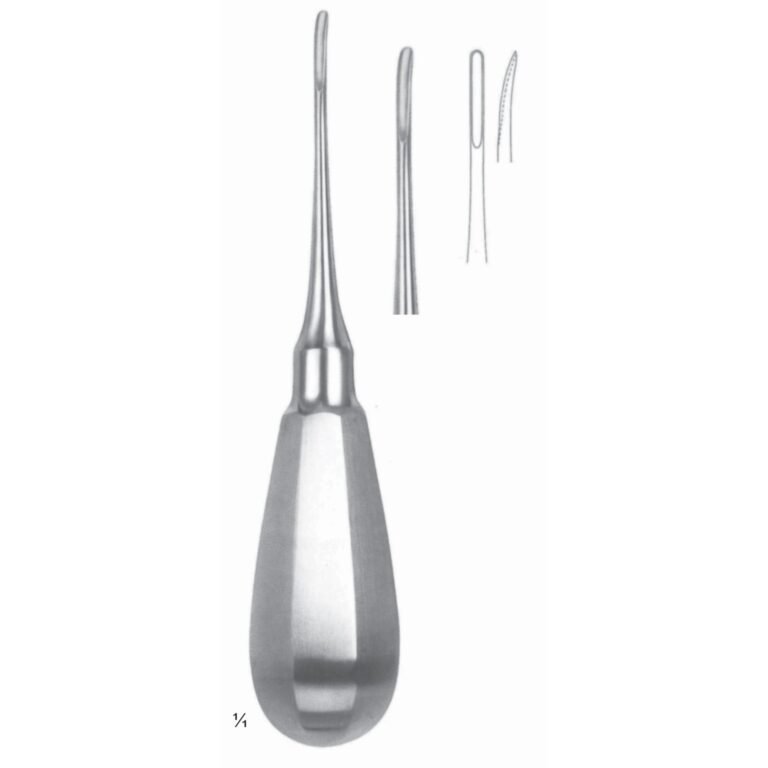
Bein Root Elevators Fig OA | NJ Medical Instruments
In stock
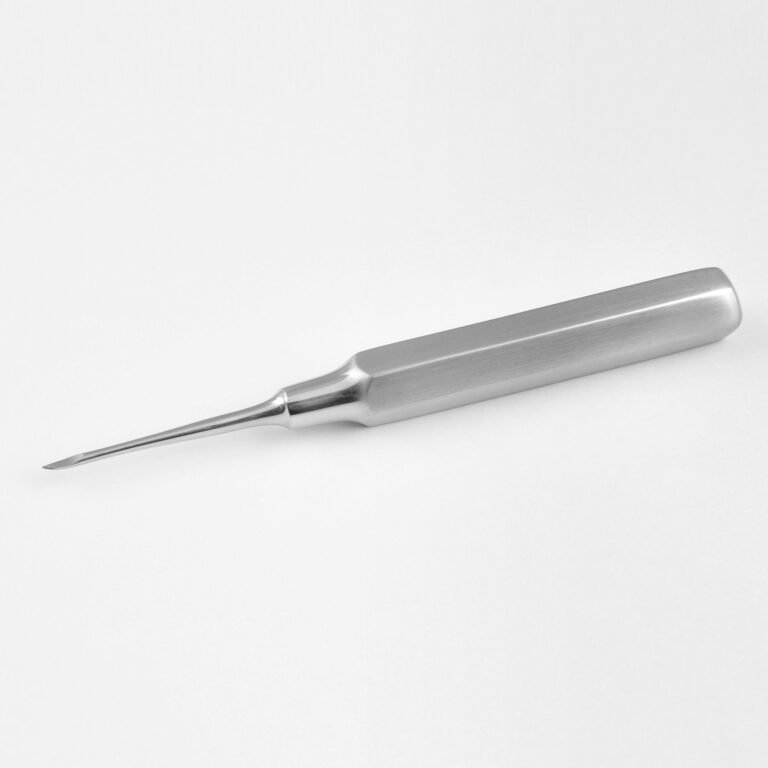
Heidebrink Apical Fragment Ejectors Fig.1 | NJ Medical Instruments
In stock
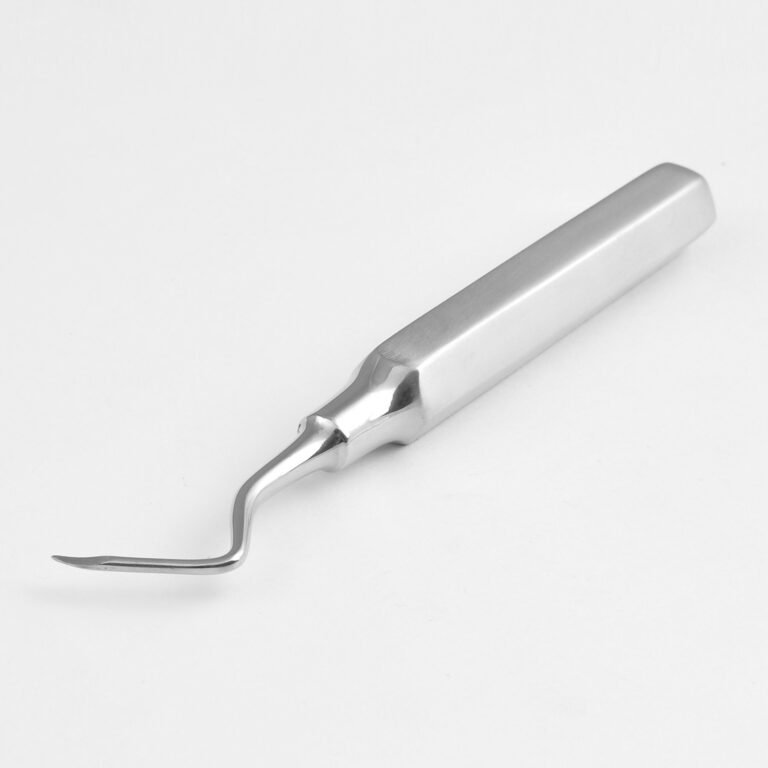
Heidebrink Apical Fragment Ejectors Fig.2 | NJ Medical Instruments
In stock
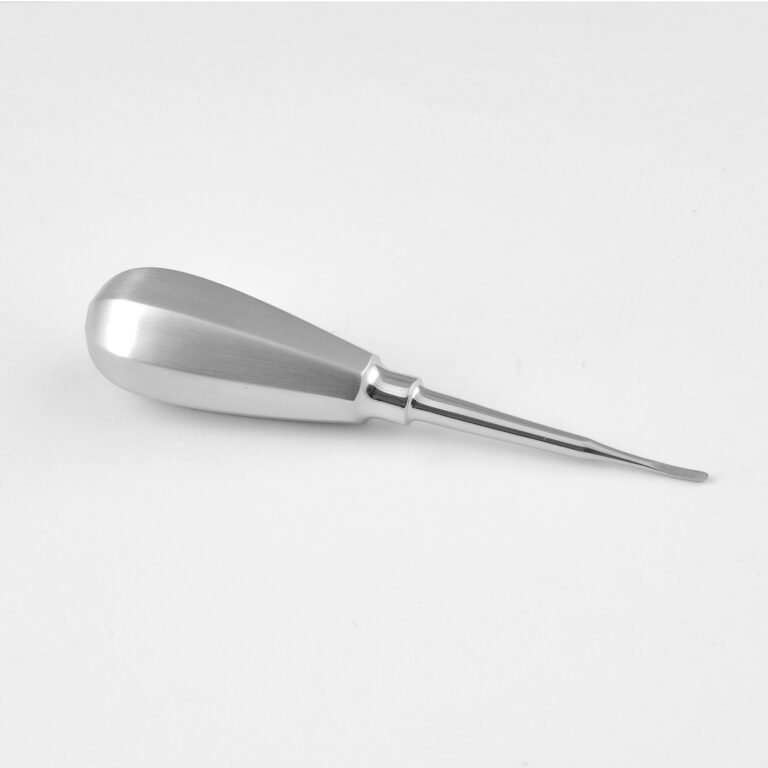
Ratzow Apical Fragment Encleators Ejectors Fig.1 | NJ Medical Instruments
In stock
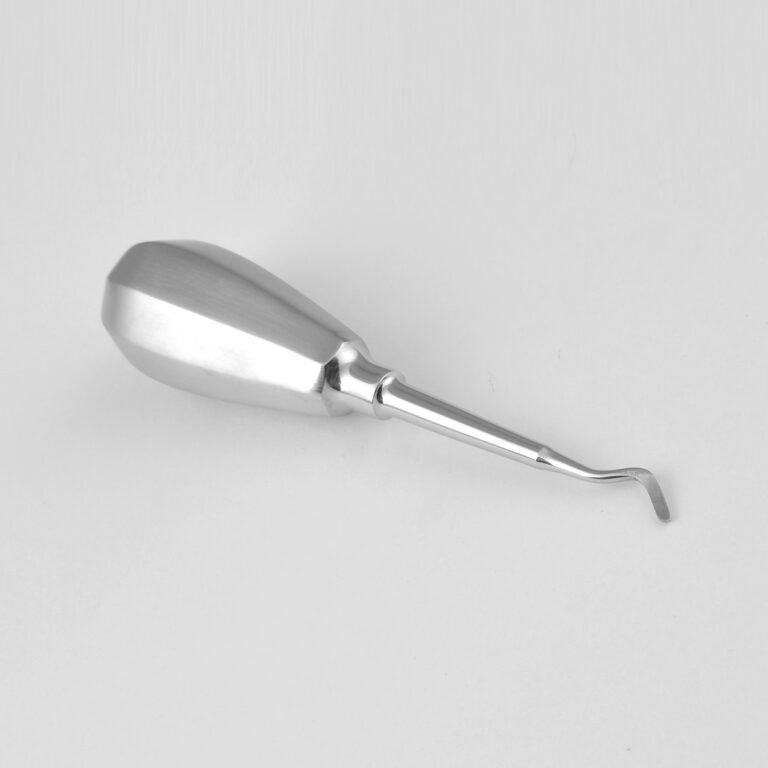
Ratzow Apical Fragment Encleators Ejectors Fig.2 | NJ Medical Instruments
In stock
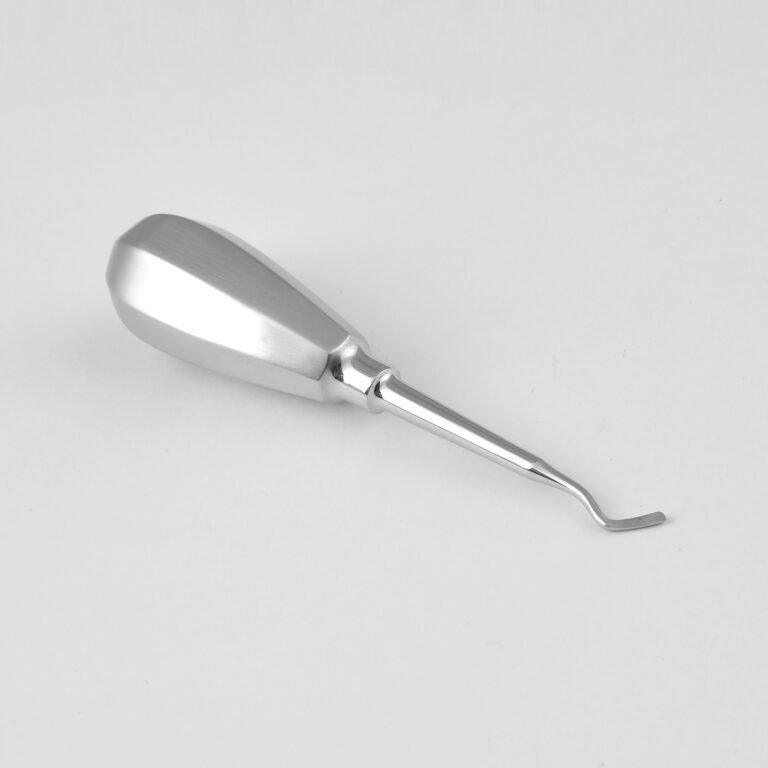
Ratzow Apical Fragment Encleators Ejectors Fig.3 | NJ Medical Instruments
In stock
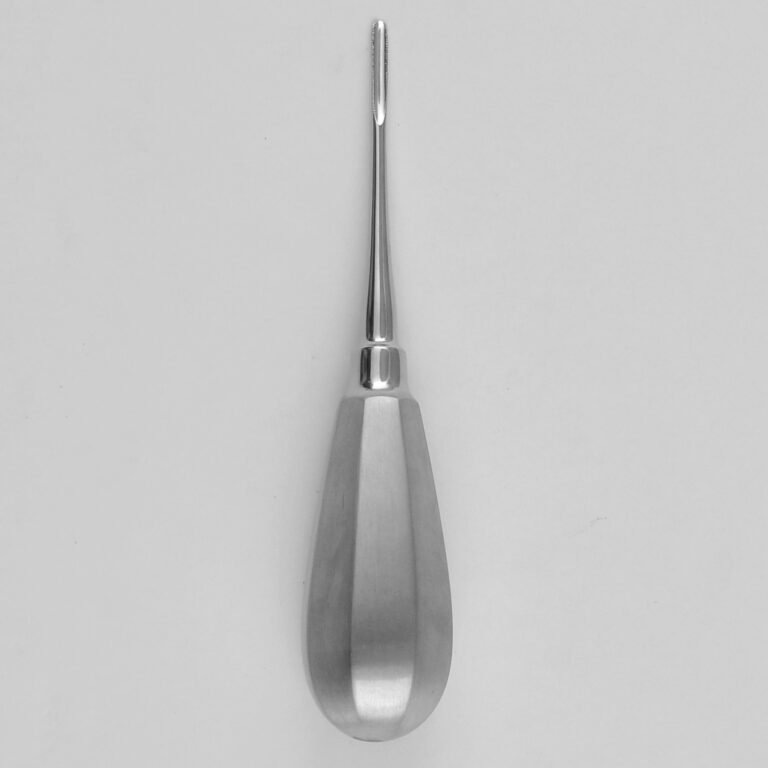
Root Elevators Bein 14cm 3mm Serrated | NJ Medical Instruments
In stock
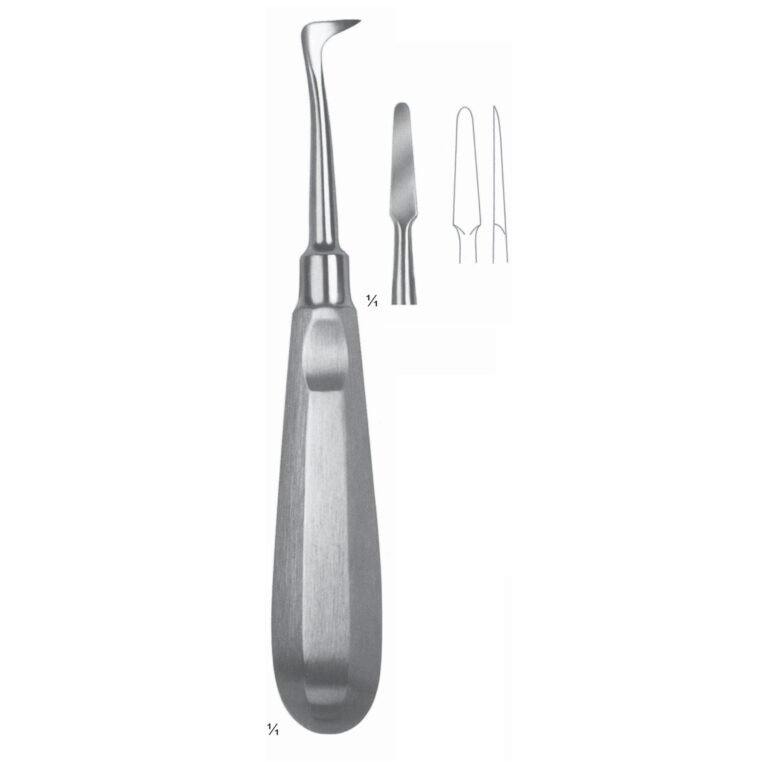
Seldin Root Elevators Fig 2 | NJ Medical Instruments
In stock
Dental Elevators: Loosening the Tooth Before the Forceps
A dental elevator loosens a tooth in its socket before extraction forceps are applied, and understanding why that step exists explains the whole instrument. A tooth is held by the periodontal ligament, a thin band of fibres attaching root to bone. Forceps alone must overcome those fibres by pulling — which is when roots snap. An elevator instead works as a lever, wedging between tooth and bone to stretch and tear the ligament and expand the socket slightly, so the tooth is already mobile before the forceps grip it. Done properly, elevation does most of the work and the forceps simply deliver the tooth. NJ Medical Instruments manufactures the full range in surgical-grade stainless steel, supplied worldwide direct from the factory for individual purchase and for bulk, wholesale, and OEM/private-label supply.
How elevators generate force
Elevators work on three mechanical principles, often in combination. As a lever, the blade rests against bone as a fulcrum and rotates to lift the tooth. As a wedge, the tapered blade driven between root and bone separates the two directly. As a wheel and axle, rotating the handle turns the blade against the tooth to rotate it in its socket. Which applies depends on the pattern and how it is seated.
The critical handling point is the fulcrum: the elevator must rest on bone, not on the adjacent tooth. Using a neighbouring tooth as the fulcrum transmits the full leverage into a healthy tooth — a recognised cause of damage to teeth that were never being treated.
Straight, Cryer and root patterns
Straight elevators (Coupland type) come in graded blade widths and are the general-purpose starting instrument, wedged along the long axis of the tooth. Cryer elevators are paired left and right with triangular blades, designed to engage into an empty socket and elevate a retained root from the adjacent chamber. Apical and root-tip elevators are fine enough to reach a fractured root tip deep in the socket where nothing wider will pass. Periosteal elevators serve a different function — reflecting the gingiva and mucoperiosteum to expose bone before the extraction begins.
Which elevator do you need?
| Pattern | Blade | Used for |
|---|---|---|
| Straight (Coupland) | Graded widths, straight | General initial luxation |
| Cryer, left and right | Triangular, paired | Retained roots from adjacent socket |
| Apical / root tip | Very fine, angled | Fractured root tips deep in socket |
| Warwick James | Small, straight and curved | Fine luxation and third molars |
| Periosteal elevator | Broad flat blade | Reflecting gingiva to expose bone |
| Luxator type | Thin sharp blade | Cutting ligament with minimal expansion |
Explore related dental instruments
- Extracting Forceps — used after elevation
- All Dental Instruments
- Mouth Mirrors, Scalers, Explorers & Probes
- Orthodontic Pliers
All manufactured in surgical-grade stainless steel to international standards, reusable and autoclavable, with worldwide shipping.
Bulk, wholesale & OEM supply
As a direct manufacturer, NJ Medical Instruments supplies dental elevators in bulk and wholesale quantities to dental clinics, hospitals, dental schools, and distributors, and produces OEM / private-label instruments to custom specifications and laser marking. Contact us by email at info@njmedicalinstruments.com or by WhatsApp for volume pricing — no minimum-order barriers, no middlemen.
Frequently asked questions
What is a dental elevator used for?
A dental elevator loosens a tooth in its socket before forceps are applied. It levers and wedges between tooth and bone to stretch the periodontal ligament and expand the socket, so the tooth is already mobile when the forceps grip it.
Why use an elevator before extraction forceps?
Forceps alone must overcome the periodontal ligament by pulling, which is when roots fracture. Elevation does most of the work first, so the forceps deliver an already-loosened tooth rather than fighting the attachment.
What should the elevator rest against as a fulcrum?
Bone, never the adjacent tooth. Using a neighbouring tooth as the fulcrum transmits the full leverage into a healthy tooth and is a recognised cause of damage to teeth that were not being treated.
What are Cryer elevators used for?
Cryer elevators are paired left and right with triangular blades, designed to engage into an empty socket and elevate a retained root from the adjacent chamber — typically after one root of a multi-rooted tooth has already been removed.
What is the difference between an elevator and a luxator?
An elevator is thicker and works primarily by levering and wedging to expand the socket. A luxator has a thinner sharper blade designed to cut the periodontal ligament with less socket expansion, which is often preferred where the surrounding bone must be preserved.
Do you supply dental elevators in bulk or for OEM / private label?
Yes. As a direct manufacturer we supply dental elevators in bulk and wholesale quantities and offer OEM / private-label production to custom specifications. Contact us by email or WhatsApp for volume pricing.