

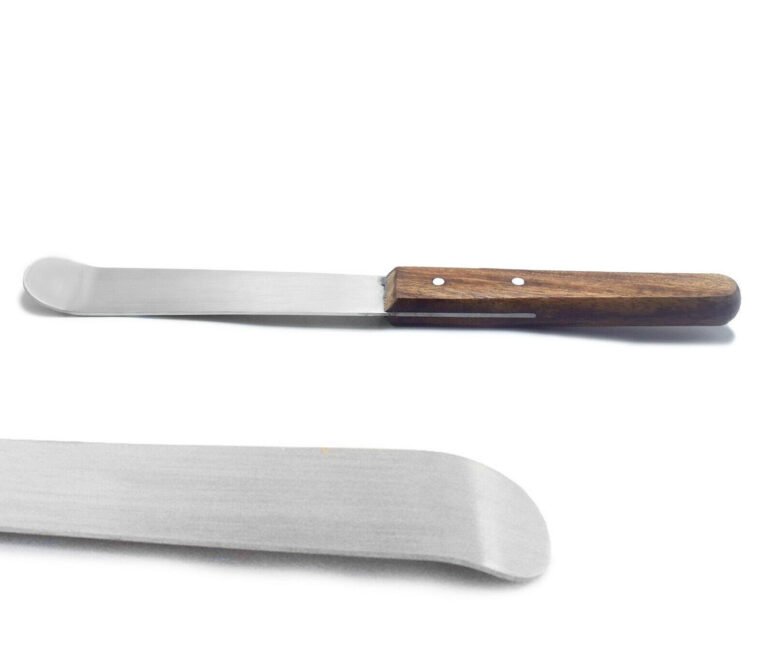
Alginate Mixing Spatula | NJ Medical Instruments
In stock
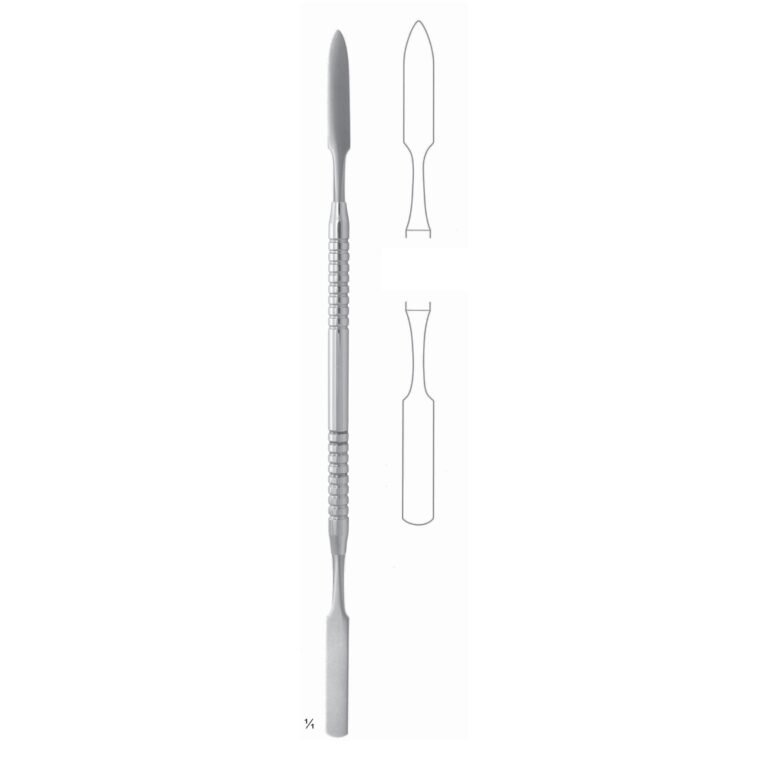
Double Ended Cement Spatula | NJ Medical Instruments
In stock

Plaster Wax And Modelling knife | NJ Medical Instruments
In stock
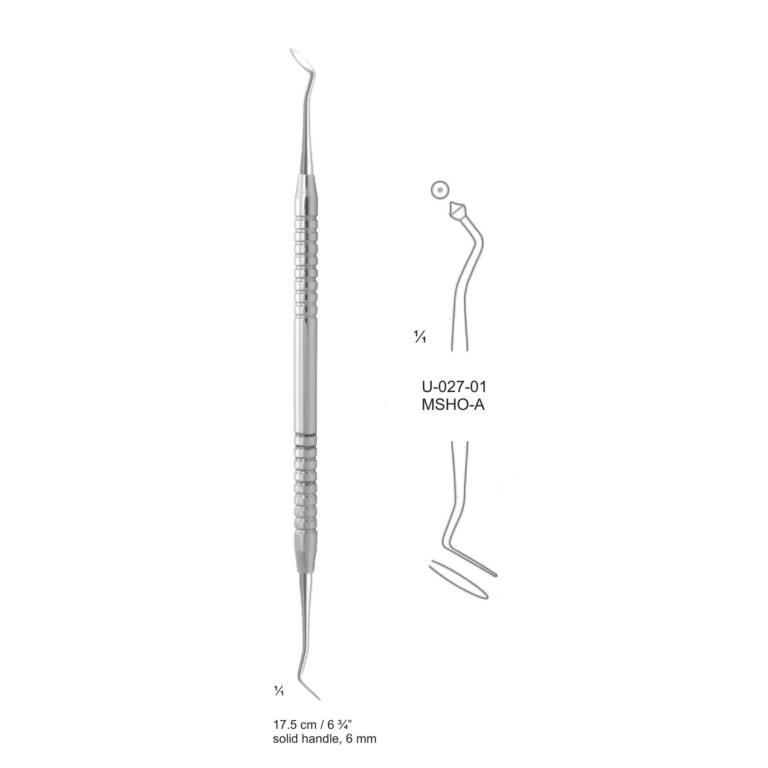
Wax 17.5cm Solid Handle Msho-A 6mm | NJ Medical Instruments
In stock
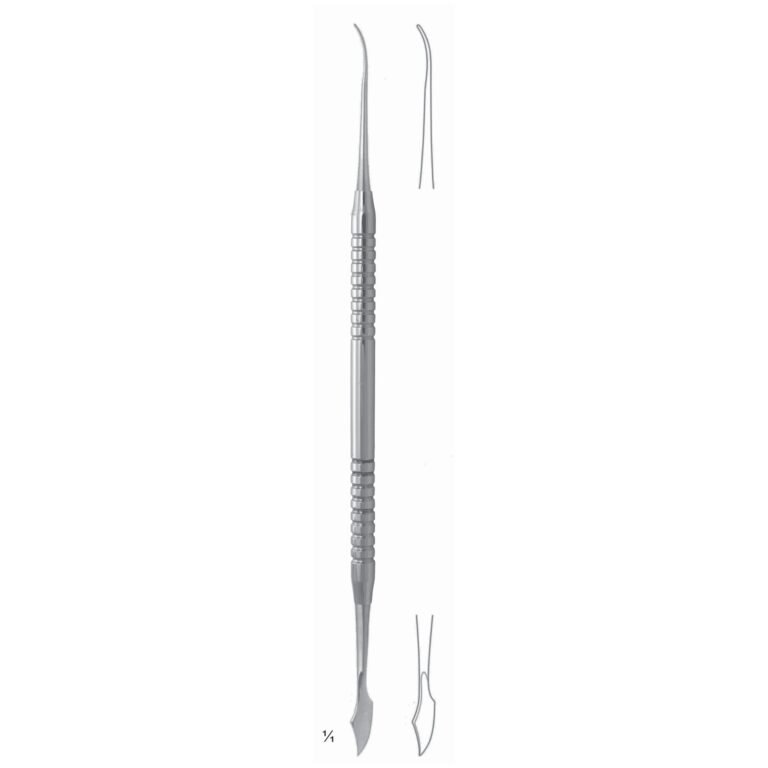
Zahle Wax | NJ Medical Instruments
In stock
Wax Knives & Spatulas: Laboratory Instruments for Wax and Mixing
These are laboratory and chairside instruments rather than surgical ones — used on wax, plaster, cement, and impression material rather than on the patient. That difference shapes how they are built. A wax knife needs an edge that stays sharp against a material that is hard when cool and soft when warm; a mixing spatula needs a flexible blade that can scrape a glass slab or rubber bowl clean, because material left behind changes the mix ratio of whatever comes next. Neither requirement resembles anything asked of an intraoral instrument. NJ Medical Instruments manufactures the range in surgical-grade stainless steel, supplied worldwide direct from the factory for individual purchase and for bulk, wholesale, and OEM/private-label supply.
Wax knives and carvers
Wax knives such as Fahnenstock and Lecron patterns trim and shape wax during denture construction, crown and bridge work, and wax-up procedures. The wax is worked warm and then trimmed cool, so the blade must hold an edge through repeated cutting of a material that hardens as it cools. Double-ended patterns pair a blade with a pointed carving end, since wax-up alternates constantly between bulk removal and detail work.
Spatulas: flexibility is the specification
Mixing spatulas are chosen by blade flexibility, and it is a genuine functional difference rather than a preference. A flexible blade conforms to the curve of a rubber mixing bowl, which is what allows alginate and plaster to be mixed without air incorporation and the bowl scraped properly clean. A stiff blade is needed for spatulating cement on a glass slab, where the operator is working the material against a flat surface and a soft blade simply flexes instead of mixing. Using the wrong one produces a poor mix, and a poor mix undermines whatever it is used for.
Cleaning and material carry-over
The practical maintenance point is residue. Set plaster, cement, or wax left on a blade transfers into the next mix and alters its properties, so these instruments are cleaned immediately after use while material is still soft — far easier than removing set cement afterwards. Warm water releases wax; plaster is best removed before it sets rather than chipped off later.
Which instrument do you need?
| Instrument | Character | Used for |
|---|---|---|
| Fahnenstock wax knife | Blade with carving end | Trimming and shaping wax |
| Lecron carver | Blade and pointed end | Detail work in wax-up |
| Flexible mixing spatula | Bends to bowl curve | Alginate and plaster in a rubber bowl |
| Stiff cement spatula | Rigid blade | Spatulating cement on a glass slab |
| Plaster spatula | Broad flexible blade | Mixing and scraping plaster |
| Double-ended wax instrument | Two working ends | Fewer instrument changes |
Explore related dental instruments
- Composite Placement & Plastic Filling Instruments
- Amalgam Pluggers, Condensers & Burnishers
- Mouth Mirrors, Scalers, Explorers & Probes
- All Dental Instruments
All manufactured in surgical-grade stainless steel to international standards, with worldwide shipping.
Bulk, wholesale & OEM supply
As a direct manufacturer, NJ Medical Instruments supplies wax knives and spatulas in bulk and wholesale quantities to dental laboratories, clinics, dental schools, and distributors, and produces OEM / private-label instruments to custom specifications and laser marking. Dental laboratories and teaching institutions commonly order these in depth, as they are used continuously. Contact us by email at info@njmedicalinstruments.com or by WhatsApp for volume pricing — no minimum-order barriers, no middlemen.
Frequently asked questions
What is a wax knife used for in dentistry?
A wax knife trims and shapes dental wax during denture construction, crown and bridge work, and wax-up procedures. Patterns such as Fahnenstock and Lecron combine a cutting blade with a pointed carving end for detail work.
What is the difference between a flexible and a stiff spatula?
A flexible blade conforms to the curve of a rubber mixing bowl, which is needed to mix alginate and plaster without incorporating air and to scrape the bowl clean. A stiff blade is needed to spatulate cement against a flat glass slab, where a soft blade would flex rather than mix.
Why does spatula flexibility matter?
Because it determines whether the material is actually mixed. The wrong flexibility produces an inconsistent mix, and a poor mix compromises the impression, model, or restoration it is used for.
How should wax and mixing instruments be cleaned?
Immediately after use, while the material is still soft. Warm water releases wax, and plaster is far easier to remove before it sets than to chip off afterwards. Residue left on a blade transfers into the next mix and alters its properties.
Are these instruments used in the mouth?
Generally no. These are laboratory and chairside instruments used on wax, plaster, cement, and impression material rather than intraorally, which is why they are built to different requirements than surgical instruments.
Do you supply wax knives and spatulas in bulk or for OEM / private label?
Yes. As a direct manufacturer we supply wax knives and spatulas in bulk and wholesale quantities to laboratories, clinics, and dental schools, and offer OEM / private-label production. Contact us by email or WhatsApp for volume pricing.