


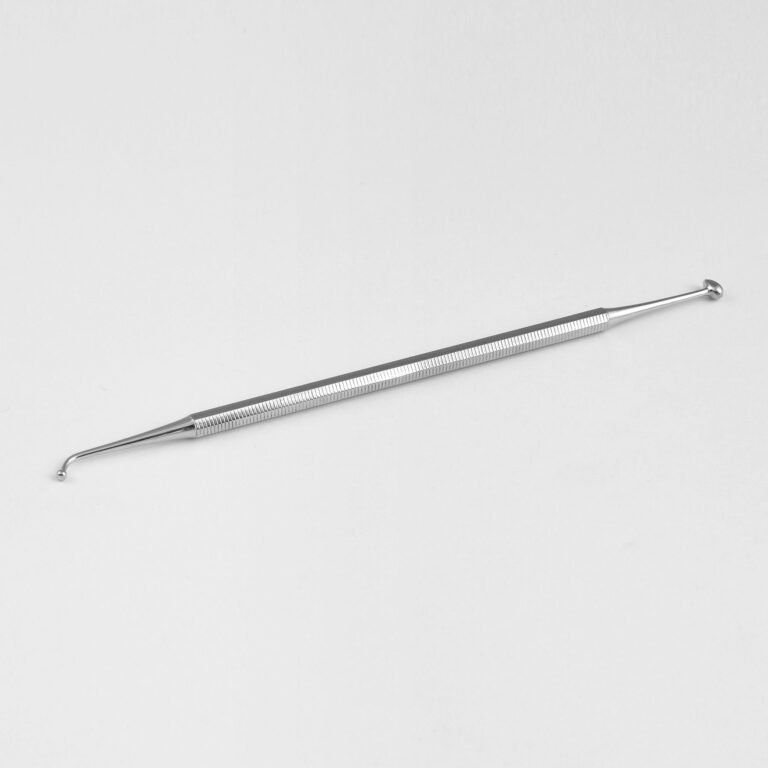
Burnishers Fig. 25 | NJ Medical Instruments
In stock
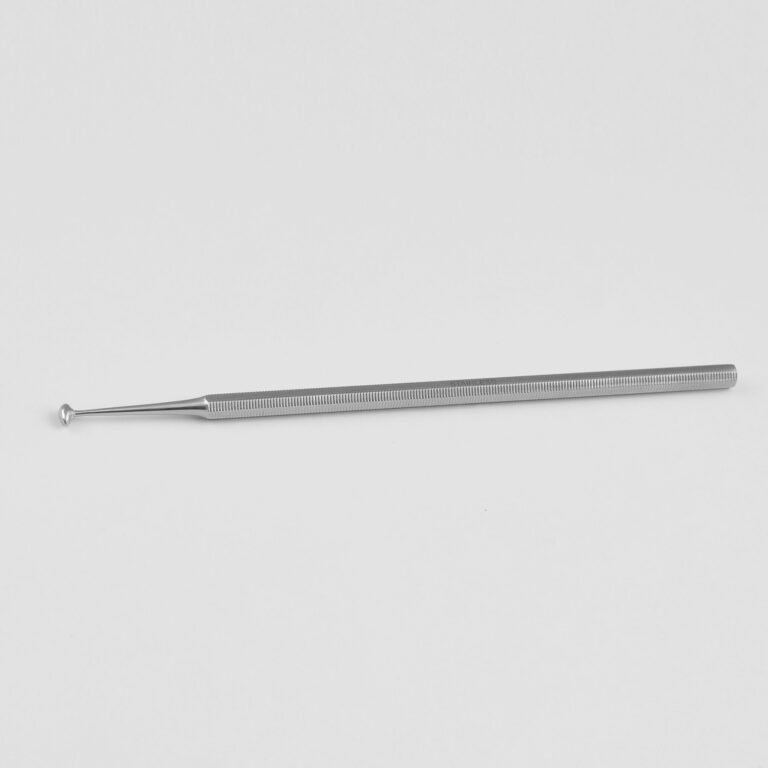
Burnishers Fig. 28 | NJ Medical Instruments
In stock
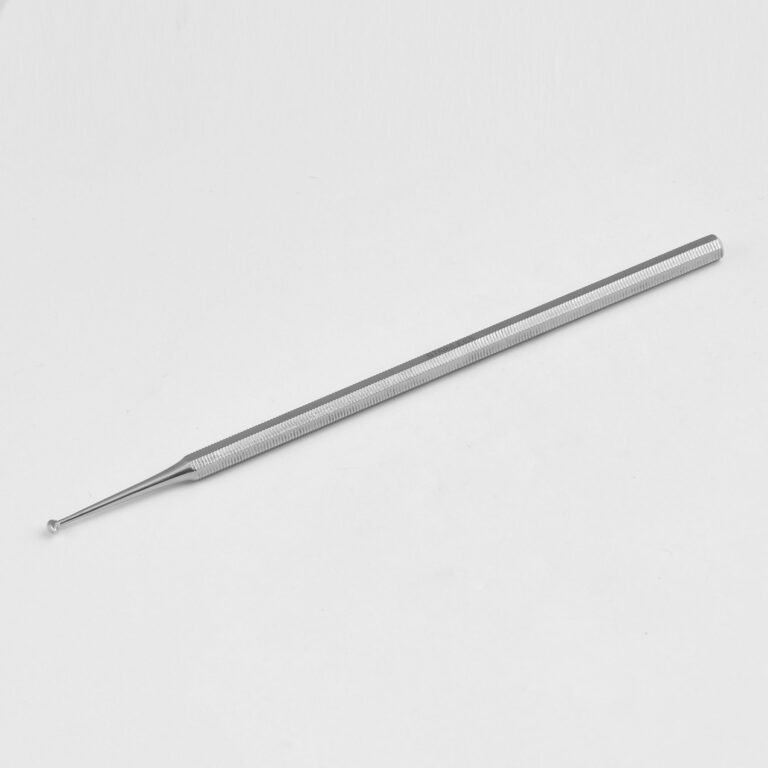
Burnishers Fig. 29 | NJ Medical Instruments
In stock
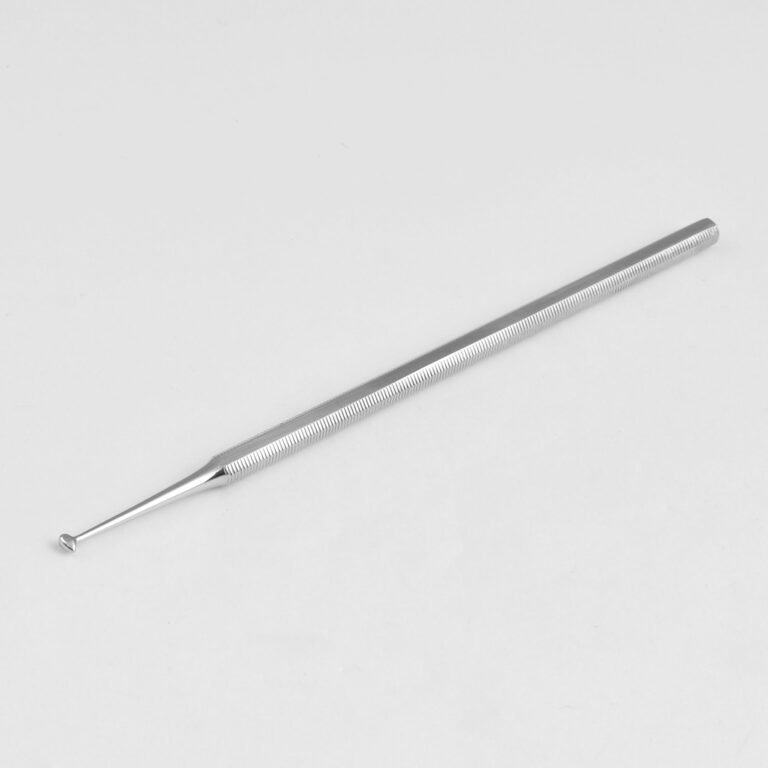
Burnishers Fig. 31 | NJ Medical Instruments
In stock
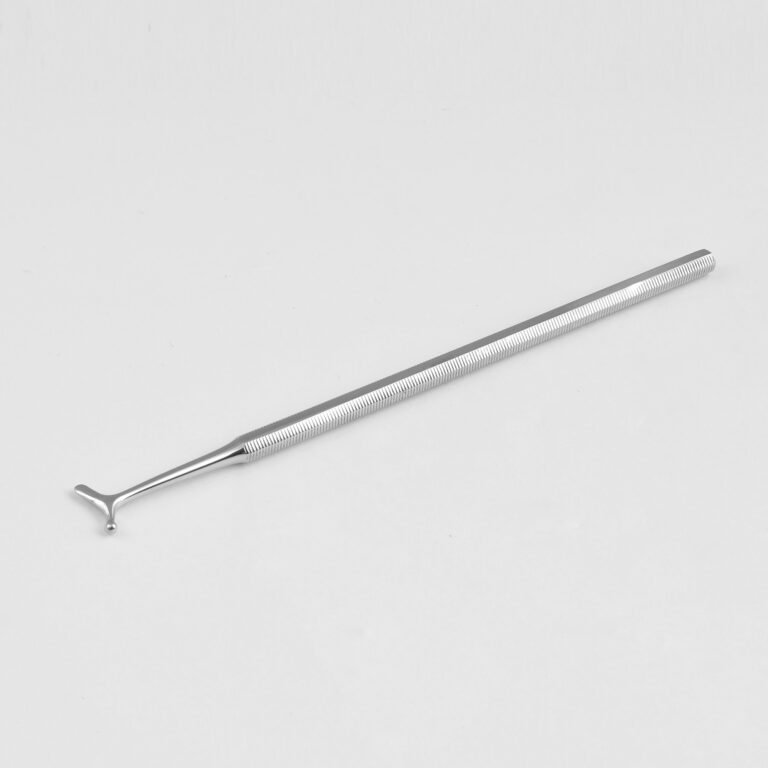
Burnishers Fig. 33 | NJ Medical Instruments
In stock
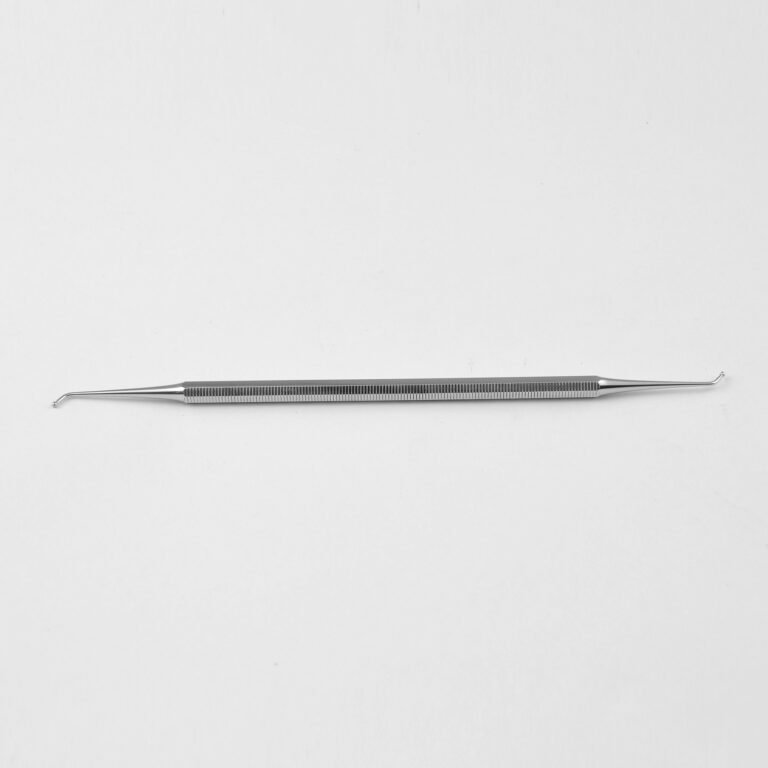
Double Ended Burnishers Fig. 27 | NJ Medical Instruments
In stock
Amalgam Pluggers, Condensers & Burnishers: Packing, Carving and Finishing
An amalgam restoration is built in three stages, and each has its own instrument: the condenser packs, the carver shapes, and the burnisher finishes. The sequence is not optional. Amalgam must be condensed while it is still plastic, carved before it fully sets, and burnished at the right moment in that setting window — too early and the surface is disturbed, too late and it cannot be worked at all. This is why amalgam technique is more time-sensitive than composite, where the operator controls the set with a curing light. NJ Medical Instruments manufactures the full range in surgical-grade stainless steel, supplied worldwide direct from the factory for individual purchase and for bulk, wholesale, and OEM/private-label supply.
Condensers and pluggers: why serrations matter
A condenser (or plugger) presses amalgam into the cavity in small increments. The working face is serrated precisely so it grips the alloy rather than sliding off it — the opposite requirement to composite instruments, which are polished smooth to release. Adequate condensation matters because it drives out excess mercury and eliminates voids; poorly condensed amalgam is weaker and more prone to marginal breakdown.
Face size follows the cavity: small condensers reach the depths and line angles of the preparation, larger faces condense the bulk efficiently. Working small to large through the fill is the usual sequence.
Carvers shape the anatomy
Once condensed, the excess is removed and the occlusal anatomy cut with a carver. Discoid-cleoid patterns carve fossae and grooves; Hollenback and Ward patterns refine margins and interproximal contours. The carver is rested partly on surrounding enamel so the cut follows the natural tooth contour rather than gouging into the restoration.
Burnishers finish the surface
A burnisher has a smooth rounded working end — ball, football, or acorn shaped — and is rubbed over the carved surface to smooth it and adapt the amalgam tightly to the cavity margin. A well-burnished surface is denser and less porous, which reduces corrosion and marginal leakage over the life of the restoration. This is the stage most often rushed, and the one whose absence shows years later at the margin.
Which instrument for which stage?
| Instrument | Working end | Stage |
|---|---|---|
| Small condenser | Serrated, small face | Depths and line angles first |
| Large condenser | Serrated, wider face | Condensing the bulk |
| Discoid-cleoid carver | Disc and claw ends | Carving occlusal anatomy |
| Hollenback carver | Angled blade | Margins and interproximal |
| Ball burnisher | Round smooth end | Smoothing and adapting margins |
| Football burnisher | Oval smooth end | Broad occlusal surfaces |
| Acorn burnisher | Acorn-shaped end | Contouring fossae |
| Amalgam carrier | Hollow barrel | Delivering alloy to the cavity |
Explore related dental instruments
- Composite Placement & Plastic Filling Instruments
- Mouth Mirrors, Scalers, Explorers & Probes
- Extracting Forceps and Dental Elevators
- All Dental Instruments
All manufactured in surgical-grade stainless steel to international standards, reusable and autoclavable, with worldwide shipping.
Bulk, wholesale & OEM supply
As a direct manufacturer, NJ Medical Instruments supplies amalgam condensers, carvers, and burnishers in bulk and wholesale quantities to dental clinics, hospitals, dental schools, and distributors, and produces OEM / private-label instruments to custom specifications and laser marking. Contact us by email at info@njmedicalinstruments.com or by WhatsApp for volume pricing — no minimum-order barriers, no middlemen.
Frequently asked questions
What is an amalgam condenser used for?
An amalgam condenser, also called a plugger, presses amalgam into the cavity in small increments. Condensation drives out excess mercury and eliminates voids, which is what gives the restoration its strength and marginal integrity.
Why are amalgam condensers serrated?
The serrations grip the alloy so the face does not slide off it during condensation. This is the opposite of composite instruments, which have smooth polished faces designed to release the material.
What is a burnisher used for?
A burnisher has a smooth rounded end rubbed over the carved amalgam to smooth the surface and adapt it tightly to the cavity margin. The result is a denser, less porous surface with reduced corrosion and marginal leakage.
What is the difference between a carver and a burnisher?
A carver has a bladed edge that removes material to create occlusal anatomy. A burnisher has a smooth rounded end that displaces and compacts the surface rather than cutting it. Carving comes first, burnishing after.
What size condenser should be used?
Small condensers first, to reach the depths and line angles of the preparation, then progressively larger faces to condense the bulk efficiently. Using only a large condenser leaves the depths of the cavity inadequately packed.
Do you supply amalgam instruments in bulk or for OEM / private label?
Yes. As a direct manufacturer we supply condensers, carvers, and burnishers in bulk and wholesale quantities and offer OEM / private-label production to custom specifications. Contact us by email or WhatsApp for volume pricing.