

How to Verify the Quality of Medical Equipment Before Buying


Buying medical equipment is not like purchasing everyday consumer goods. A wrong decision does not just waste money, it can directly compromise patient safety, lead to inaccurate diagnoses, and create serious liability for healthcare providers. Whether you are a hospital administrator, a clinic owner, or a private practitioner, knowing how to verify the quality of medical equipment before buying is one of the most important skills you can develop.
With counterfeit and substandard medical instruments flooding online and offline markets in Pakistan, this guide will walk you through the essential steps to ensure every piece of equipment you purchase meets the quality and safety standards your patients deserve.
1. Check for International Certifications
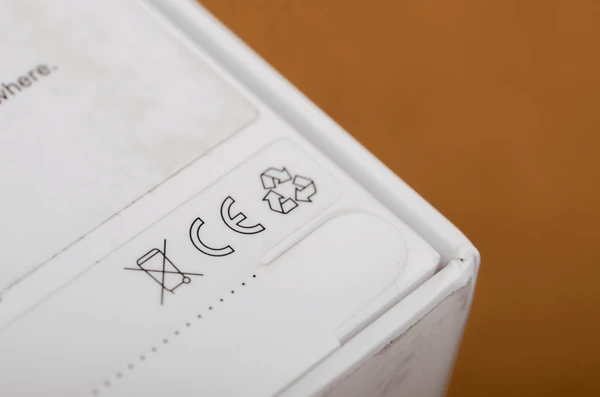
The first and most important step in verifying medical equipment quality is checking for recognized certifications. Legitimate, high-quality instruments carry one or more of the following standards. ISO 13485 is the international standard specifically for medical device quality management systems. CE Marking indicates that the product meets European health, safety, and environmental protection standards. FDA Approval from the United States Food and Drug Administration is a globally respected mark of product safety and effectiveness. DRAP Registration refers to the Drug Regulatory Authority of Pakistan, which regulates medical devices sold within the country.
Always ask the supplier for documentation proving these certifications. A trustworthy supplier will provide this information without hesitation.
2. Inspect the Build Quality and Materials
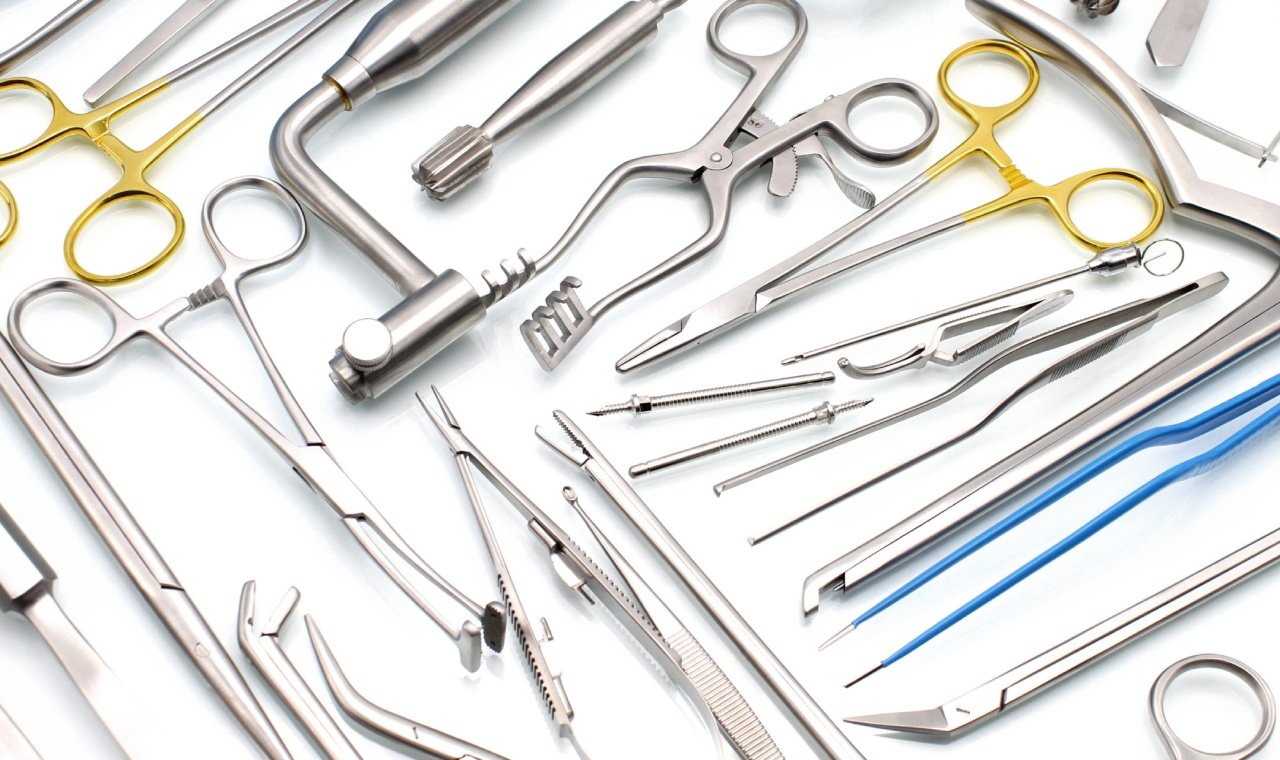
Physical inspection of the instrument or at minimum, a review of its detailed specifications is essential before making a purchase. High-quality surgical instruments are typically manufactured from 316L or 420 stainless steel, which is corrosion-resistant, durable, and safe for sterilization. Diagnostic equipment should have solid construction with no loose parts, sharp edges, or weak joints.
For online purchases, look for suppliers who provide detailed product images from multiple angles, list the exact materials used, and clearly state the manufacturing origin. Pakistan’s Sialkot-based manufacturers, for example, are internationally recognized for producing export-grade stainless steel surgical instruments that meet the highest global standards.
3. Research the Brand and Manufacturer
Not all brands are created equal. Before buying, research the brand’s history, reputation, and market presence. Established brands like 3M Littmann, Riester, MDF, and local Sialkot-certified manufacturers have built their reputations over decades and are accountable for the quality they deliver.
For lesser-known brands, look for independent reviews, ask for references from other healthcare facilities that have used the product, and check whether the manufacturer is registered with relevant regulatory bodies. Avoid unbranded or suspiciously cheap instruments with no identifiable manufacturer.

4. Ask for a Product Demonstration or Sample
For large purchases or high-value equipment, always request a product demonstration or sample before committing to a bulk order. Reputable suppliers are confident in their products and will readily offer this. Testing a sample allows you to assess acoustic performance in stethoscopes, measurement accuracy in blood pressure monitors, sharpness and grip in surgical instruments, and overall build durability in daily use conditions.
If a supplier refuses to provide a sample or demonstration for a significant order, consider that a serious red flag.
5. Verify the Supplier’s Credentials
The quality of the product is inseparable from the credibility of the supplier selling it. A reliable medical instrument supplier should be officially registered as a business, have a verifiable physical address and contact information, maintain a professional website with clear product listings and policies, offer transparent pricing with no hidden charges, and provide after-sale support including warranties and return policies.
Be particularly cautious of suppliers who operate only through social media with no formal business presence, offer prices that seem too good to be true, or are unable to provide any certification documentation.
6. Review Customer Feedback and Market Reputation
Genuine customer reviews are one of the most reliable ways to gauge the real-world quality of medical instruments. Look for reviews from verified buyers on the supplier’s website, Google Business profile, and third-party platforms. Pay attention to feedback about product accuracy, durability over time, packaging quality, and the supplier’s responsiveness to complaints or issues.
Word of mouth within the medical community is equally powerful. Ask colleagues, fellow doctors, or hospital procurement managers which suppliers they trust and have had consistent positive experiences with.
7. Confirm Warranty and After-Sale Support
Quality medical equipment should come with a warranty. A manufacturer or supplier confident in their product will back it up with a guarantee against defects in materials and workmanship. Before buying, confirm the warranty period, what it covers, and how claims are processed. Additionally, check whether the supplier offers calibration services, spare parts, or technical support for more complex equipment.

Making the Smart Choice Every Time
Verifying the quality of medical equipment before buying requires a combination of due diligence, product knowledge, and choosing the right supplier. By checking certifications, inspecting materials, researching brands, and working only with credible suppliers, you protect both your patients and your investment. In healthcare, cutting corners on equipment quality is never worth the risk.
✅ Buy with Confidence from Pakistan’s Trusted Medical Instrument Supplier
Skip the guesswork and shop from a supplier that has already done the quality work for you. Every product at NJMedicalInstruments is sourced from certified manufacturers, backed by documentation, and delivered with full customer support.
👉 NJMedicalInstruments: Certified. Reliable. Trusted across Pakistan. Browse our complete range of quality-verified medical instruments and place your order today.
Your patients trust you. Trust us to deliver the instruments that keep that trust unbroken.