
Blog
New vs. Refurbished Medical Equipment; Which Should You Buy?

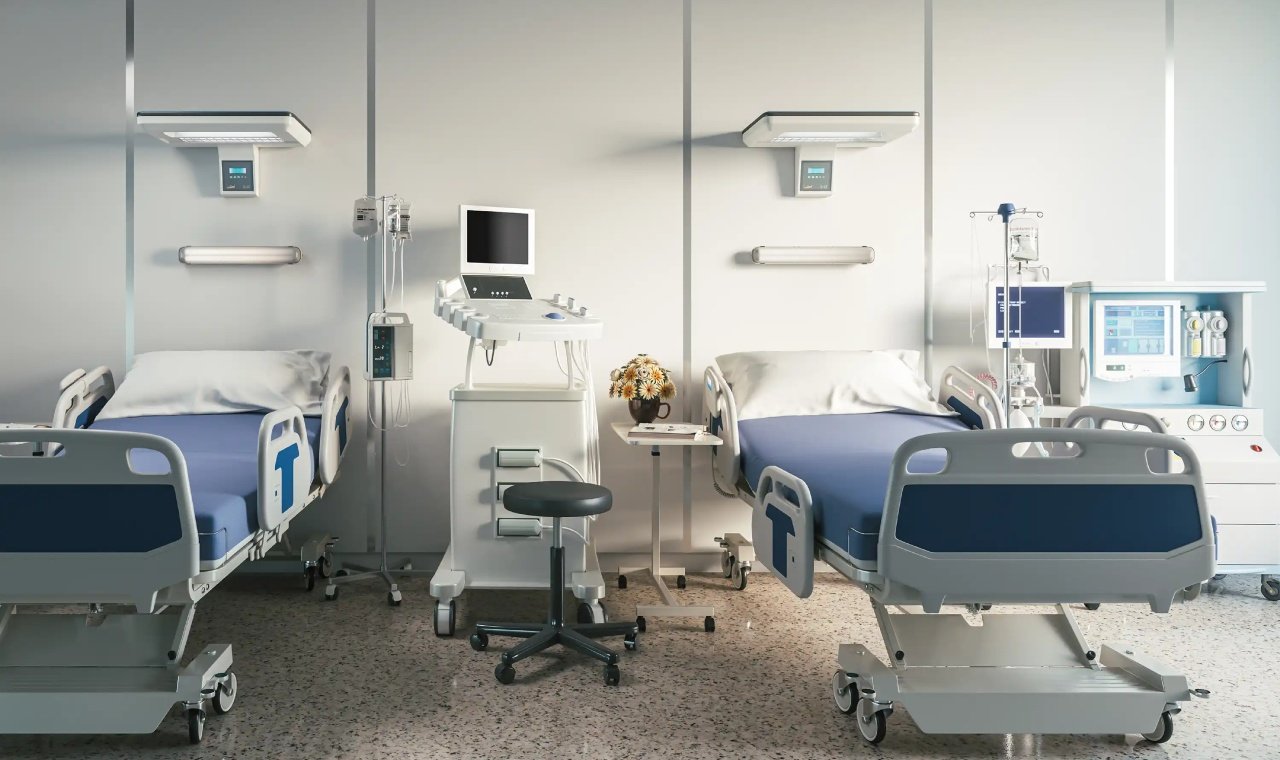
One of the most common dilemmas facing clinic owners, hospital administrators, and private practitioners in Pakistan is whether to invest in brand new medical equipment or opt for refurbished alternatives. With healthcare budgets under constant pressure and the cost of advanced medical equipment continuing to rise, this is not a decision to take lightly.
Both options have genuine advantages and real limitations. The right choice depends on the type of equipment, your budget, the clinical environment, and your long-term operational goals. This guide breaks down the key differences between new and refurbished medical equipment to help you make the smartest decision for your practice.
Understanding the Difference
Before comparing the two, it is important to clarify what refurbished medical equipment actually means. Refurbished equipment is not simply second-hand or used, it is pre-owned equipment that has been professionally inspected, repaired where necessary, cleaned, tested, and certified to meet a defined performance standard. Quality refurbished equipment from a reputable supplier should function reliably and safely, often backed by a limited warranty.
New equipment, on the other hand, is factory-fresh, unused, and comes with the full manufacturer’s warranty, the latest technology, and the assurance that no prior wear or usage has occurred.
The Case for Buying New Medical Equipment
Purchasing new medical equipment offers several compelling advantages that are difficult to overlook. First and most importantly, new equipment comes with a full manufacturer’s warranty, giving you complete protection against defects and malfunctions from day one. You also receive the latest technology and features, which can improve diagnostic accuracy, patient outcomes, and operational efficiency.
New equipment is easier to get serviced and maintained since spare parts and technical support are readily available from the manufacturer or authorized dealers. For high-stakes clinical environments such as ICUs, operating theatres, and cardiology units, new equipment provides maximum reliability and minimizes the risk of unexpected failure during critical procedures.
New instruments and devices are also psychologically reassuring to patients, who often associate new equipment with a higher standard of care. For newly established clinics looking to build a strong reputation, this perception matters more than many practitioners realize.
The primary drawback of new equipment is cost. Advanced imaging systems, patient monitoring devices, and specialized surgical tools carry significant price tags that may strain the budgets of smaller clinics or facilities in the early stages of operation.
The Case for Buying Refurbished Medical Equipment
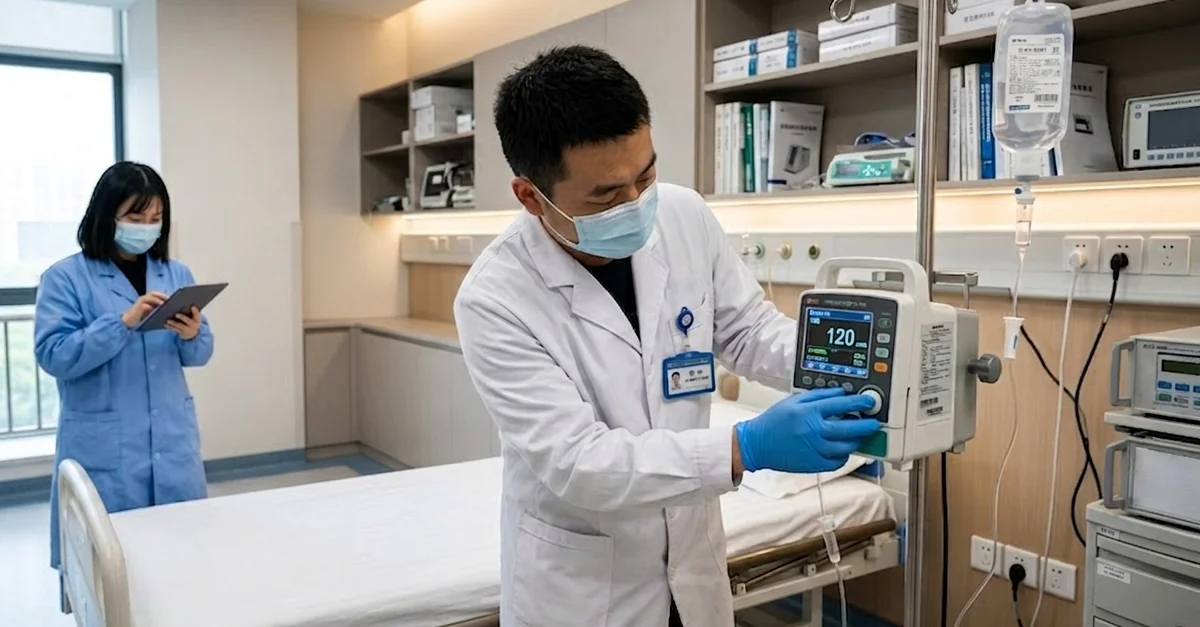
Refurbished medical equipment has become an increasingly attractive option for healthcare facilities across Pakistan, and for good reason. The most obvious advantage is cost, high-quality refurbished equipment can be purchased at 40 to 70 percent less than the price of equivalent new units. For budget-conscious clinics and smaller hospitals, this financial difference can be redirected toward staffing, facility improvements, or expanding the range of services offered.
When sourced from a credible, certified supplier, refurbished equipment performs reliably and safely. Many refurbished devices are only a few years old and have been lightly used, meaning they are functionally close to new while carrying a significantly lower price tag.
Refurbished equipment is also a practical choice for backup or redundancy purposes, having a fully functional spare unit available at lower cost ensures your facility is never left without critical equipment during maintenance or repairs of your primary device.
The risks associated with refurbished equipment are real but manageable. Poorly refurbished devices from unreliable sources can fail prematurely, lack proper calibration, or carry hidden defects. This is why the supplier you choose matters enormously when buying refurbished.
Key Factors to Consider When Deciding
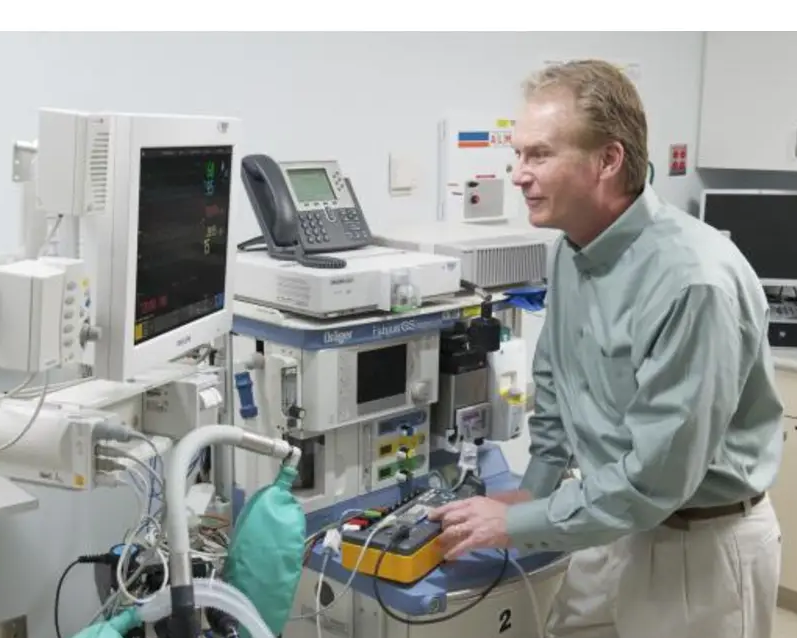
The decision between new and refurbished ultimately comes down to several practical considerations. The type of equipment matters greatly, for precision surgical instruments, ICU monitors, and life-support devices, new is almost always the safer and more reliable choice. For general diagnostic tools, basic monitoring equipment, and supplementary devices, quality refurbished options are often perfectly adequate.
Your budget and operational stage are equally important. A well-established hospital with stable revenue can afford to invest in new equipment across the board. A newly opened clinic may find that a smart mix of new and refurbished equipment allows it to deliver quality care without financial overextension.
Always consider the availability of after-sale support. New equipment typically comes with better warranty terms and technical support. If you choose refurbished, ensure your supplier offers a meaningful warranty, calibration services, and a clear return policy.
Finally, assess the age and usage history of any refurbished equipment. A device that is one or two years old with low usage hours is a far safer investment than one that is a decade old and has been heavily used in a high-volume facility.
The Smart Approach: A Balanced Strategy
For most clinics and hospitals in Pakistan, the wisest approach is not an either-or decision but a balanced purchasing strategy. Invest in new equipment for high-dependency, high-risk applications where reliability is paramount. Consider certified refurbished options for supporting equipment, backup units, and general-use instruments where the performance gap between new and refurbished is minimal.
This balanced approach maximizes your clinical capability, manages costs intelligently, and ensures that every patient receives safe, accurate care regardless of whether the instrument in use is new or professionally refurbished.
✅ Shop New and Certified Medical Equipment from Pakistan’s Trusted Supplier
Whether you are looking for brand new surgical instruments or need expert guidance on building your clinic’s equipment inventory, NJMedicalInstruments has everything you need under one roof with transparent pricing and nationwide delivery.
👉 NJMedicalInstruments: Explore our wide range of certified new medical instruments, compare options, and place your order with confidence. Quality you can trust, prices that work for your budget.
Make the right investment in your clinic today. Your patients and your practice both deserve nothing less.