Blog
Top 10 Medical Instruments Every Hospital Should Stock

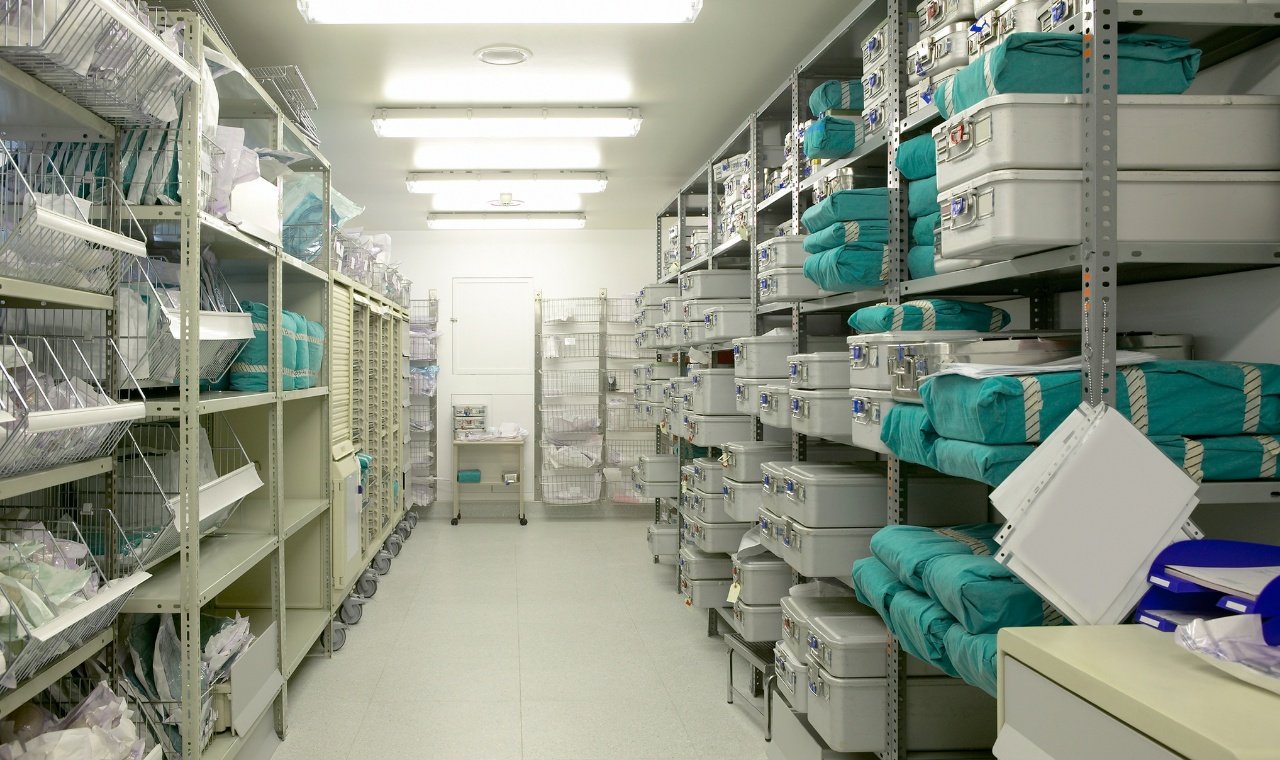
A hospital is only as effective as the tools it carries. From emergency rooms to general wards, the right medical instruments are the backbone of accurate diagnosis, safe surgery, and quality patient care. Whether you are setting up a new hospital, upgrading an existing facility, or managing procurement for a healthcare network, knowing which instruments are non-negotiable is essential.
This guide covers the top 10 medical instruments every hospital should stock to ensure smooth operations, clinical accuracy, and patient safety at every level of care.
1. Stethoscope
The stethoscope is the most iconic and universally used diagnostic instrument in any healthcare setting. Doctors and nurses use it to listen to heart sounds, lung activity, and bowel movements. Every department in a hospital needs stethoscopes, from cardiology to pediatrics. High-quality acoustic stethoscopes like those from the Littmann range offer superior sound clarity and are built for years of intensive use.

2. Sphygmomanometer (Blood Pressure Monitor)
Monitoring blood pressure is one of the most frequently performed clinical tasks in a hospital. A reliable sphygmomanometer, whether manual or digital is essential in every ward, ICU, OPD, and emergency unit. Accurate blood pressure readings are critical for diagnosing hypertension, monitoring surgical patients, and managing chronic conditions.
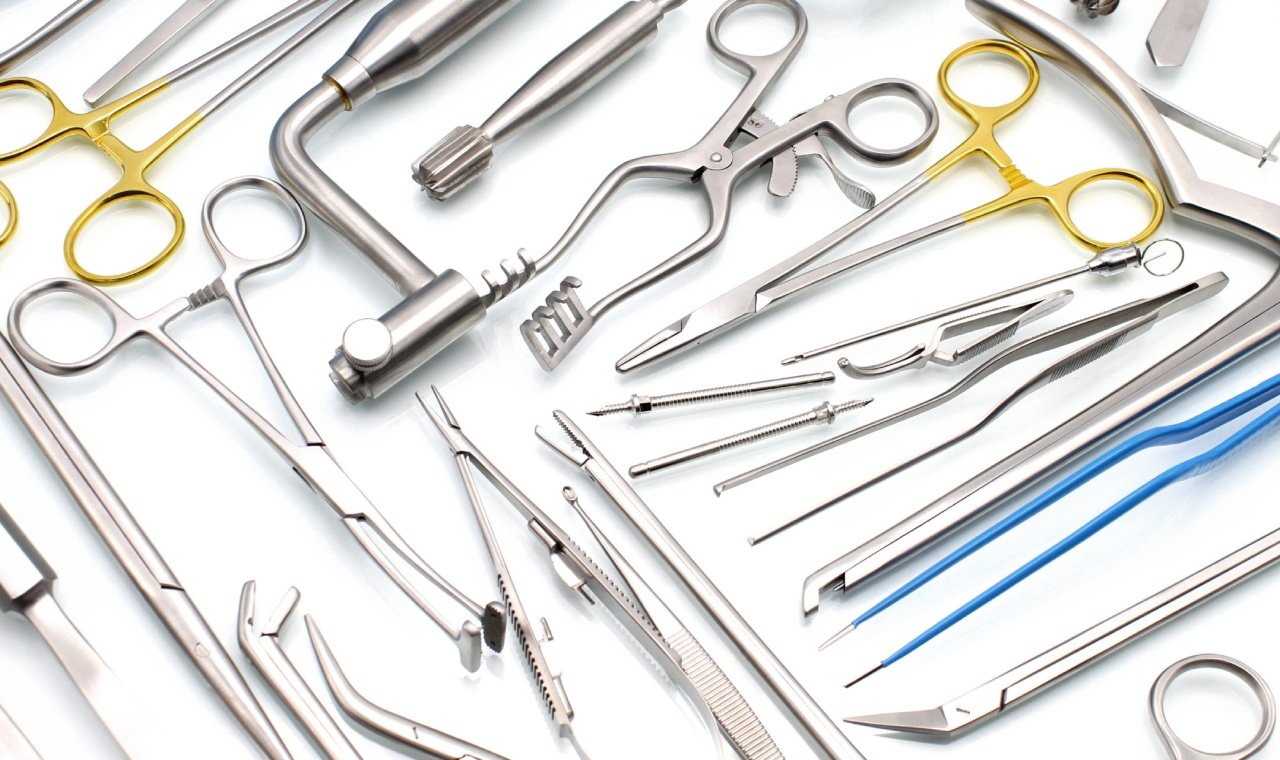
3. Surgical Scissors and Forceps
No surgical or clinical procedure is possible without a complete set of surgical scissors and forceps. These instruments are used for cutting tissue, clamping blood vessels, holding sutures, and performing delicate dissections. Hospitals must stock a variety of sizes and types, including Mayo scissors, Metzenbaum scissors, and Kelly forceps, all made from high-grade stainless steel.
4. Scalpel and Surgical Blades
The scalpel is a fundamental surgical instrument used for making precise incisions during operations and procedures. Hospitals require a consistent supply of both scalpel handles and disposable sterile blades in multiple sizes to meet the varying demands of general surgery, orthopedics, gynecology, and more.
5. Thermometer
Accurate body temperature measurement is one of the first steps in patient assessment. Hospitals should stock both digital thermometers for routine ward use and infrared thermometers for quick, contactless readings in high-traffic areas like emergency departments and outpatient clinics.

6. Pulse Oximeter
A pulse oximeter is a small but incredibly important device that measures blood oxygen saturation levels and pulse rate. It is indispensable in ICUs, post-operative care units, and respiratory wards. During and after the COVID-19 pandemic, pulse oximeters have become a standard monitoring tool across all hospital departments.
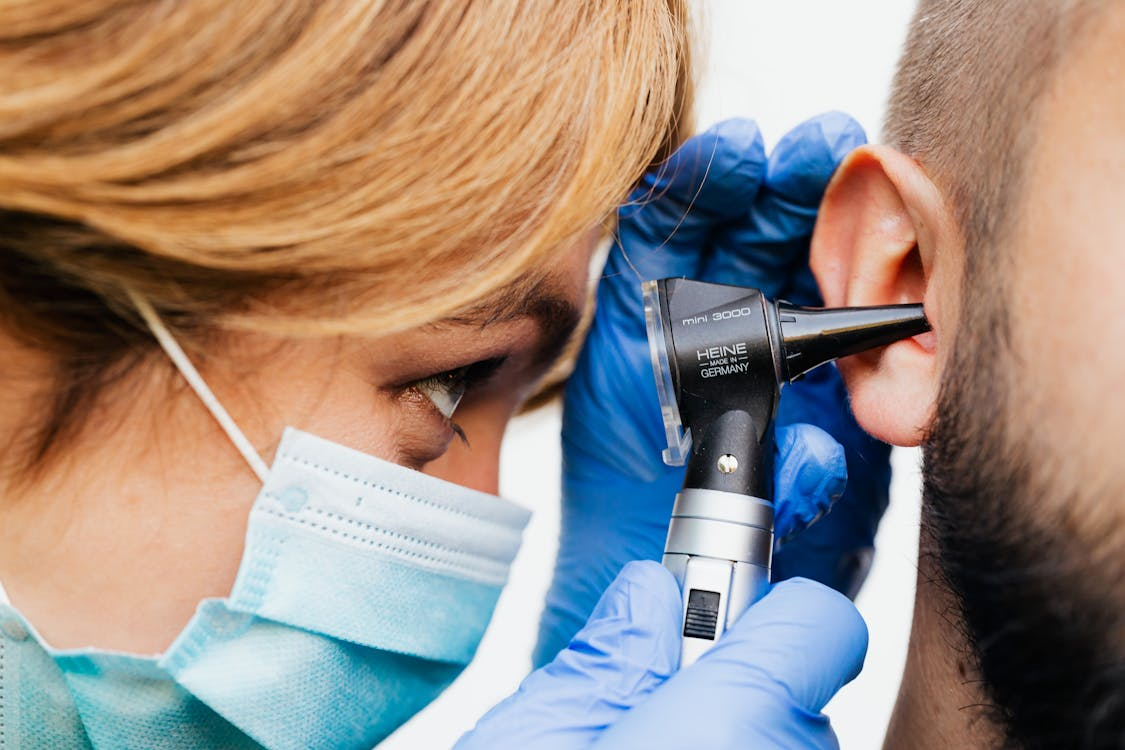
7. Otoscope and Ophthalmoscope
These two diagnostic instruments allow doctors to examine the ears, eyes, nose, and throat with precision. An otoscope is used to inspect the ear canal and eardrum, while an ophthalmoscope examines the interior of the eye. Both are essential in general practice, pediatric wards, and ENT departments.
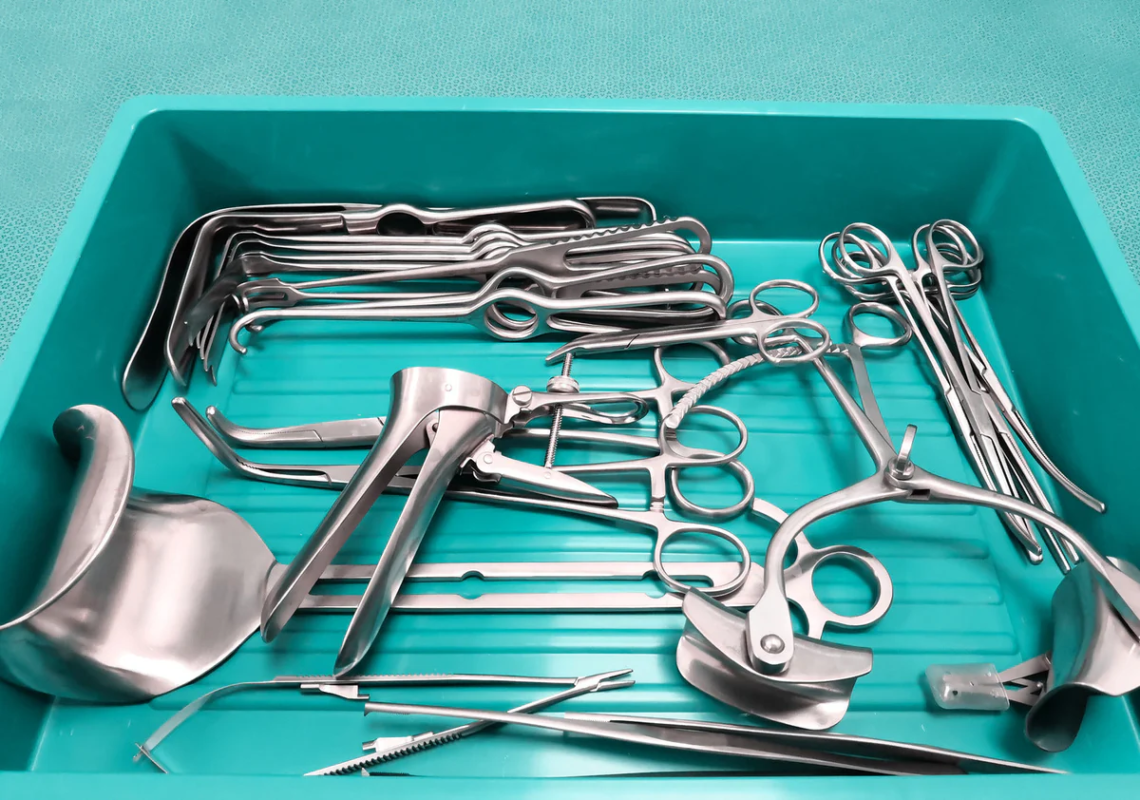
8. Retractors
Surgical retractors are used during operations to hold back tissue and organs, giving surgeons a clear view of and access to the surgical site. Hospitals performing any type of surgery must stock a range of retractors including handheld and self-retaining varieties to support procedures of different complexities.
9. Needle Holders and Suture Sets
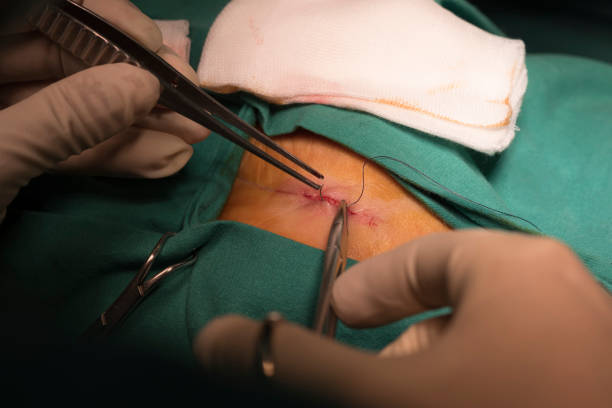
Wound closure is a fundamental part of both surgery and emergency care. Needle holders are used to grasp and drive suture needles through tissue with precision and control. A well-stocked hospital should maintain an adequate supply of needle holders in various sizes along with complete suture sets for different wound types and patient needs.
10. IV Cannulas and Infusion Sets
Intravenous access is required for almost every hospitalized patient; for delivering fluids, medications, blood transfusions, and anesthesia. IV cannulas in multiple sizes and infusion sets should be stocked in bulk across all wards, the ICU, and the emergency department at all times. Running out of these basic supplies is simply not an option in any functioning hospital.
Why Stocking the Right Instruments Matters
The quality of medical instruments directly affects patient outcomes. Substandard or poorly maintained equipment leads to misdiagnoses, surgical complications, and increased risk of infection. Hospital procurement teams must prioritize sourcing from certified, trusted suppliers who provide instruments that meet international quality and sterilization standards.
Stocking the right instruments also improves workflow efficiency. When clinical staff have immediate access to the tools they need, patient turnaround improves, staff confidence rises, and the overall standard of care is elevated.
✅ Stock Your Hospital with Pakistan’s Most Trusted Medical Instruments
Whether you are equipping a new hospital or restocking your existing facility, quality and reliability should never be compromised. Get all the essential surgical, diagnostic, and clinical instruments you need from one trusted source with fast nationwide delivery.
👉 NJMedicalInstruments: Your complete solution for certified hospital-grade medical instruments in Pakistan. Browse our full catalog, request bulk pricing, and place your order today.
Because every patient deserves care backed by the best tools available.