
Blog
Complete List of Diagnostic Instruments Needed to Open a Clinic

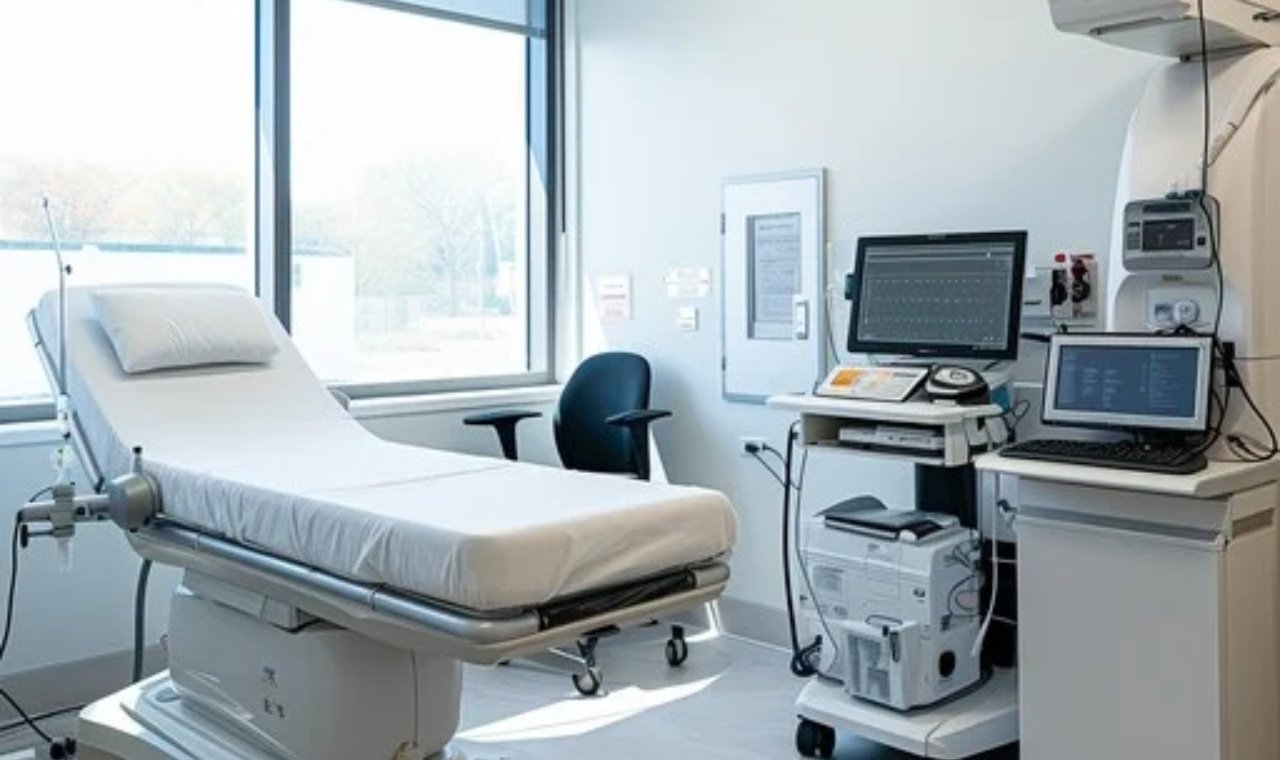
Opening a clinic is one of the most rewarding milestones in a medical professional’s career. However, the process involves far more than finding a location and hiring staff. Equipping your clinic with the right diagnostic instruments is the foundation upon which quality patient care is built. Without the proper tools, even the most skilled doctor cannot accurately diagnose, monitor, or treat patients effectively.
Whether you are setting up a general practice, a family medicine clinic, or a specialized outpatient facility in Pakistan, this complete guide will walk you through every essential diagnostic instrument you need from day one to deliver safe, accurate, and professional care.
Vital Signs Monitoring Equipment
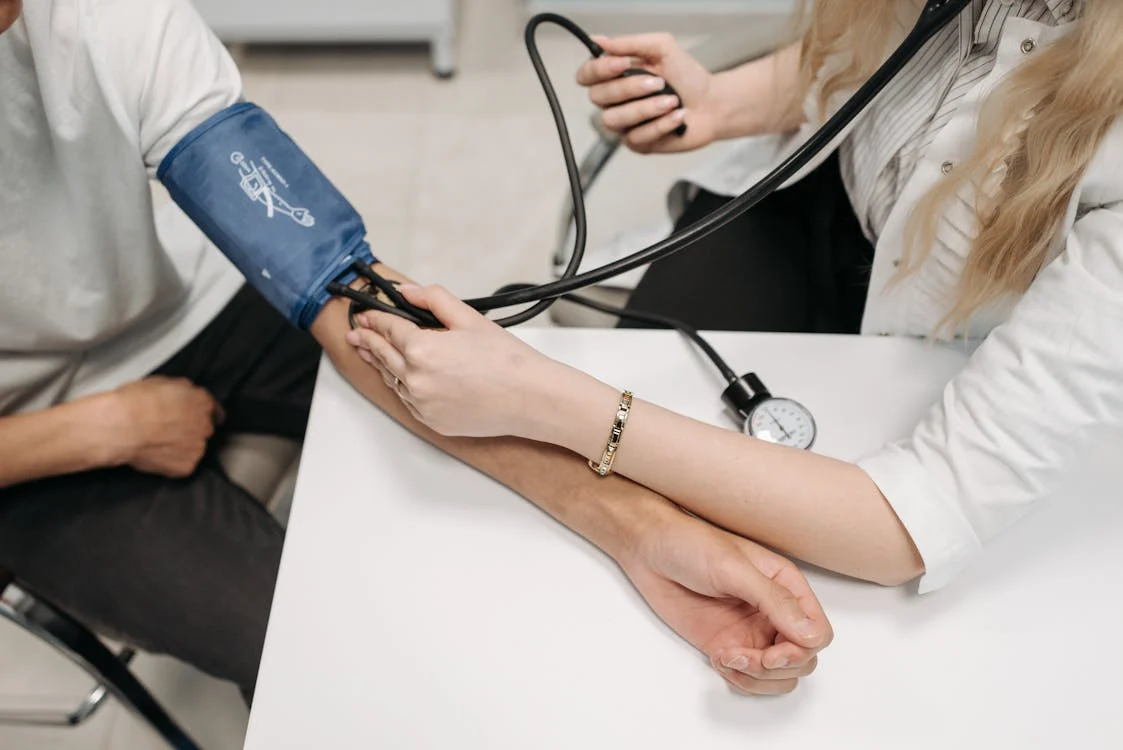
The ability to measure and monitor a patient’s vital signs is the starting point of every clinical examination. Your clinic must be equipped to assess all primary vital parameters without delay.
A reliable stethoscope is the single most important instrument in your clinic. It allows you to auscultate heart sounds, lung fields, and bowel activity, forming the basis of your physical examination. Invest in a quality acoustic stethoscope from a trusted brand to ensure accurate sound transmission across all patient types.
A sphygmomanometer for measuring blood pressure is equally non-negotiable. Both manual aneroid models and digital automatic monitors should ideally be available to cover different clinical scenarios and patient needs. A digital thermometer for accurate temperature measurement and a pulse oximeter to monitor blood oxygen saturation and heart rate complete your core vital signs toolkit.
Examination and Diagnostic Instruments
Beyond vital signs, a functioning clinic requires instruments that allow you to examine patients thoroughly across multiple body systems.
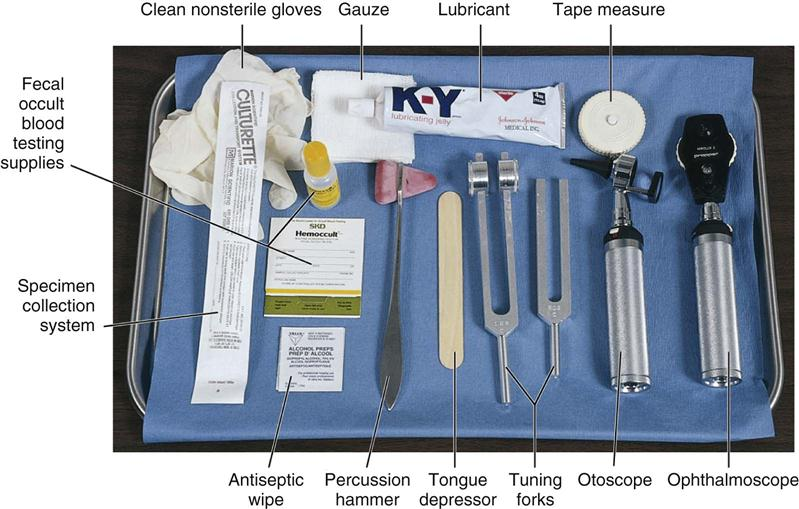
An otoscope is essential for examining the ear canal and eardrum, diagnosing infections, blockages, and abnormalities. An ophthalmoscope allows examination of the internal structures of the eye, including the retina and optic disc, and is critical for detecting early signs of systemic diseases such as diabetes and hypertension that manifest in the eye.
A nasal speculum enables examination of the nasal passages and is frequently used in general practice and ENT consultations. A tongue depressor set, though simple, is indispensable for oral and throat examinations. A reflex hammer is required for neurological assessments and testing deep tendon reflexes during routine and specialist consultations.
A penlight or diagnostic torch is a small but essential tool used for pupillary response testing, oral examinations, and general visual inspection during clinical assessments.
Gynecology and Women’s Health Instruments
If your clinic will see female patients, which virtually every general practice does, a set of gynecological diagnostic instruments is necessary. A vaginal speculum in multiple sizes is required for pelvic examinations and cervical assessments. A fetoscope or handheld Doppler is essential if your practice includes obstetric care or antenatal checkups, allowing you to monitor fetal heart sounds reliably.
Wound Assessment and Minor Procedure Instruments
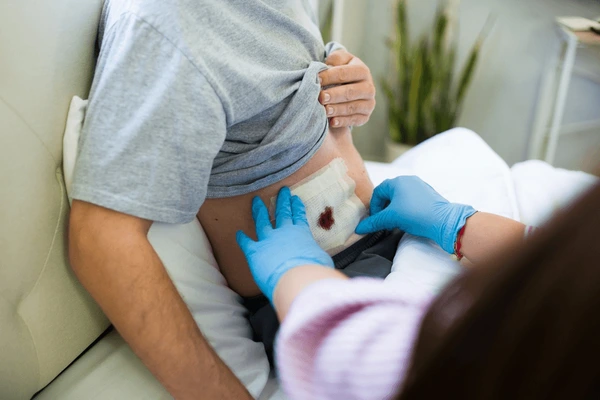
Even a general diagnostic clinic will occasionally need to assess and manage minor wounds or perform basic clinical procedures. A set of dressing forceps, sterile gauze, and wound probes allows you to examine and dress wounds safely. Sterile gloves in multiple sizes, disposable syringes, and IV cannulas should be stocked at all times for injections, blood draws, and intravenous access.
Measuring and Anthropometric Instruments
Accurate patient measurements are a routine part of clinical assessment, particularly for pediatric and general medicine consultations. A weighing scale for adult and pediatric patients is essential for dosage calculations and monitoring patient health trends. A height measurement scale or stadiometer allows you to calculate BMI and track growth in pediatric patients. A measuring tape is used for abdominal girth assessments, wound measurements, and obstetric evaluations.
Glucometer and Basic Diagnostic Testing
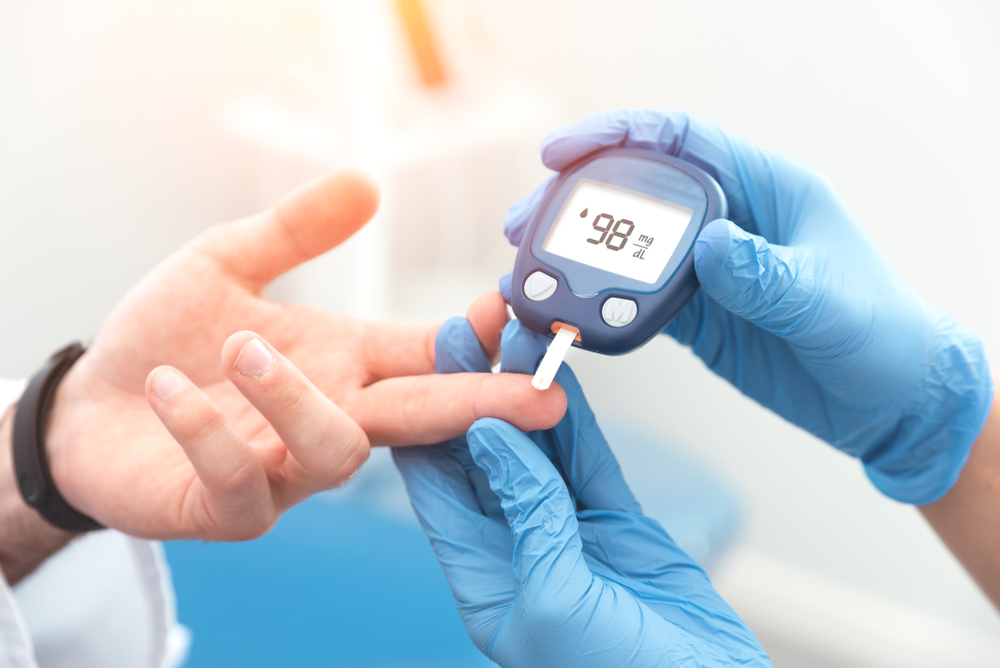
A glucometer with test strips is one of the most frequently used diagnostic tools in any general practice, given the high prevalence of diabetes in Pakistan. Rapid blood glucose monitoring is essential for diagnosing and managing diabetic patients at every visit. Additionally, urine dipstick test strips allow quick urinalysis at the point of care, helping detect infections, kidney disease, diabetes, and other conditions without laboratory delays.
Electrocardiogram Machine
If your budget allows, an ECG machine is a highly valuable addition to any clinic, not just cardiac practices. An ECG provides critical information about heart rhythm, detects arrhythmias, identifies signs of ischemia, and is often required before prescribing certain medications. Portable single-channel ECG machines are now available at accessible price points and significantly expand the diagnostic capability of a general practice clinic.
Complete Diagnostic Instruments Checklist for Your Clinic
To summarize, here is your essential clinic setup checklist. Every new clinic should stock a stethoscope, sphygmomanometer, digital thermometer, pulse oximeter, otoscope, ophthalmoscope, nasal speculum, tongue depressors, reflex hammer, penlight, vaginal speculum, dressing forceps, weighing scale, height measurement scale, glucometer with test strips, urine dipstick strips, and ideally a portable ECG machine. Supporting consumables including sterile gloves, syringes, IV cannulas, and wound dressings should also be maintained in adequate stock at all times.
Setting Up Right from the Start
The quality of your diagnostic instruments directly shapes the quality of care you deliver. Sourcing from a certified, reliable supplier ensures that every measurement is accurate, every examination is thorough, and every patient leaves your clinic having received the standard of care they deserve. Do not compromise on the tools that form the foundation of your medical practice.
✅ Get Everything You Need to Open Your Clinic from One Trusted Supplier
Stop searching multiple sources for your clinic setup. Find all the essential diagnostic instruments you need in one place, backed by certified quality and delivered anywhere across Pakistan.
👉 NJMedicalInstruments: Your complete clinic setup partner in Pakistan. Browse our full range of diagnostic instruments, request a bulk quote, and get your clinic equipped and ready to serve patients with confidence.
Open your clinic the right way. Start with instruments you can trust.