
Blog
Essential Surgical Instrument Maintenance Tips and Where to Buy Durable Tools

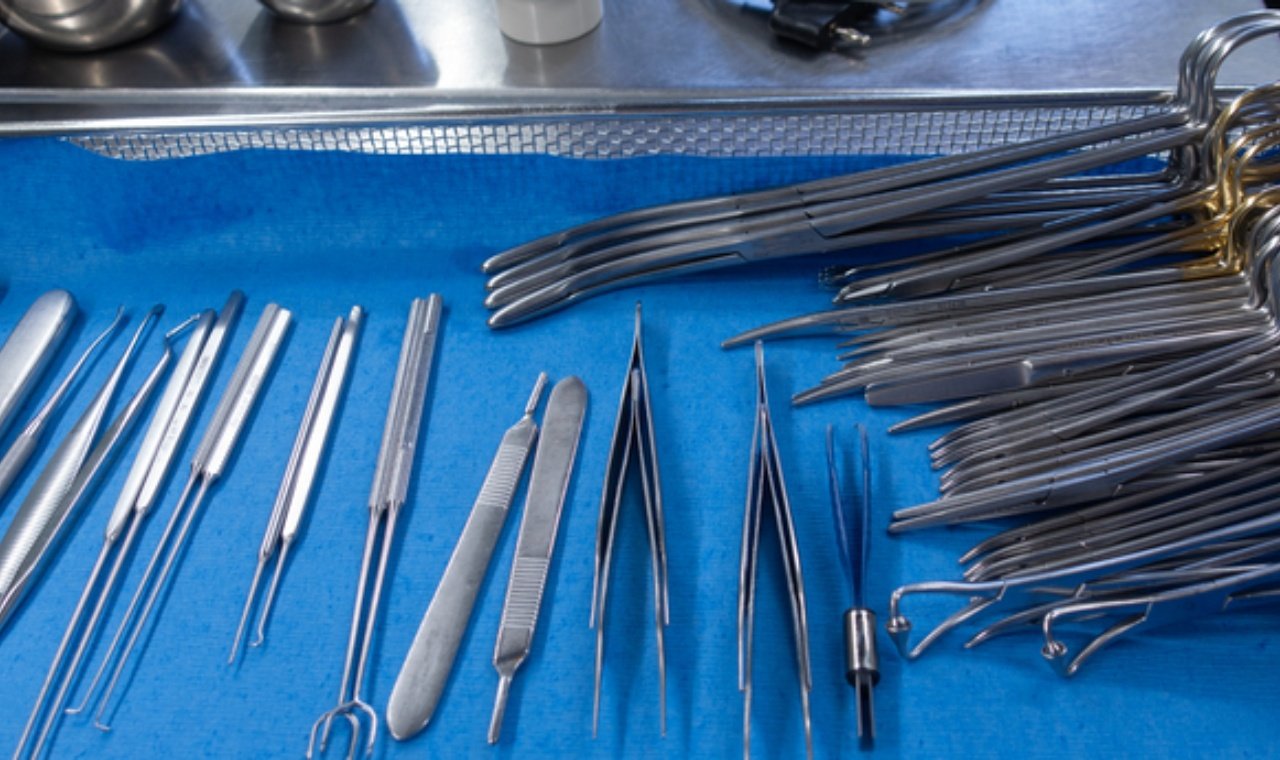
Proper maintenance of surgical instruments is critical for ensuring patient safety, operational efficiency, and long-term cost savings. Even the highest-quality instruments can fail if not cleaned, sterilized, and handled correctlyFor hospitals, clinics, and distributors, maintaining instruments is just as important as sourcing them from reliable suppliers. In this guide, we will cover essential maintenance tips and help you find durable surgical tools that deliver consistent performance.
1. Clean Instruments Immediately After Use

Cleaning should begin immediately after use to prevent blood and tissue from drying on the instruments.
Best practices:
- Rinse with lukewarm water
- Use enzymatic cleaning solutions
- Avoid harsh chemicals that damage metal
- Use soft brushes for detailed cleaning
Delaying cleaning can lead to corrosion, contamination, and reduced instrument lifespan.
2. Use Proper Sterilization Techniques

Sterilization ensures instruments are safe for reuse and free from microorganisms.
Common methods:
- Autoclaving (steam sterilization)
- Chemical sterilization
- Ultrasonic cleaning before sterilization
Always follow manufacturer guidelines to avoid heat or chemical damage.
3. Dry Instruments Thoroughly
Moisture is one of the leading causes of rust and corrosion. After cleaning and sterilization:
- Dry instruments completely
- Use lint-free cloths
- Ensure joints and hinges are moisture-free
Proper drying preserves the integrity and appearance of surgical tools.
4. Lubricate Hinged Instruments
Instruments with moving parts require regular lubrication to function smoothly.
Tips:
- Use medical-grade lubricants
- Apply after cleaning and before sterilization
- Avoid over-lubrication
This helps maintain smooth operation and prevents stiffness or wear.

5. Inspect Instruments Regularly
Routine inspection helps detect damage early. Check for:
- Loose joints
- Misalignment
- Dull cutting edges
- Cracks or corrosion
Damaged instruments should be repaired or replaced immediately to ensure safety.
6. Store Instruments Properly

Proper storage protects instruments from contamination and damage.
Best practices:
- Store in clean, dry environments
- Use protective trays or cases
- Avoid overcrowding
- Keep instruments organized by type
Good storage ensures easy access and long-term durability.
7. Train Staff on Proper Handling
Improper handling is a major cause of instrument damage. Training staff ensures:
- Safe usage techniques
- Proper cleaning and sterilization
- Reduced accidental damage
Well-trained staff contribute to longer instrument lifespan and better performance.
Where to Buy Durable Surgical Instruments
Even with the best maintenance practices, instrument quality plays a crucial role. Investing in durable tools ensures:
- Longer lifespan
- Better resistance to corrosion
- Consistent performance after repeated sterilization
NJ Medical Instruments is a trusted supplier offering high-quality surgical tools designed for durability, precision, and international standards. Their products are ideal for healthcare professionals who value reliability and long-term performance.
👉 Explore their full range here:
https://njmedicalinstruments.com/
Common Maintenance Mistakes to Avoid
- Delaying cleaning after use
- Using harsh or incorrect chemicals
- Skipping lubrication
- Improper drying and storage
- Ignoring routine inspections
Avoiding these mistakes helps prevent costly replacements and safety risks.
Conclusion
Maintaining surgical instruments is essential for ensuring safety, efficiency, and cost-effectiveness in any healthcare setting. By following proper cleaning, sterilization, inspection, and storage practices, you can significantly extend the life of your instruments.
Combining good maintenance with high-quality sourcing ensures optimal performance and long-term value.
🚀 Maintain Quality with Durable Surgical Instruments
Don’t let poor maintenance or low-quality tools affect your performance. Choose durable surgical instruments that are built to last and easy to maintain.
👉 Visit https://njmedicalinstruments.com/ today to explore premium-quality surgical tools and equip your facility with instruments you can rely on.