


Blog
Essential Tips for Sterilization of Medical Instruments

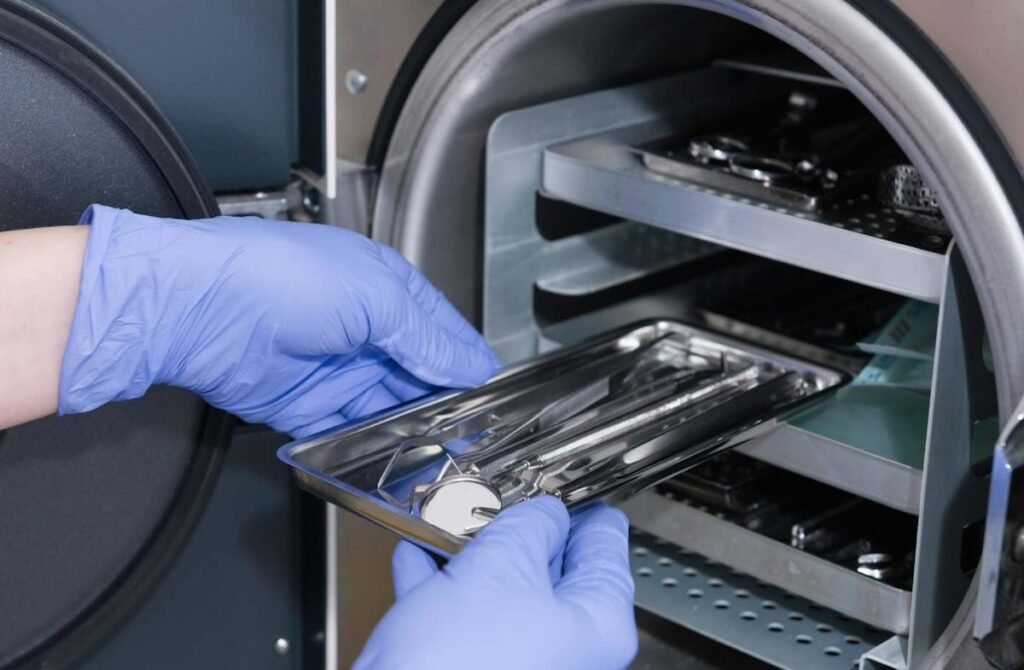
Sterilization is one of the most crucial practices in the healthcare industry. It ensures that all medical instruments are free from harmful microorganisms, which can otherwise cause infections and complications in patients. At NJ Medical Instruments, we emphasize not only manufacturing high-quality medical tools but also educating healthcare professionals on the best practices for maintaining them. Here are some essential tips for proper sterilization of medical instruments.
1. Pre-Cleaning is Mandatory
Before sterilization, instruments should be cleaned thoroughly to remove any organic material like blood, tissue, or fluids. This step is critical because leftover debris can interfere with sterilization, reducing its effectiveness. Use approved cleaning solutions and brushes for thorough cleaning.
2. Choose the Right Sterilization Method
Different instruments require different sterilization methods. Autoclaving (steam sterilization) is the most common and effective method for most surgical tools. However, some delicate instruments may require low-temperature sterilization methods such as gas (ethylene oxide) or hydrogen peroxide plasma. Always follow the manufacturer’s guidelines.
3. Proper Packaging
Instruments should be packaged properly before sterilization. Sterile wraps, pouches, or rigid containers are used to protect instruments from contamination after sterilization. Proper labeling is also important to ensure traceability and usage within recommended time frames.
4. Monitor Sterilization Cycles
Always monitor sterilization cycles using mechanical, chemical, and biological indicators. This helps confirm that the sterilization process was effective and instruments are safe to use. Skipping this step increases the risk of infection in patients.
5. Store Instruments Correctly
Once sterilized, instruments should be stored in clean, dry, and contamination-free areas. They must remain sealed until they are ready to be used. Exposure to unclean environments can compromise sterility.
6. Regular Staff Training
Healthcare staff must be trained regularly in sterilization techniques, storage procedures, and handling of sterile instruments. Mistakes in handling can easily undo the effectiveness of sterilization.
At NJ Medical Instruments, we provide instruments designed for long-lasting use, and when combined with proper sterilization practices, they ensure patient safety and reliable performance. By following these essential tips, healthcare professionals can significantly reduce infection risks and maintain the highest standards of patient care.